Stop Legal Harassment

Court access · Free expression · Accountability

Category: Legal Resources

  • How a Bill Becomes a Tennessee Law—and How to Follow Its Changes

    How a Bill Becomes a Tennessee Law—and How to Follow Its Changes

    How a Bill Becomes a Tennessee Law—and How to Follow Its Changes

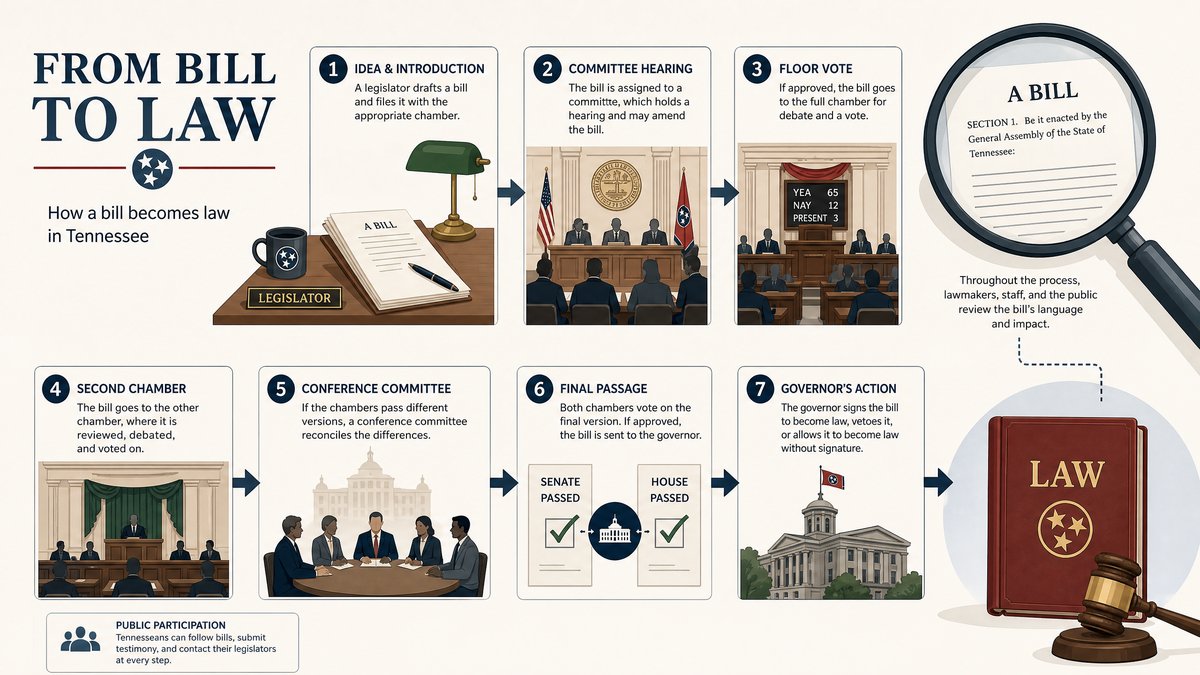
    Understanding the legislative process is crucial for any engaged citizen, especially when it comes to state-level governance. In Tennessee, the journey of a bill from an idea to a law is a multi-step process involving both chambers of the General Assembly and the Governor. This article will demystify this process and provide guidance on how to effectively track legislative changes.

    The Path of a Bill: From Introduction to Law

    The Tennessee General Assembly operates on a two-year legislative session, convening in January of odd-numbered years. The process begins with the introduction of a bill by a legislator in either the House of Representatives or the Senate. Often, identical bills, known as “companion bills,” are introduced in both chambers simultaneously to expedite the process.
    Empty hearing room with curved wooden bench and microphones; table holds a stack of folders, a closed notebook, two pencils and a glass.
    An empty hearing room with wooden benches, microphones and a table of folders and notes, setting the scene for discussion of the legislative process.

    First and Second Consideration

    Upon introduction, a bill is assigned a number by the Chief Clerk and undergoes its “first consideration.” This is typically a procedural step where the bill is read by title. On the next legislative day, it proceeds to “second consideration,” after which it is referred by the Speaker to an appropriate standing committee based on its subject matter. The Tennessee Constitution mandates that a bill must be considered and passed on three different days in each house before it can become law.

    Committee Review and Action

    Committees play a pivotal role in the legislative process. Here, bills are thoroughly discussed, debated, and often amended. The bill’s sponsor presents the legislation to the committee, and members can ask questions, voice support or opposition, and propose amendments. If a bill has a budgetary impact, it is also reviewed by the Finance Committee, and a “fiscal note” is assigned, detailing the estimated financial implications. Public input is often sought during committee hearings, allowing citizens and affected agencies to testify. A bill can either be recommended for passage, held for further discussion, or fail in committee.

    Person's hands at a wooden desk with three folders and sheets arranged side by side; right hand holds a pencil over the right page.
    Arrangement of three document versions on a desk suggests side-by-side comparison useful for tracking changes in legislative text.

    Third Consideration and Passage

    Bills that successfully navigate the committee stage are then placed on the chamber’s calendar for “third and final consideration.” This is where the full body debates the bill, and further amendments can be introduced. Once passed by one chamber, the bill is engrossed with its amendments and sent to the other chamber. If the second chamber passes a different version, the bill returns to the originating chamber for concurrence. If differences persist, a conference committee can reconcile them.

    Governor’s Action

    After a bill passes both chambers in identical form, it is enrolled and transmitted to the Governor. The Governor may sign it, allow it to become law without a signature, or veto it. The legislature may override a veto through the process set out in Tennessee law and the state constitution.

    Person seen from behind typing on a laptop at a wooden table in an empty courtroom, with a notebook, pen, and a thick book nearby.
    A person uses a laptop alongside a notebook and reference book in a courtroom setting, illustrating the mix of online and paper research for tracking bills.

    How to Follow Legislative Changes

    The Tennessee General Assembly website is the primary source for legislative calendars, committee schedules, and bill text. Its Bill Search feature allows users to locate legislation by keywords, bill number, sponsor, or session. Readers tracking a bill should identify its House Bill or Senate Bill number, check the current version, review its action history, and compare any amendments with the original text.

    The official website is the best source for a bill’s legal text and status. News reporting and nonpartisan explainers can offer context, but readers should link back to the official record when describing what a bill does or where it stands.

    Disclaimer

    This article provides general information about the Tennessee legislative process and is not legal advice. For advice about a specific legal question, consult a qualified attorney.

    Open lined notebook with pencil and four closed folders on a wooden table, marble columns and a staircase in the background.
    Stacked folders and an open notebook serve as a visual metaphor for organizing bill paperwork and tracking legislative records.

    Sources

    Related reading: Tennessee public legal documents to watch.
  • Anti-SLAPP Basics: What the Tennessee Public Participation Act Covers

    Anti-SLAPP Basics: What the Tennessee Public Participation Act Covers

    Anti-SLAPP Basics: What the Tennessee Public Participation Act Covers

    Introduction

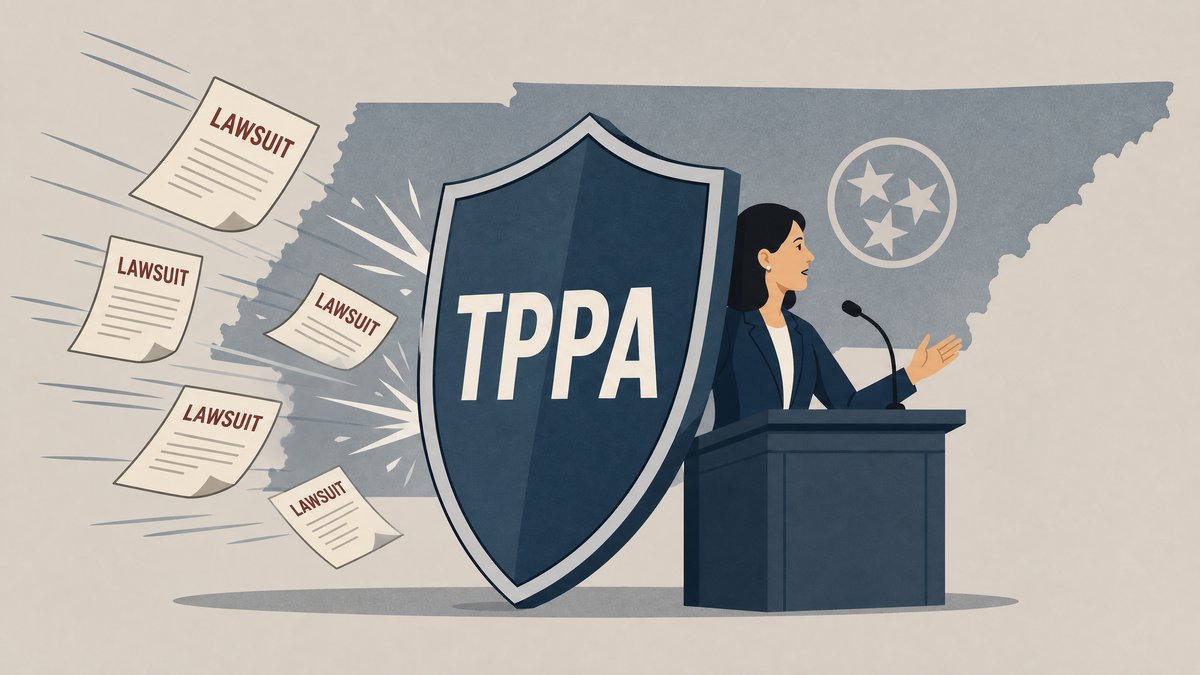
    Public disagreement can sometimes lead to litigation. Anti-SLAPP laws are designed to provide a process for courts to evaluate certain claims that arise from speech, petitioning, or association. Tennessee’s law is the Tennessee Public Participation Act, often called the TPPA. This general-information guide explains the statute’s purpose and structure without advising anyone about a particular dispute.

    What “Anti-SLAPP” Means

    SLAPP is shorthand for a “strategic lawsuit against public participation.” The label is commonly used to describe legal claims that may impose expense or pressure on people who speak, organize, or petition government about matters of public concern. Whether a particular lawsuit qualifies for relief under Tennessee law depends on its facts, claims, and procedural posture; it is not determined simply by the label used by either side.

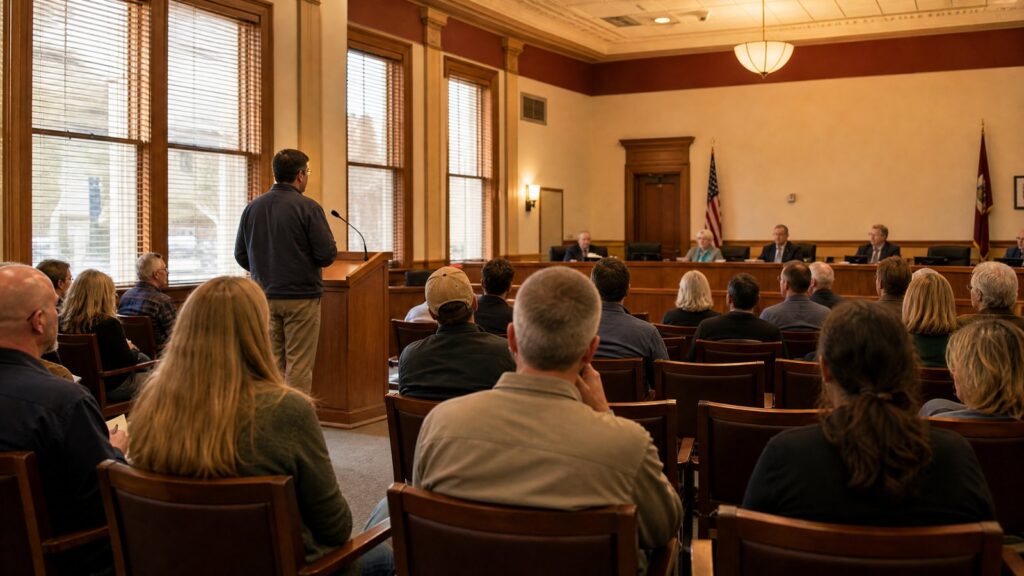
    Man stands at a wooden podium speaking into a microphone to seated audience members who face a raised dais with five people behind a long table
    A speaker addresses a panel during a public meeting, a context often discussed when explaining anti‑SLAPP and public participation protections.

    The Tennessee Public Participation Act

    The TPPA protects certain exercises of the rights of free speech, petition, and association. It applies to a legal action that is based on, relates to, or is in response to a party’s exercise of those rights. The statute defines “exercise of the right of free speech” as a communication made in connection with a matter of public concern or religious expression. It separately defines petition activity and association.

    Matters of public concern

    The statutory definition includes issues concerning health or safety, environmental, economic, or community well-being, government, public officials, public figures, and goods or services in the marketplace. Courts apply the statutory text to the record before them. A connection to public concern is important for the free-speech branch of the Act, but it does not turn every dispute involving a public issue into a winning TPPA motion.

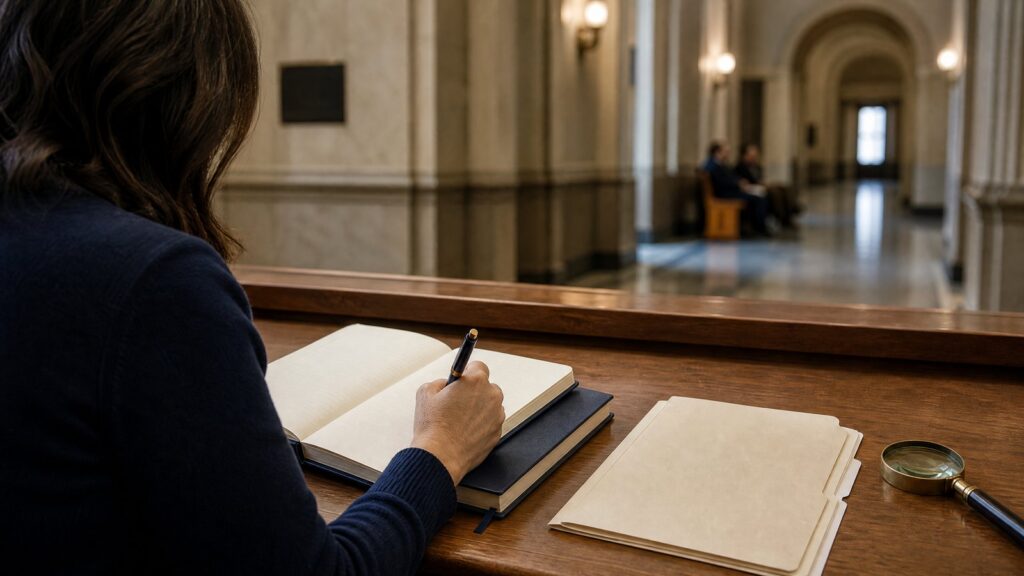
    Person from behind writing in an open notebook on a wooden counter, with folders, a magnifying glass and a blurred columned hallway beyond.
    Notes, folders and a magnifying glass on a wooden counter accompany someone writing, illustrating reviewing documents and preparing written remarks.

    The motion process

    A party seeking TPPA relief may file a motion to dismiss. The Act establishes a burden-shifting process. First, the movant must make a prima facie showing that the action is based on, relates to, or is in response to protected activity. The responding party may then avoid dismissal by establishing a prima facie case for each essential element of the claim. Even then, a motion may succeed if the movant establishes a valid defense as a matter of law.

    The TPPA also addresses timing, discovery, fees, sanctions, and appellate review. Discovery is generally stayed while a motion is pending, subject to the statute’s rules. Courts must apply the current statute and relevant precedent rather than rely on a generalized description of anti-SLAPP law.

    Hands of a person in a dark blazer turning a blank page and holding a pen over an open notebook, with a notebook and folder on a desk.
    Person turning pages and preparing to take notes, a neutral visual for the section on reviewing motions under Tennessee’s public participation law.

    What the TPPA Does Not Do

    The Act is not a blanket immunity from all accountability for speech or conduct. Defamation claims, contractual disputes, and other civil actions can involve complex questions about elements, privileges, evidence, and defenses. It is also not a substitute for careful reporting. Journalists and members of the public should verify documents, attribute allegations, seek comment when appropriate, and distinguish claims from proven facts.

    Why the Distinction Matters

    For public-interest reporting, the TPPA is significant because it recognizes the value of speech and petitioning while preserving procedures for courts to assess legally sufficient claims. A responsible account should state what the statute says, identify any judicial decision being discussed, and avoid implying that a party has engaged in “legal harassment” merely because a lawsuit exists.

    Disclaimer

    This article provides general information about the Tennessee Public Participation Act and is not legal advice. For advice on a specific matter, consult a qualified attorney.

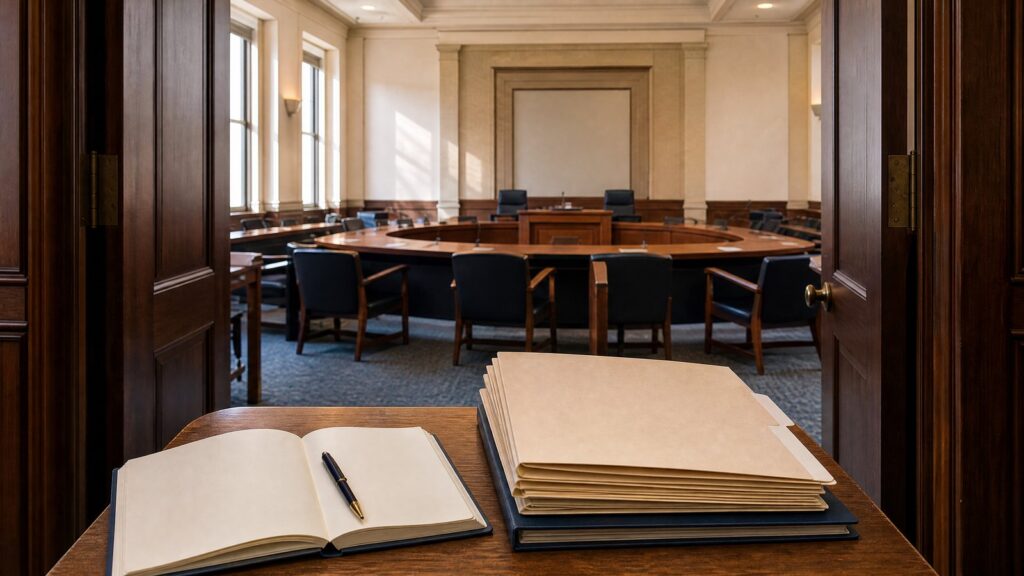
    Open double doors reveal a formal hearing room with semicircular wooden benches and empty chairs; foreground desk holds an open notebook, pen, and stacked manila folders.
    A stack of manila folders and an open notebook rest at the entrance to a formal hearing room, illustrating documentary and procedural aspects discussed nearby.

    Sources

    Related reading: TPPA abuse-of-process and SLAPP defense.

  • Reading a Tennessee Appellate Opinion: Holding, Dicta, and Procedural Posture

    Reading a Tennessee Appellate Opinion: Holding, Dicta, and Procedural Posture

    Understanding Tennessee Appellate Opinions: Holding, Dicta, and Procedural Posture

    Reading an appellate opinion is different from reading a news summary. The opinion identifies the questions the court was asked to decide, describes the procedural path that produced those questions, and explains the legal reasoning that supports the judgment. For Tennessee readers, three terms are especially important: holding, dicta, and procedural posture.

    Start with the procedural posture

    Procedural posture describes how a case reached the appellate court and what the court is reviewing. An opinion may begin by explaining that a trial court granted a motion to dismiss, entered summary judgment, denied a new trial, or issued another ruling. The Court of Appeals or Tennessee Supreme Court usually reviews that particular decision; it does not start the case over from the beginning.

    Right hand pointing at a cream tab on a stack of tabbed papers on a wooden desk beside a closed blue notebook, two pens and book spines.
    A hand selects a color-coded tab on a stack of documents, illustrating how readers navigate sections of an appellate opinion.

    Readers should identify whether the appeal follows a final judgment or a permitted interlocutory appeal. Tennessee Rule of Appellate Procedure 3 governs many appeals as of right from final judgments. Rules 9 and 10 address certain interlocutory or extraordinary appeals. The procedural posture helps explain the standard of review and the scope of the ruling.

    Find the holding

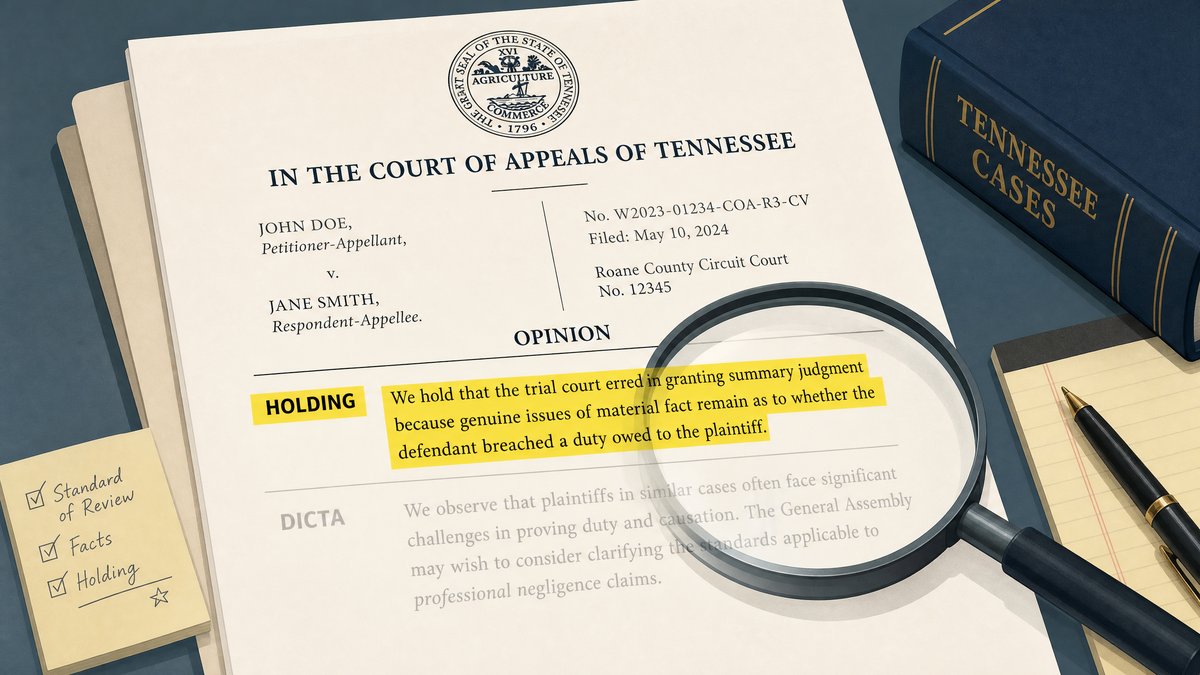
    The holding is the legal rule or conclusion necessary to decide the case. It is not merely the final sentence stating “affirmed” or “reversed.” A careful reader should look for language such as “we hold,” “we conclude,” or a direct answer to the issue presented. The holding must be understood alongside the material facts and the procedural question before the court.

    Hand holding a pencil annotating stapled printed pages on a wooden desk, with an open notebook, closed blue book, and a magnifying glass.
    A hand marks passages on printed pages while note-taking materials and a magnifying glass sit on the desk, illustrating careful close reading.

    For public-interest reporting, a holding should be described narrowly and accurately. If an opinion resolves whether a particular claim survived a motion to dismiss, it does not necessarily decide what would happen after a trial. A story should explain what the court actually decided and avoid implying that the opinion establishes a broader rule than its text supports.

    Recognize dicta

    Dicta are statements that are not essential to the judgment. Courts may discuss background principles, possible future questions, or alternative reasoning. Such passages can be useful and persuasive, but they do not have the same precedential force as the holding. The line can be difficult to draw, which is one reason careful journalists should link the original opinion and attribute interpretations to the court’s language rather than overstate them.

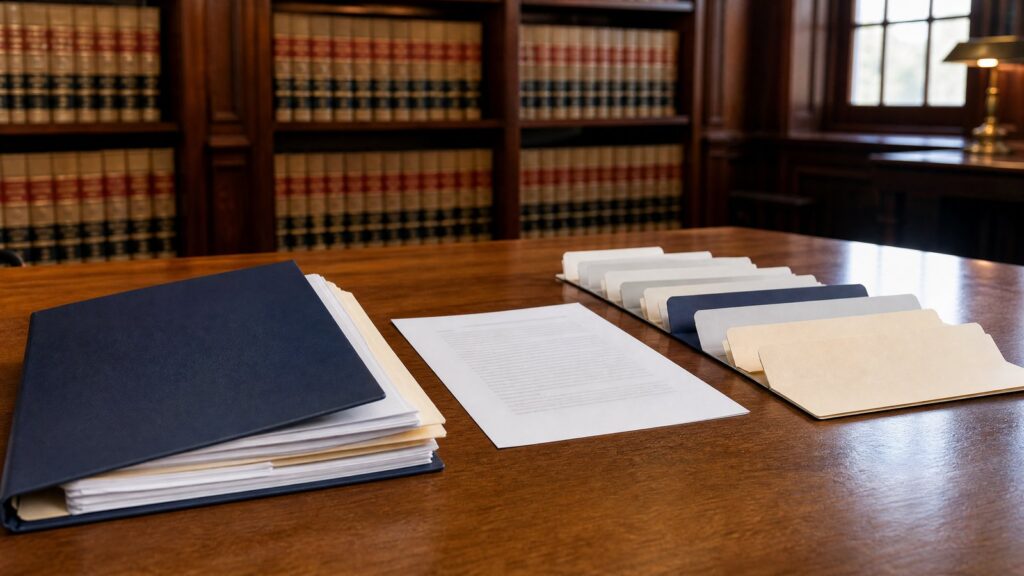
    Stacked blue binder with loose papers, a single printed sheet, and a row of beige and gray file folders on a wooden table in a book-lined study.
    Stacked binder, loose pages, and labeled folders illustrate arranging an appellate record and organizing opinion excerpts for review.

    Use the opinion’s structure

    Most opinions have a predictable structure: a caption, background facts, procedural history, issues, standard of review, analysis, and conclusion. Begin with the conclusion, then return to the issue presented and analysis. Check whether the opinion is published, whether there are concurrences or dissents, and whether later decisions have affected it. Tennessee Courts publishes opinions and appellate materials on its official website.

    Why this matters

    Legal reporting becomes more reliable when it separates the court’s factual recitation, the parties’ allegations, the procedural ruling, and the court’s legal analysis. This approach respects the difference between a lawsuit’s claims and an adjudicated fact, and it gives readers a usable path back to the underlying public document.

    Disclaimer

    This article provides general information about reading Tennessee appellate opinions and is not legal advice. For advice about a particular case, consult a qualified attorney.

    Two hands over an open book; right hand holds a magnifying glass, left holds a pencil, a stack of folders and bookshelves are visible.
    A reader uses a magnifying glass and pencil to examine printed text, illustrating close, detailed reading useful for parsing appellate opinions.

    Sources

    Related reading: how to read a Tennessee Supreme Court opinion.

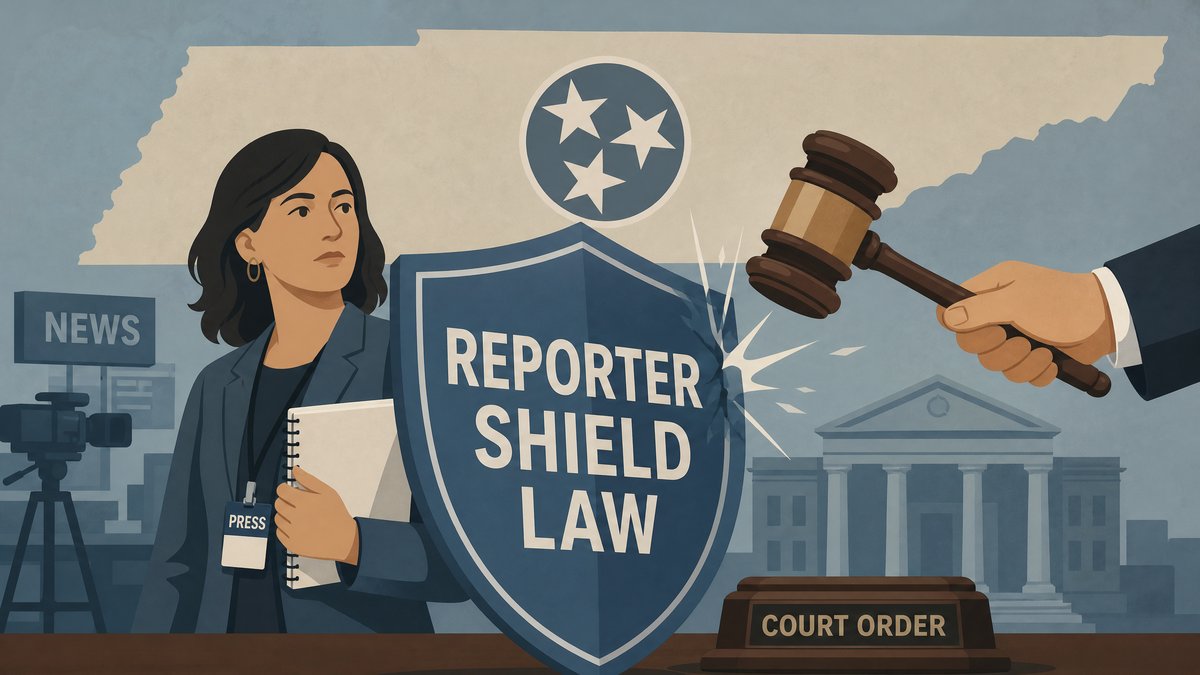
  • Tennessee’s Reporter Shield Law: What It Protects and Its Limits

    Tennessee’s Reporter Shield Law: What It Protects and Its Limits

    Tennessee’s Reporter Shield Law: What It Protects and Its Limits

    The ability of journalists to gather and disseminate information is crucial for a well-informed public. Tennessee Code Annotated § 24-1-208 contains a reporter-shield provision that protects certain newsgathering information and sources. The statute’s text matters because the protection is broad, but it is not absolute.

    What the statute protects

    Section 24-1-208 states that a person connected with or employed by the news media or press, or independently engaged in gathering information for publication or broadcast, generally may not be required by a court, grand jury, legislature, or administrative body to disclose information or its source obtained for publication or broadcast. The statute uses broad language, which can matter to both traditional news organizations and independent journalists. Whether a particular person or material falls within the statute depends on the circumstances and the statute’s requirements.

    Person seen from behind writing in a notebook at a wooden desk with a mug and lamp; a blurred silhouette gestures behind frosted glass.
    A person taking notes while a silhouetted figure speaks behind frosted glass evokes confidential conversations and the handling of sensitive notes.

    How the protection can be challenged

    The law also contains a procedure for a party seeking to overcome the protection. Under the statute, the party must make a strong showing, including that the information is clearly relevant to a specific probable violation of law, cannot reasonably be obtained through alternative means, and serves a compelling and overriding public interest. The statutory standard is demanding, and the precise application of the law may depend on the record before the court.

    The statutory procedure also makes timing important. A subpoena, discovery request, or court order can have short response deadlines. A reporter or editor should preserve the request, identify who has custody of the sought material, and obtain legal advice promptly rather than assume a general news-media label resolves the issue.

    Sunlit wooden desk in a courtroom setting with a closed black notebook, two pencils, a manila file folder and a magnifying glass.
    A notebook, file folder and magnifying glass on a sunlit courtroom desk, evoking questions about subpoenas and source protection.

    A defamation-related provision

    The statute includes a specific provision concerning the source of allegedly defamatory information when a defendant in a civil defamation action relies on the source as part of a defense. That provision illustrates why a newsroom should not treat any shield law as an automatic answer to every subpoena, discovery request, or lawsuit.

    Practical newsroom implications

    For a public-interest publication, the law supports careful source practices rather than casual promises. Editors should explain the limits of confidentiality before accepting sensitive information, preserve records securely, distinguish verified reporting from allegations, and seek legal review when a subpoena or discovery demand arrives. A shield-law question can involve deadline-sensitive procedure, so a specific dispute belongs with qualified counsel.

    Woman at a desk holding a pen over an open notebook, lamp and closed book nearby, silhouette behind a frosted divider and city lights outside.
    The staged interview scene evokes considerations about protecting confidential sources and the legal limits on source confidentiality discussed nearby.

    It is also wise to maintain a clear editorial record. Note what has been independently confirmed, which assertions come from documents or interviews, what information was offered on background or off the record, and whether a person was promised anonymity. These practices improve reporting even when no legal demand follows.

    Why the public should care

    Source protections can help reporters investigate matters that would otherwise remain hidden, but the public benefit depends on accurate reporting and responsible verification. The same reporting practices that reduce error—obtaining documents, seeking comment, identifying the basis for assertions, and correcting mistakes transparently—also make legal journalism more credible.

    Disclaimer

    This article provides general information about Tennessee’s reporter-shield law and is not legal advice. For advice about a particular subpoena, source, or dispute, consult a qualified attorney.

    Open notebooks, a closed journal, paper folders, pens, a magnifying glass and a landline phone on a wooden desk by a window.
    A desk with notebooks, folders, a magnifying glass and a telephone evokes themes of information handling, recordkeeping and legal limits.

    Sources

    Related reading: source protection and transparent legal journalism.

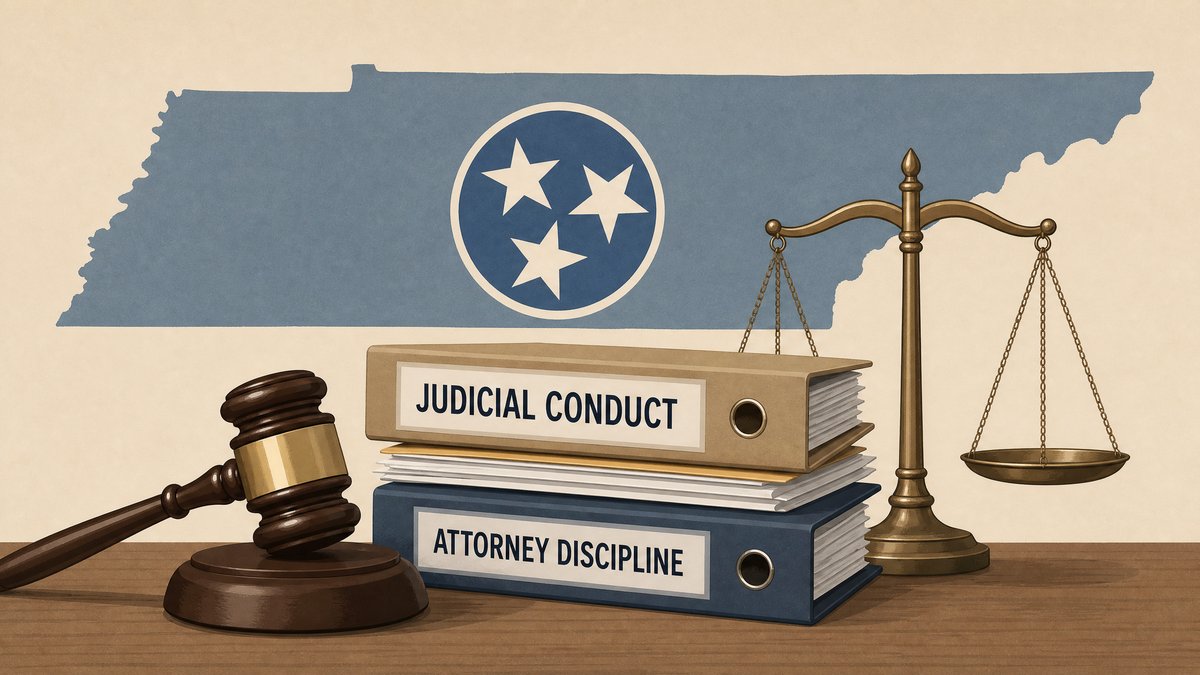
  • Where to Find Tennessee Judicial Conduct and Attorney-Discipline Information

    Where to Find Tennessee Judicial Conduct and Attorney-Discipline Information

    Understanding Judicial and Attorney Accountability in Tennessee

    Maintaining public trust in the legal system is paramount, and a key component of this trust is the accountability of those who serve within it. In Tennessee, mechanisms are in place to address concerns regarding the conduct of both judges and attorneys. This article provides an overview of where the public can find information about judicial conduct and attorney discipline, outlining the roles of the Tennessee Board of Judicial Conduct and the Tennessee Board of Professional Responsibility.

    The Tennessee Board of Judicial Conduct: Upholding Judicial Integrity

    The Tennessee Board of Judicial Conduct (BJC) is an independent body established by the state legislature to ensure the integrity of the judiciary. Its primary role is to investigate and address allegations of misconduct against judges across various courts, including appellate, trial, general sessions, probate, juvenile, and municipal courts, as well as judicial candidates. The BJC’s jurisdiction extends to matters concerning a judge’s physical, mental, and moral fitness, their performance of duties, and any actions that might unfavorably reflect upon the judiciary or adversely affect the administration of justice.

    Seated person with long brown hair typing on a laptop at a wooden table in a courtroom-style room with a book, folder, and notepad nearby
    Seated person using a laptop beside a law book and notepad, illustrating consulting online resources about official conduct and attorney discipline.

    Judicial misconduct is defined as conduct that violates the Code of Judicial Conduct, which is Tennessee Supreme Court Rule 10. This code sets standards for how judges should conduct themselves both inside and outside the courtroom. When a complaint is filed, it must be in writing, signed by the complainant, and allege specific facts related to the alleged misconduct. The BJC’s legal staff reviews complaints, and if sufficient grounds exist, an investigation may be initiated. It is crucial to understand that matters before the BJC are confidential unless formal charges are filed against a judge. Only when formal charges are filed does the matter become public.

    If the BJC finds that charges of misconduct are established by clear and convincing evidence, it can impose various disciplinary actions. These range from private or public reprimands to recommending that the Tennessee General Assembly remove a judge from office. It is important to note that the BJC is not an appellate court; it cannot review, revise, or correct a judge’s rulings, nor can it provide legal advice. Its focus is solely on judicial conduct.

    Wooden table in a library with manila folders in black holders, an open notebook and pens, a monitor showing folder icons, and bookshelves.
    Stacked manila folders, notebooks, and a computer monitor illustrate archival organization and search tools for locating public disciplinary records.

    The Tennessee Board of Professional Responsibility: Ensuring Attorney Ethics

    For concerns related to the ethical conduct of attorneys, the Tennessee Board of Professional Responsibility (BPR) is the relevant authority. The BPR’s mission is to protect the public from harm caused by unethical lawyers by administering the disciplinary process. It supervises the ethical conduct of attorneys and investigates alleged violations of the Rules of Professional Conduct, which govern the legal profession in Tennessee.

    Members of the public, including clients, judges, or anyone who believes an attorney has acted unethically, can file a complaint with the BPR. Similar to judicial complaints, these must detail specific allegations of misconduct. The BPR offers both a formal complaint process for serious ethical violations and an informal Consumer Assistance Program (CAP) for less severe concerns. The BPR’s website provides information on recent disciplinary and licensure actions, offering transparency into its proceedings. These public records typically include details of the attorney, the nature of the misconduct, and the disciplinary action taken, such as censure, suspension, or disbarment.

    Person seated at a library table typing on a laptop and writing on a checklist pad, with folders, index cards and a magnifying glass.
    A person at a library table uses a laptop, checklist, folders and a magnifying glass, illustrating research steps for locating disciplinary information.

    The BPR, like the BJC, does not provide legal advice. Its role is to investigate and adjudicate matters of attorney ethics, ensuring that legal professionals adhere to the standards set forth by the Tennessee Supreme Court. The disciplinary actions taken by the BPR are intended to protect the public and maintain the integrity of the legal profession.

    Distinguishing Allegations from Verified Facts

    When seeking information about judicial or attorney conduct, it is vital to distinguish between allegations and verified facts. A complaint filed with either the BJC or the BPR is an allegation. These allegations undergo a rigorous investigation process. For judicial conduct, matters remain confidential unless formal charges are filed. For attorney discipline, while the filing of a complaint initiates a process, public disciplinary actions are only reported after a finding of misconduct has been made and approved by the Board or the Tennessee Supreme Court. Therefore, information found regarding ongoing investigations or initial complaints should be understood as unverified allegations until a formal finding or disciplinary action is publicly announced.

    Disclaimer

    This article provides general information about where to find judicial conduct and attorney discipline information in Tennessee and is not intended as legal advice. For specific legal questions or assistance, please consult with a qualified attorney.

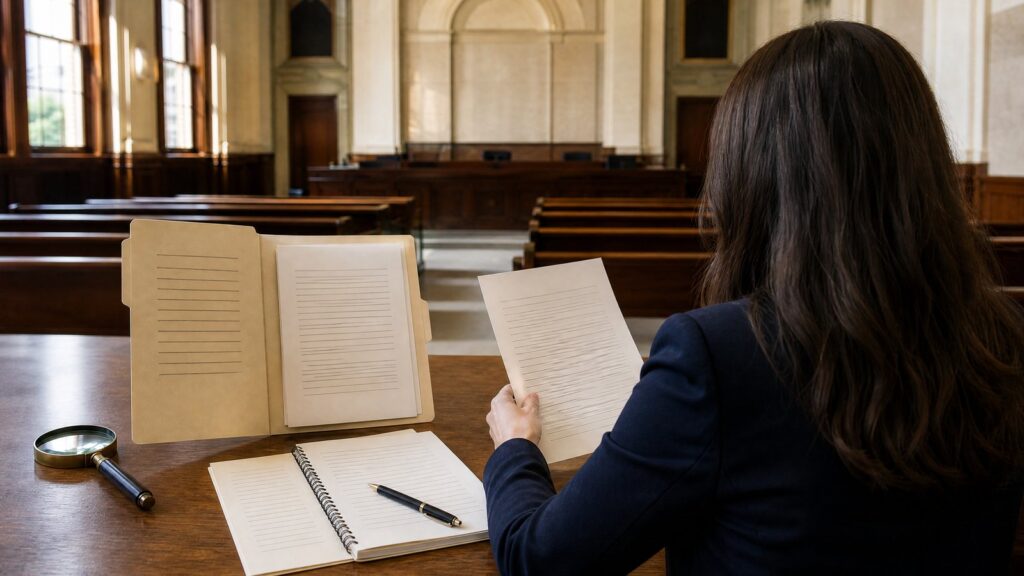
    Person with long dark hair seen from behind at a courtroom table, holding a paper; a folder, notebook, pen and magnifier rest on the desk.
    A person reviews papers and notes at a courtroom table, illustrating the final step of carefully checking documents and records described in the article.

    Sources

    Related reading: court self-help and legal-information resources.

  • Sealed Records, Protective Orders, and Why an Open Case Is Not Always an Open File

    Sealed Records, Protective Orders, and Why an Open Case Is Not Always an Open File

    Sealed Records, Protective Orders, and Why an Open Case Is Not Always an Open File

    Open courts support transparency and public accountability. Court proceedings and many court records are generally accessible to the public, but that principle is not absolute. Sealed records and protective orders can limit disclosure of particular information. Understanding the distinction matters for readers, litigants, and journalists who want to report accurately from the public record.

    The Presumption of Openness in Tennessee Courts

    Tennessee Supreme Court Rule 34 establishes a strong presumption that court records are public. The rule gives the public a right to inspect records maintained by courts unless another statute, court rule, or court order provides otherwise. This default promotes public oversight of the justice system, but it does not make every document in every case broadly available for redistribution.

    A manila folder lying on a polished wooden service counter beside a dark plastic document tray under a frosted glass partition.
    A service counter with a folder and document tray evokes the physical exchange of documents at a public service window.

    Rule 34 also recognizes limitations. A record may be protected from disclosure by law, rule, or court order. Those limits are an important part of a responsible review of any docket or filing.

    Sealed Records: When Privacy Outweighs Public Scrutiny

    A sealed record is a document or case material that a court has ordered to be kept confidential. Tennessee appellate Rule 15 addresses filing documents under seal and recognizes that trial-court sealing can carry into the appellate court unless the appellate court orders otherwise. Sealing requires an individualized court determination; it is not created merely because parties agree that material is confidential.

    Courts may consider interests such as the protection of trade secrets, highly sensitive personal information, information about minors, safety concerns, and the integrity of an ongoing investigation. The central question is whether a sufficiently important interest outweighs public access and whether a less restrictive alternative can protect that interest.

    Blank lined notebook with ribbon bookmark, pen, a manila folder holding a heavily redacted sheet, and a magnifying glass on a wooden desk.
    A partially redacted document sits in a folder beside a notebook and magnifying glass, illustrating issues of document privacy and access.

    Protective Orders: Safeguarding Information During Litigation

    Protective orders serve a different function. They are commonly used during discovery to govern how parties handle sensitive information exchanged in litigation. Tennessee’s civil rules, like federal practice, allow courts to address information that could create annoyance, embarrassment, oppression, or undue burden if disclosed without safeguards.

    A protective order can specify who may see confidential material, how it may be used, and how it must be returned or destroyed. It does not necessarily seal an entire case file. That distinction is essential: a document marked confidential in discovery and a document sealed from public court access are related but not identical concepts.

    Table with an open manila folder, two pencils, a clear vertical divider, a closed folder and a black notebook, with a chair and cabinets behind.
    An arranged reading table with folders and a clear divider visually represents how access to files can be structured even when a case is publicly open.

    Allegations Versus Verified Facts

    In legal journalism, a court filing may contain claims and accusations that have not been proved. Responsible reporting uses precise attribution: “the complaint alleges,” “the response denies,” or “the court found.” That language helps readers distinguish a party’s position from a judicial finding, especially where the underlying documents involve sensitive personal information or reputational harm.

    A Practical Review Before Sharing

    Before sharing a document, check the docket for sealing or access orders; retain any existing redactions; determine whether a protective order or other limitation applies; identify the document’s procedural context; and consider whether a narrow quotation or accurate summary would serve the public interest with less risk. If a filing appears sealed, restricted, or unusually sensitive, seek qualified legal and editorial review rather than treating public-interest reporting as a reason to disregard a court order.

    Disclaimer

    This article provides general information about legal topics and is not legal advice. For advice on a specific dispute, filing, or court order, consult a qualified attorney.

    Person holding a stack of printed pages with heavy black redactions, folder, blue notebook and pen on a wooden table, shelves behind.
    A reader examines heavily redacted pages beside a folder and notebook, illustrating how sealed or redacted records can limit access even in public cases.

    Sources

    Related reading: questions to ask before sharing court filings online.

  • Open Courtrooms, Closed Proceedings, and the Difference Between Attendance and Recording

    Open Courtrooms, Closed Proceedings, and the Difference Between Attendance and Recording

    Open Courtrooms, Closed Proceedings, and the Difference Between Attendance and Recording

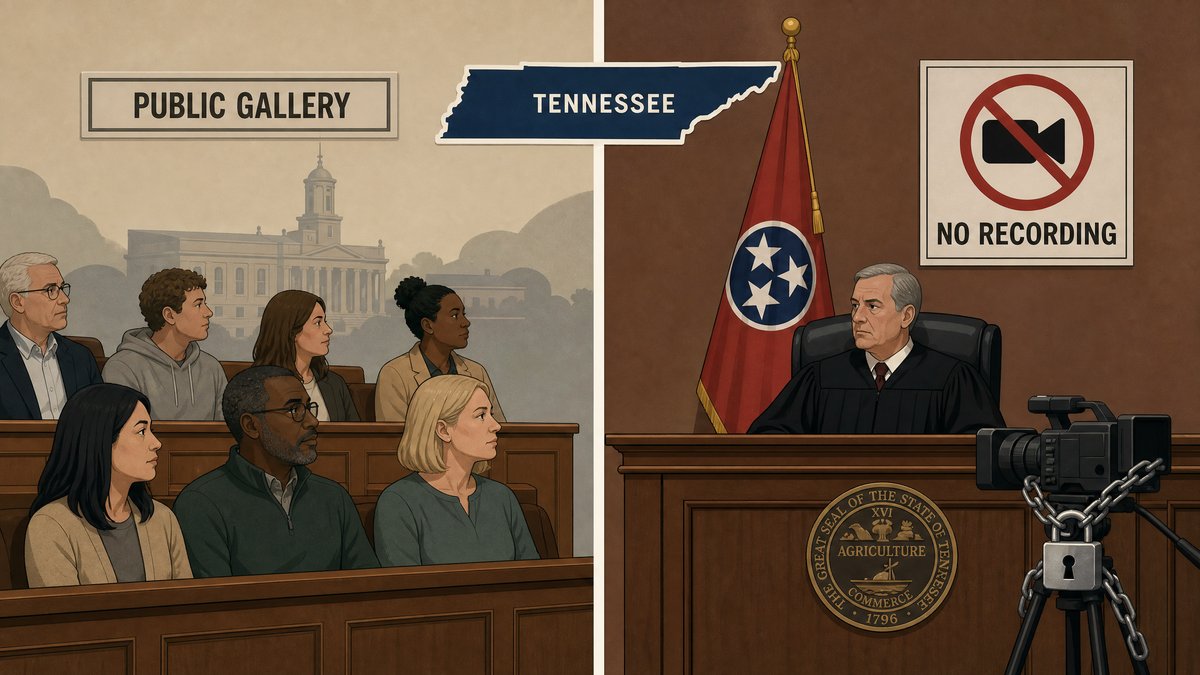
    Public access to court proceedings is an important part of judicial accountability. Yet “open court” does not mean that every proceeding is open in every circumstance, or that any person may record inside a courtroom. For readers, reporters, and people following a case, the key is to distinguish the right to attend from the separate rules governing cameras, microphones, and other recording equipment.

    The Presumption of Public Access

    Tennessee’s Constitution states that courts shall be open, and Tennessee courts ordinarily conduct hearings in public. Public attendance can help people understand the justice system and allows scrutiny of how court business is conducted. The public character of a hearing, however, does not make spectators parties to the case. Judges may enforce decorum, restrict disruptive conduct, and regulate seating or access for safety and case-management reasons.

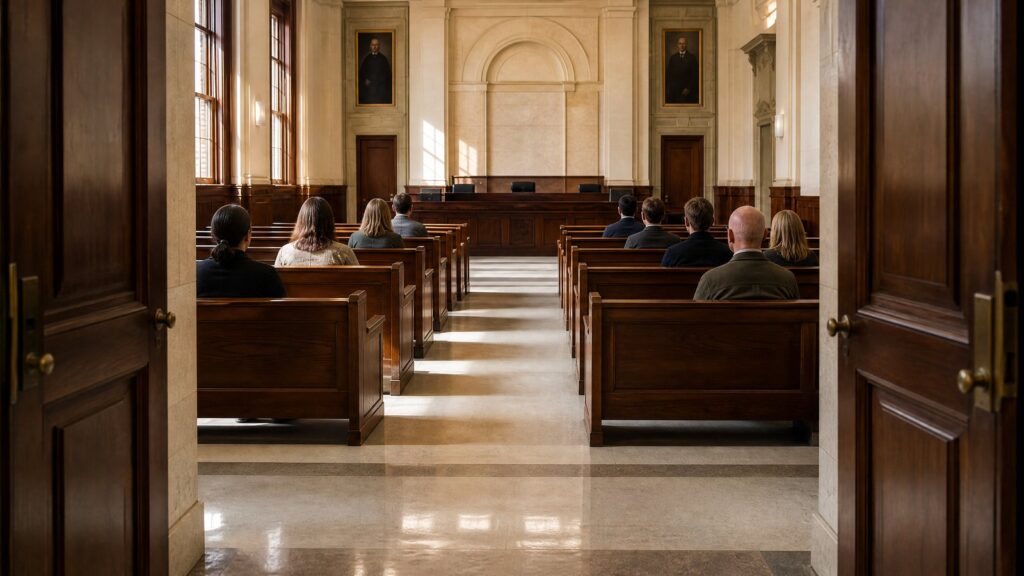
    Open double doors frame a courtroom interior with rows of wooden public benches and nine people seated facing the bench at the front.
    Open doors and a sparsely filled public gallery illustrate the difference between attending proceedings in person and rules on recording or coverage.

    Court records and court proceedings can also be subject to limits. A court may seal a record or close a portion of a proceeding when a legally sufficient reason supports a narrowly tailored restriction. The legal standards and procedures depend on the court, case type, and information at issue. Common concerns include minors’ privacy, confidential information, safety, or the protection of a fair proceeding. A closure or sealing order should be read closely: it may apply only to a particular document, witness, or portion of a hearing rather than to the entire case.

    A smartphone and a handheld digital audio recorder rest on a polished wooden bench with an open door revealing empty courtroom pews.
    A smartphone and portable recorder on a wooden bench visually connect the article’s points about courtroom attendance versus recording.

    Attendance Is Not the Same as Recording

    Supreme Court Rule 30 governs media coverage in Tennessee courtrooms. The rule addresses how representatives of the news media may use cameras, audio equipment, and related technology. The rule contains a request process and permits judges to manage coverage in light of the proceeding and the people involved. It includes restrictions designed to protect jurors and to minimize disruption. A person who can enter a courtroom therefore should not assume that recording, livestreaming, photographing, or broadcasting is also permitted.

    For journalists, Rule 30 is a practical starting point: make a timely request, identify the coverage sought, comply with courtroom instructions, and be prepared for limits that may be appropriate in the case. The Tennessee Administrative Office of the Courts publishes media-coverage guidance that should be checked alongside the text of Rule 30 and any order issued by the presiding judge.

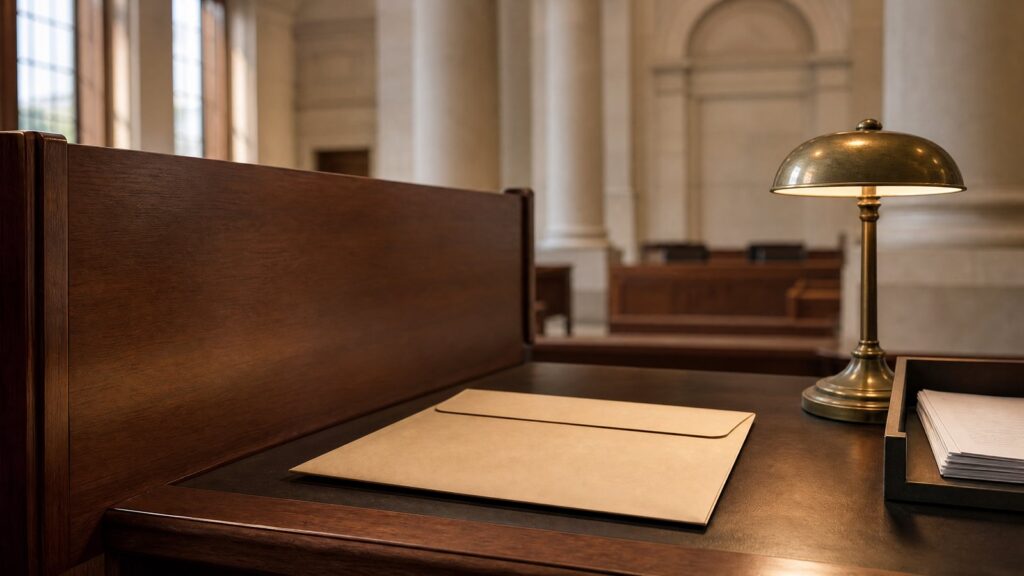
    Wooden courtroom desk with a closed manila envelope, brass library-style lamp, a stack of papers in a tray, and blurred court benches and columns.
    A closed envelope and lamp on a courtroom desk visually underscore differences between presence in courtrooms and access to confidential files.

    How to Report a Closed or Restricted Proceeding

    Accuracy matters especially when access is restricted. A responsible report should identify the source of the restriction—such as a written order, a judge’s oral ruling, or a court rule—and explain its scope without speculation. “The public was excluded from a portion of the hearing under the court’s order” is more precise than claiming that the court acted secretly. When possible, link to the public order or docket entry, note any stated reason, and distinguish verified court action from a party’s allegation about access.

    A Practical Checklist

    • Confirm the courtroom, date, and hearing type before attending.
    • Review local courtroom rules and any orders in the case.
    • Do not bring or operate recording equipment without understanding the applicable rule or permission.
    • When access is limited, obtain the order or docket entry that explains the limitation.
    • Attribute statements about access to the court record, the judge, or a named official source.

    Disclaimer

    This article is general information about court access and media coverage. It is not legal advice and does not determine whether access or recording will be permitted in a particular proceeding.

    Woman with hair in a bun writing in a notebook while seated on wooden benches facing the front of a courtroom with other attendees.
    An observer takes notes from a courtroom bench, accompanying discussion about how being present in court differs from recording or transcribing proceedings.

    Sources

    Related reading: Tennessee Rule 30 media-access guidelines.

  • How to Read a Judicial Order Without Overstating What It Decides

    How to Read a Judicial Order Without Overstating What It Decides

    How to Read a Judicial Order Without Overstating What It Decides

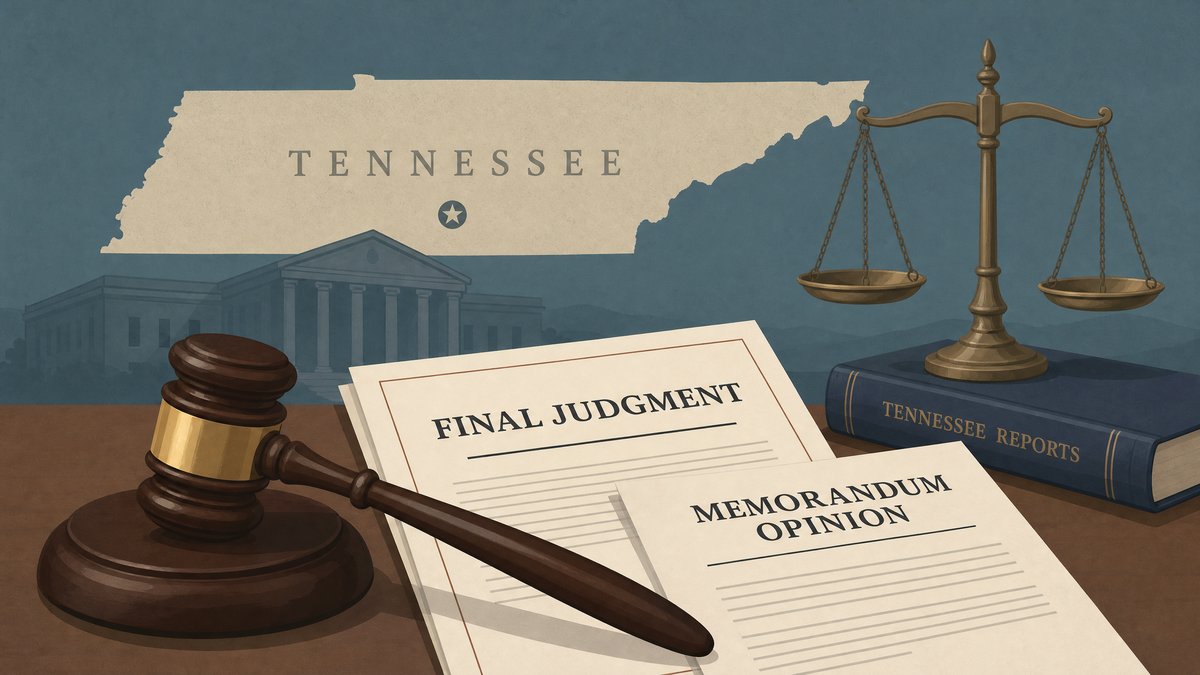
    A court order is an official act of the court, but its meaning depends on its wording, procedural posture, and scope. A careful reader does more than scan the result line. The goal is to identify what motion was decided, what standard the court applied, which issues remain unresolved, and whether the order makes factual findings or only addresses procedure.

    Start With the Caption and the Motion

    The caption identifies the court, case number, and parties. The first paragraphs often identify the motion before the court: a motion to dismiss, summary-judgment motion, discovery motion, request for a protective order, or a request to seal. That distinction is essential. An order denying a motion to dismiss, for example, may mean only that the claim can proceed at that stage. It does not necessarily decide that the allegations are true.

    Hands over a file on a wooden desk, one holding a magnifying glass over lines and the other holding a pencil; notebook, books, and coffee visible.
    Careful inspection of a document highlights the importance of focusing on precise wording when reading an order.

    Similarly, a discovery order may require documents to be produced or may limit a subpoena. It is not usually a final decision about liability. Accurate coverage should name the precise motion and avoid substituting broader conclusions for the order’s actual result.

    Identify the Standard the Court Applied

    Orders often cite a legal standard. A court considering a motion to dismiss generally evaluates whether a pleading states a legally sufficient claim under the applicable rule; the court may accept certain well-pleaded allegations for that limited procedural purpose. A court considering summary judgment applies a different standard and may consider a record of affidavits, depositions, admissions, or other evidence. The standard tells readers what the order did—and what it did not do.

    A thick bound file with many papers, a lined sheet on a desk mat, a fountain pen, a flip calendar and stacked books in a library.
    A file, single document and pen suggest focusing on a record and its surrounding materials when assessing an order’s scope and context.

    Separate Findings, Allegations, and Arguments

    An order can describe allegations made by a party, arguments advanced by counsel, and findings made by the judge. Those categories should not be blurred. Look for language such as “the plaintiff alleges,” “the defendant argues,” “the court finds,” or “the record shows.” A judge’s quotation of an allegation is not necessarily an endorsement of it. A decision resolving a motion may also leave important factual disputes for a later hearing or trial.

    Read the Disposition Carefully

    The final section normally states what the court ordered: granted, denied, granted in part, dismissed with prejudice, dismissed without prejudice, stayed, remanded, or continued. Each phrase has consequences that vary by context. If the order dismisses only one count, one party, or one motion, the case may continue on other issues. If the order says it is not final, or if it directs further proceedings, that is a signal not to report the case as over.

    Woman seated at a wooden courtroom table reading a file while an open planner, pen, magnifying glass, and stacked books sit nearby.
    Person examines documents at a courtroom table, illustrating careful review when assessing what a judicial order actually decides.

    A Reliable Reporting Method

    • Link to the public order or quote the relevant passage exactly.
    • State what motion was decided before describing the result.
    • Use “alleged” for unproven factual claims and identify the speaker or filing.
    • Check the docket for later orders, notices of appeal, or amended filings.
    • Ask counsel or the court’s public-information office for clarification when appropriate, while making clear that their explanation does not replace the document.

    Why Precision Matters

    Judicial orders can affect people, institutions, and public confidence in the courts. Overstating an order can create a false impression that a court resolved facts it did not reach. Precise, document-led reporting better serves readers and reduces the risk of turning a procedural event into a misleading claim about guilt, liability, or credibility.

    This article is general information about reading public court orders and is not legal advice. Individual orders should be interpreted in their procedural and factual context.

    Left hand in a dark suit sleeve touching a manila file folder among tabbed folders on a wooden desk with a gavel, spiral calendar, and black notebook.
    A hand turning through tabbed folders on a desk with a gavel and calendar, illustrating careful attention to procedural posture and document review.

    Related reading: holding, dicta, and procedural posture.

    Official Tennessee Court Resources

    For source material relevant to the procedural questions discussed above, consult the governing rule and the record in the particular case:

  • Civil Discovery in Plain English: What It Is and What It Is Not

    Civil Discovery in Plain English: What It Is and What It Is Not

    Civil Discovery in Plain English: What It Is and What It Is Not

    Civil discovery is a crucial pre-trial phase in civil lawsuits where parties exchange information and evidence relevant to the case. Its primary goal is to prevent surprises at trial, promote fair settlements, and ensure that justice is served based on all available facts. This process allows each side to understand the strengths and weaknesses of their own case and their opponent’s, leading to more informed decisions and potentially avoiding lengthy and costly trials.

    What Civil Discovery Is

    At its core, civil discovery is the formal process by which litigants gather information from one another and from third parties. This information can include documents, electronic data, physical evidence, and sworn testimony. The scope of discovery is generally broad, allowing parties to seek any non-privileged matter that is relevant to any party’s claim or defense and proportional to the needs of the case.

    Two people in dark business suits pass stacks of manila file folders across a polished wood conference table with notebooks, pens, and a notepad.
    Two people exchange manila file folders across a conference table, used to illustrate document exchange in civil discovery and pretrial procedure.

    Key Purposes of Discovery

    • Preventing trial by ambush: Parties disclose relevant information before trial.
    • Promoting settlement: A clearer factual record helps parties evaluate claims.
    • Narrowing issues: Discovery can clarify what is actually disputed.
    • Preserving evidence: It can collect testimony or documents that may otherwise become unavailable.

    Common Methods of Civil Discovery

    1. Interrogatories

    Interrogatories are written questions sent by one party to another, answered in writing and under oath. They often seek basic factual information, witness identities, positions, and the existence of documents.


    2. Requests for Production

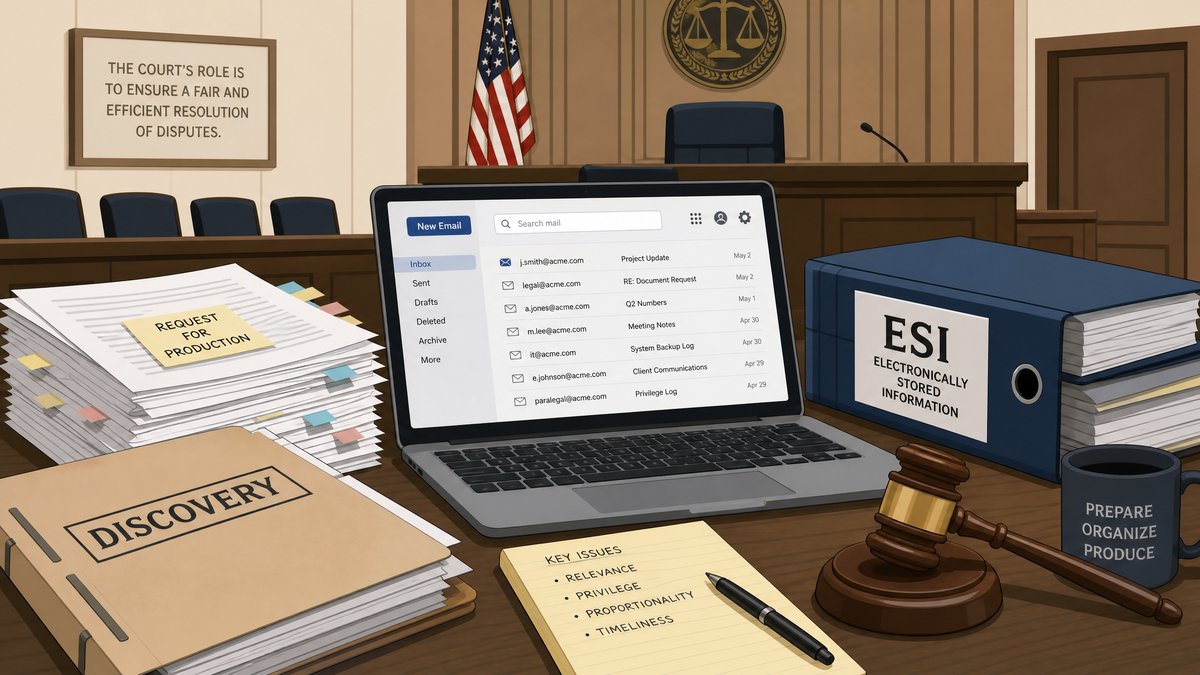
    These requests seek documents, photographs, tangible things, or electronically stored information such as emails, text messages, or digital files. The material sought must be relevant, nonprivileged, and proportional to the needs of the case.

    Person seen from behind at a wooden desk holding a pen and filling a numbered checklist on a clipboard with notebooks and calendar.
    A person reviewing a blank numbered checklist at a desk complements the article’s discussion of organizing steps in the civil discovery process.

    3. Depositions

    A deposition is out-of-court sworn testimony recorded by a court reporter. Attorneys may question a party or witness, subject to applicable rules and objections. Depositions can preserve testimony and help parties understand a witness’s account.

    4. Requests for Admission

    Requests for admission ask a party to admit or deny stated facts or the genuineness of documents. Admissions may narrow the issues that need to be proved later.

    Empty conference table with two mesh chairs, a tabletop microphone, stacked binders and folders, a notepad and a glass of water.
    A meeting table with binders, microphone, notepad and water, illustrating a neutral workspace for organizing and reviewing discovery materials.

    What Discovery Is Not

    Discovery is not an unlimited license to demand everything a party may want. Courts can limit discovery to prevent undue burden, harassment, delay, or disproportionate expense. Privileged information is generally protected. Discovery is also not a substitute for trial: the exchange of information does not itself decide liability. In addition, discovery material is not automatically public. Protective orders may limit disclosure of sensitive information.

    Why the Distinction Matters

    Public discussion of civil litigation can become misleading when discovery requests are reported as if they prove a claim or establish a fact. A request is a request; an allegation is an allegation; and an order resolving a discovery dispute may be narrow. Document-led reporting should identify the request, response, and court ruling separately.

    Disclaimer

    This article provides general information about civil discovery and is not legal advice. Procedures and deadlines depend on the court, the case, and the applicable rules.

    Person in a suit using a laptop showing file and folder icons on screen at a wooden courtroom desk with paper folders nearby.
    Person working through electronic folders on a laptop at a courtroom desk, illustrating electronic file review and organization in discovery workflows.

    Sources

    Related reading: Tennessee Rule 11 and sanctions.

  • Defamation, Opinion, and Fair Reporting: Guardrails for Public-Interest Journalism

    Defamation, Opinion, and Fair Reporting: Guardrails for Public-Interest Journalism

    Defamation, Opinion, and Fair Reporting: Guardrails for Public-Interest Journalism

    Introduction

    Public-interest journalism informs citizens and can strengthen accountability. It also requires careful reporting discipline, particularly when stories include allegations, court filings, or disputes that may affect a person’s reputation. This article explains several important guardrails: defamation law, the distinction between fact and opinion, and the fair-report privilege.

    Woman seated at a wooden courtroom table reads loose papers and writes in a notebook; closed book, two pencils, and a magnifying glass nearby.
    An individual reviewing documents and taking notes in a courtroom-like space, illustrating careful document review relevant to reporting guardrails.

    Understanding Defamation

    Defamation generally concerns a false statement of fact that harms a person’s reputation. It can include written statements (libel) and spoken statements (slander). The precise elements and defenses depend on the circumstances, including who was discussed, what was said, how it was published, and whether the matter involves public concern. Truth is a fundamental defense. Responsible reporting therefore begins with verification, attribution, and attention to what the source document actually says.

    Opinion Is Not a Label That Solves Everything

    Commentary and opinion can be important parts of public debate. But simply adding “in my opinion” does not transform an otherwise verifiable factual assertion into protected opinion. A statement may create legal risk if it implies undisclosed defamatory facts. A sound editorial practice is to separate reporting from analysis: identify the fact, link or cite the source, and make clear when the writer is drawing an inference or expressing a viewpoint.

    Overhead view of a person's hands and the back of their head at a wooden desk with three file folders, a pencil, and a magnifying glass.
    A person examines organized file folders with a pencil and magnifying glass, evoking the process of distinguishing fact from opinion.

    The Fair-Report Privilege

    Journalists frequently report on official proceedings, public records, and judicial matters. Tennessee recognizes a fair-report privilege for fair and accurate reports of official actions or proceedings. The privilege is not a substitute for careful work. It is strongest when reporting accurately attributes information to an identifiable public proceeding or record, fairly conveys its substance, and avoids treating allegations as established facts. The Tennessee Supreme Court has explained that the privilege does not extend to nonpublic, one-on-one conversations merely because the source is connected to government.

    Practical Editorial Guardrails

    • Verify primary sources. Read the complaint, order, recording, docket entry, or public report before characterizing it.
    • Attribute precisely. Say who made an allegation and where it appears.
    • Separate allegations from findings. A filing is not a judicial ruling, and a ruling on one issue may not resolve the entire case.
    • Invite a response when appropriate. Provide a meaningful opportunity to respond to significant adverse factual claims.
    • Use accurate headlines. Avoid headlines that overstate the source material.
    • Preserve the record. Retain copies, links, and notes showing what was reviewed.

    Speech and Anti-SLAPP Protections

    Tennessee’s Public Participation Act provides a procedure that may be available in cases targeting protected speech or petitioning activity. It does not eliminate the need for responsible reporting, and its application depends on the facts and the claims asserted. It is best understood as part of the broader framework surrounding public participation, rather than a guarantee against all litigation.

    Rear view of attendees seated on wooden pews in a courtroom, four foreground figures writing in notebooks.
    Audience members taking notes in a courtroom illustrate how public observation and careful recordkeeping relate to responsible news coverage.

    Disclaimer

    This article provides general information for journalism and public education. It is not legal advice. Specific questions should be directed to qualified counsel familiar with the governing jurisdiction and facts.

    Two people seated at a wooden table in a book-lined room, reviewing printed documents with pens and closed hardcover books nearby.
    An editorial review scene that illustrates careful document review and deliberation relevant to discussion of opinion and fair reporting.

    Sources

    Related reading: Tennessee fair-report privilege.