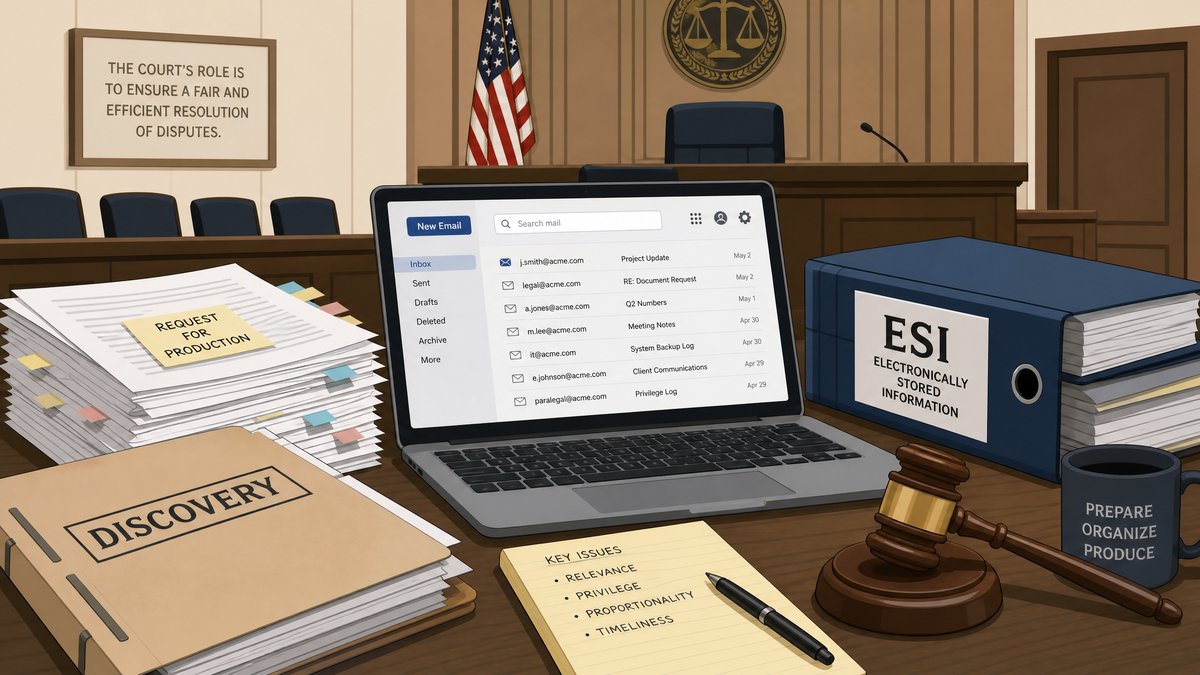
Civil Discovery in Plain English: What It Is and What It Is Not
Civil discovery is a crucial pre-trial phase in civil lawsuits where parties exchange information and evidence relevant to the case. Its primary goal is to prevent surprises at trial, promote fair settlements, and ensure that justice is served based on all available facts. This process allows each side to understand the strengths and weaknesses of their own case and their opponent’s, leading to more informed decisions and potentially avoiding lengthy and costly trials.
What Civil Discovery Is
At its core, civil discovery is the formal process by which litigants gather information from one another and from third parties. This information can include documents, electronic data, physical evidence, and sworn testimony. The scope of discovery is generally broad, allowing parties to seek any non-privileged matter that is relevant to any party’s claim or defense and proportional to the needs of the case.

Key Purposes of Discovery
- Preventing trial by ambush: Parties disclose relevant information before trial.
- Promoting settlement: A clearer factual record helps parties evaluate claims.
- Narrowing issues: Discovery can clarify what is actually disputed.
- Preserving evidence: It can collect testimony or documents that may otherwise become unavailable.
Common Methods of Civil Discovery
1. Interrogatories
Interrogatories are written questions sent by one party to another, answered in writing and under oath. They often seek basic factual information, witness identities, positions, and the existence of documents.
2. Requests for Production
These requests seek documents, photographs, tangible things, or electronically stored information such as emails, text messages, or digital files. The material sought must be relevant, nonprivileged, and proportional to the needs of the case.

3. Depositions
A deposition is out-of-court sworn testimony recorded by a court reporter. Attorneys may question a party or witness, subject to applicable rules and objections. Depositions can preserve testimony and help parties understand a witness’s account.
4. Requests for Admission
Requests for admission ask a party to admit or deny stated facts or the genuineness of documents. Admissions may narrow the issues that need to be proved later.

What Discovery Is Not
Discovery is not an unlimited license to demand everything a party may want. Courts can limit discovery to prevent undue burden, harassment, delay, or disproportionate expense. Privileged information is generally protected. Discovery is also not a substitute for trial: the exchange of information does not itself decide liability. In addition, discovery material is not automatically public. Protective orders may limit disclosure of sensitive information.
Why the Distinction Matters
Public discussion of civil litigation can become misleading when discovery requests are reported as if they prove a claim or establish a fact. A request is a request; an allegation is an allegation; and an order resolving a discovery dispute may be narrow. Document-led reporting should identify the request, response, and court ruling separately.
Disclaimer
This article provides general information about civil discovery and is not legal advice. Procedures and deadlines depend on the court, the case, and the applicable rules.

Sources
- Tennessee Rules of Civil Procedure, Rule 26.02
- Federal Rules of Civil Procedure, Rule 26
- American Bar Association: Discovery
Related reading: Tennessee Rule 11 and sanctions.
Leave a Reply