
Before sending a request for Tennessee court records, it helps to pick the right access route. In Tennessee, public access to government-held information operates through two overlapping structures: the Tennessee Public Records Act (TPRA) for governmental records generally, and Tennessee Supreme Court rules for judicial records. Many court offices also publish policies explaining practical steps. Choosing the correct path at the outset can save time and reduce back-and-forth. For the statewide request framework and basics, consult the Tennessee Public Records Act FAQs from the Office of Open Records Counsel. Choosing a Tennessee court records access path early can help readers identify the correct public-records or court-rule route before making a request.
Why your access route matters
Download the video transcript (TXT).
Records about court business can fall into different legal baskets. Case-related judicial records (such as filings and dockets) are commonly handled under court rules, while administrative records of courts and clerks—like non-case operational materials—are handled under public-records policies grounded in the TPRA. Each route can involve different request points, procedures, and exemptions. Matching the request to the proper custodian and framework helps avoid delays caused by referrals or clarification requests.
The two main frameworks that govern access

Tennessee Public Records Act (TPRA)
The TPRA provides the general structure for inspecting and obtaining copies of public records held by state and local governmental entities, subject to specific exemptions. The statewide FAQs explain core principles such as identifying the governmental entity that maintains the record and submitting a request that reasonably describes what you seek. For foundational guidance, see the Tennessee Public Records Act FAQs with request basics and procedures.
Tennessee Supreme Court rules (including access resources)
Judicial records—often including documents filed in a case, docket materials, and related court-file content—are governed by the Tennessee Supreme Court’s rules. The judiciary’s rules index collects materials about court access. If your target is a court-file document, begin at the Tennessee Supreme Court Rules index with resources about access to court records to locate the applicable rule and any listed exceptions.
Court office policies
Many court offices publish public-records policies that describe how to submit requests for records they maintain. For example, the Appellate Court Clerk has a policy addressing administrative records and referencing how court rules affect access to judicial records. Reviewing the relevant office’s policy can clarify where to send a request, what information to include, and how the office handles inspection and copies. See the Appellate Court Clerk public-records policy document describing administrative access.
First question: who holds the record?

Access turns on custody. A request should go to the governmental entity that maintains the record. For a court office’s administrative records, the TPRA route applies, and the office’s public-records policy will guide your submission. For court-file materials, consult the Supreme Court rules and the court’s practices for viewing or obtaining copies. The TPRA framework emphasizes identifying the correct records custodian and describing requested records clearly so a custodian can locate them efficiently.
Map your request: a step-by-step route

- Define the record. Write down the type of record, a date range, and any known identifiers (for example, a case number for a court-file item). Specificity can reduce clarification exchanges.
- Decide if it is a court-file record or an administrative record. Court-file materials generally follow court rules. Administrative materials of a court office are addressed under the TPRA and the office’s policy. For court-file access parameters, check the Tennessee Supreme Court Rules index for access-related guidance and exceptions.
- Identify the holder and procedure. If an office’s policy covers the record you want, follow that policy. For appellate offices, the Appellate Court Clerk’s posted policy provides an example of how a Tennessee court office explains its process for administrative records.
- Choose inspection or copies. The TPRA framework recognizes inspection of public records and, where permitted, obtaining copies, subject to exemptions. Indicate your preference in the request, and note if electronic copies are acceptable when offered.
- Submit and track. Send the request to the office identified by the applicable policy or rule. Keep a copy of your submission and note the date for your records. If you follow up, reference the original request and keep the communication concise.
Common limits, exemptions, and formats

Some records are not publicly accessible, and others may be accessible only in part. Exemptions under the TPRA and limits under court rules can restrict or condition access to certain information. Administrative records may contain protected information that is redacted before release, and judicial rules may treat some case materials differently. For public-records principles and exemptions under state law, review the Tennessee Public Records Act FAQs discussing access and exemptions.
Where to confirm procedures
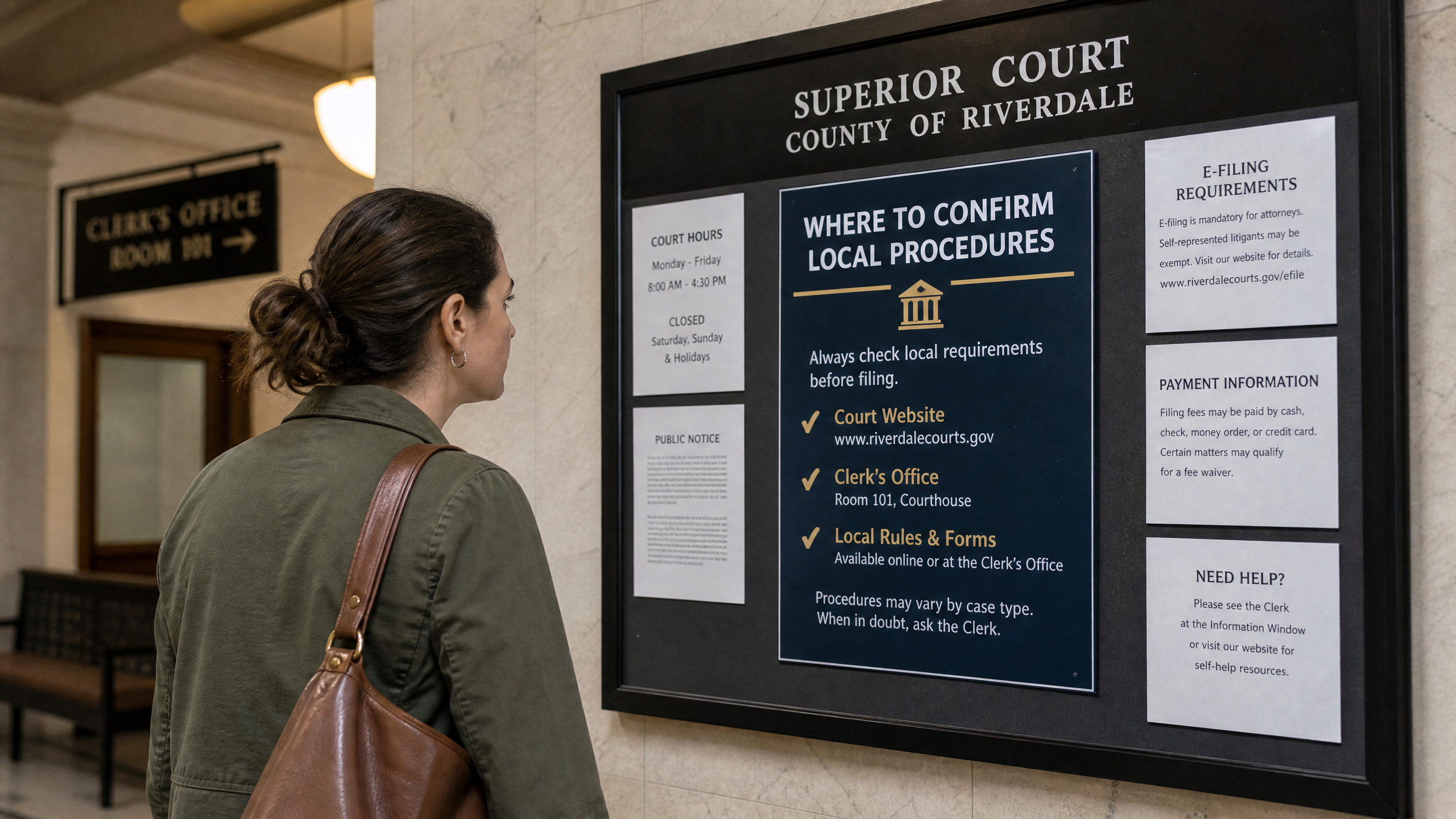
Before finalizing a request, check the most current, official sources. For public-records fundamentals and request mechanics for governmental entities, use the state’s TPRA FAQs. For judicial-records access, start at the Supreme Court rules index. For court-office administrative records, consult the relevant office policy published by that office.
Bottom line
Tennessee court records access depends first on who holds the record and whether it is a judicial case-file item or an administrative record. From there, match your route to the governing framework: court rules for judicial records, and the TPRA plus the specific office’s policy for administrative records. Clear descriptions, the correct destination, and attention to posted procedures will help your request proceed efficiently.
Sources
- Tennessee Public Records Act FAQs (Office of Open Records Counsel)
- Appellate Court Clerk public-records policy (Tennessee appellate courts)
- Tennessee Supreme Court Rules index (includes Rule 34 resources on access to court records)
This article provides general information, not legal advice. Court rules, records, and legal consequences depend on the facts, the forum, and current law; consult a qualified lawyer for advice about a specific situation.
General-information disclaimer: This article is provided for journalism and general information only. It is not legal advice and does not create an attorney-client relationship.
Leave a Reply