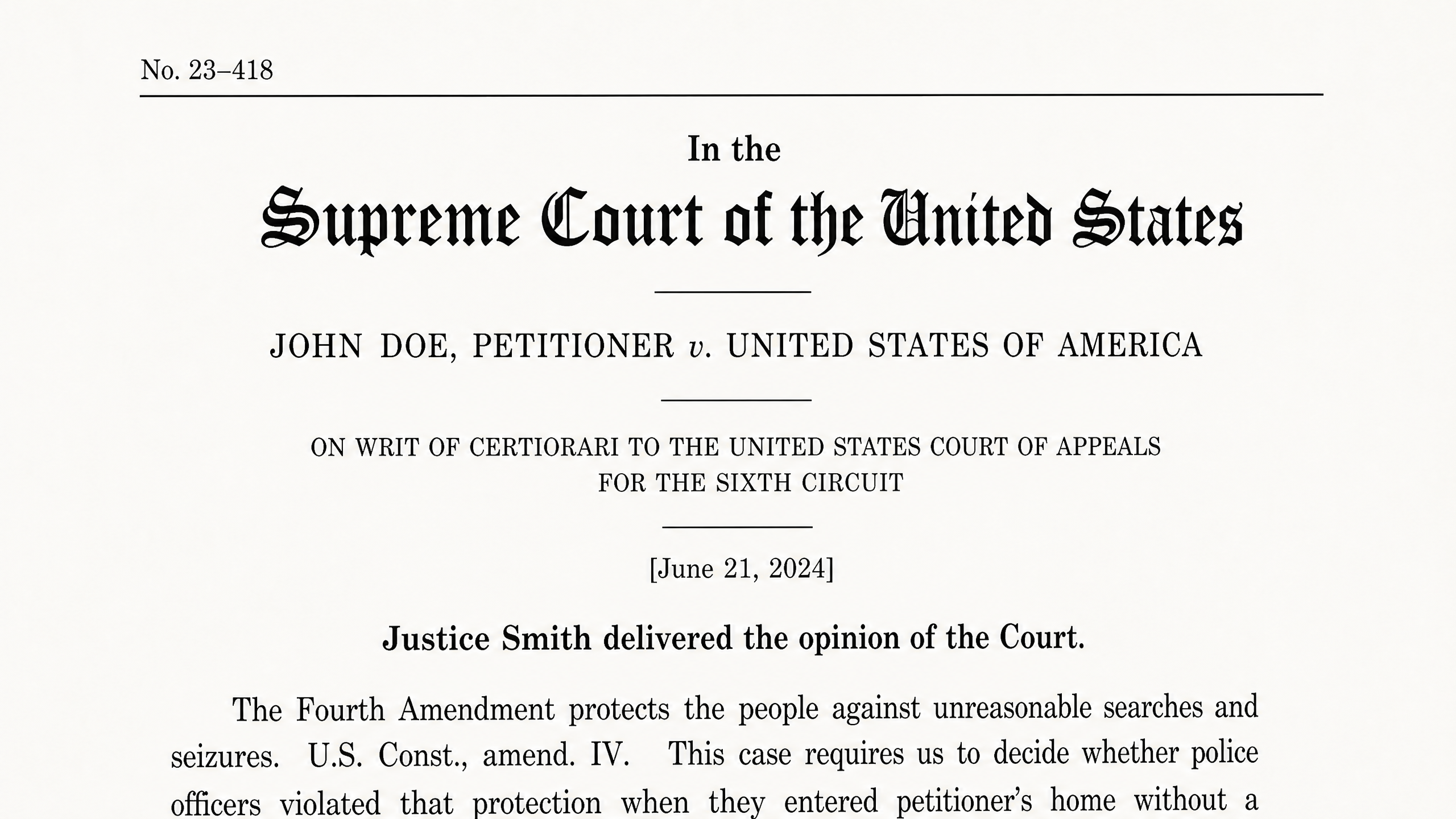
When you open a Tennessee appellate opinion, the first page does a lot of quiet work. The header tells you which court issued the decision, who the parties are, what the docket number is, when the court filed the document, and whether the writing can be cited in other cases. Because publication and citation status affect whether an opinion is precedential, learning to read the header carefully is an essential research skill. This article explains Tennessee appellate opinion citation status and shows where to locate the designation that controls how you may use the document in later filings. This guide helps readers learn how to read a Tennessee appellate opinion header while identifying publication or not-for-citation status.
Appellate courts resolve appeals in written opinions or orders. Tennessee’s judiciary provides a concise overview of how a case moves from notice of appeal to a written decision that concludes the appeal and explains the court’s ruling. For general context about process and output, see the official summary here: Tennessee Courts: Appeals Process in a Nutshell (official PDF).
Why headers matter in Tennessee appellate opinions

Once you have the opinion in hand, the header is the map. It orients you to the court, the parties, the case number, the filing date, the authoring judge, and any publication or not-for-citation designation. Tennessee’s appellate courts use a uniform, statewide format for opinions and orders. That structure is designed to make the header predictable, so readers can quickly find the essentials—who, what, where, and when—before turning to the court’s reasoning. The governing format rule is available here: Tennessee Supreme Court Rule 35 on opinion format.
The rulebook behind the header: format and designation
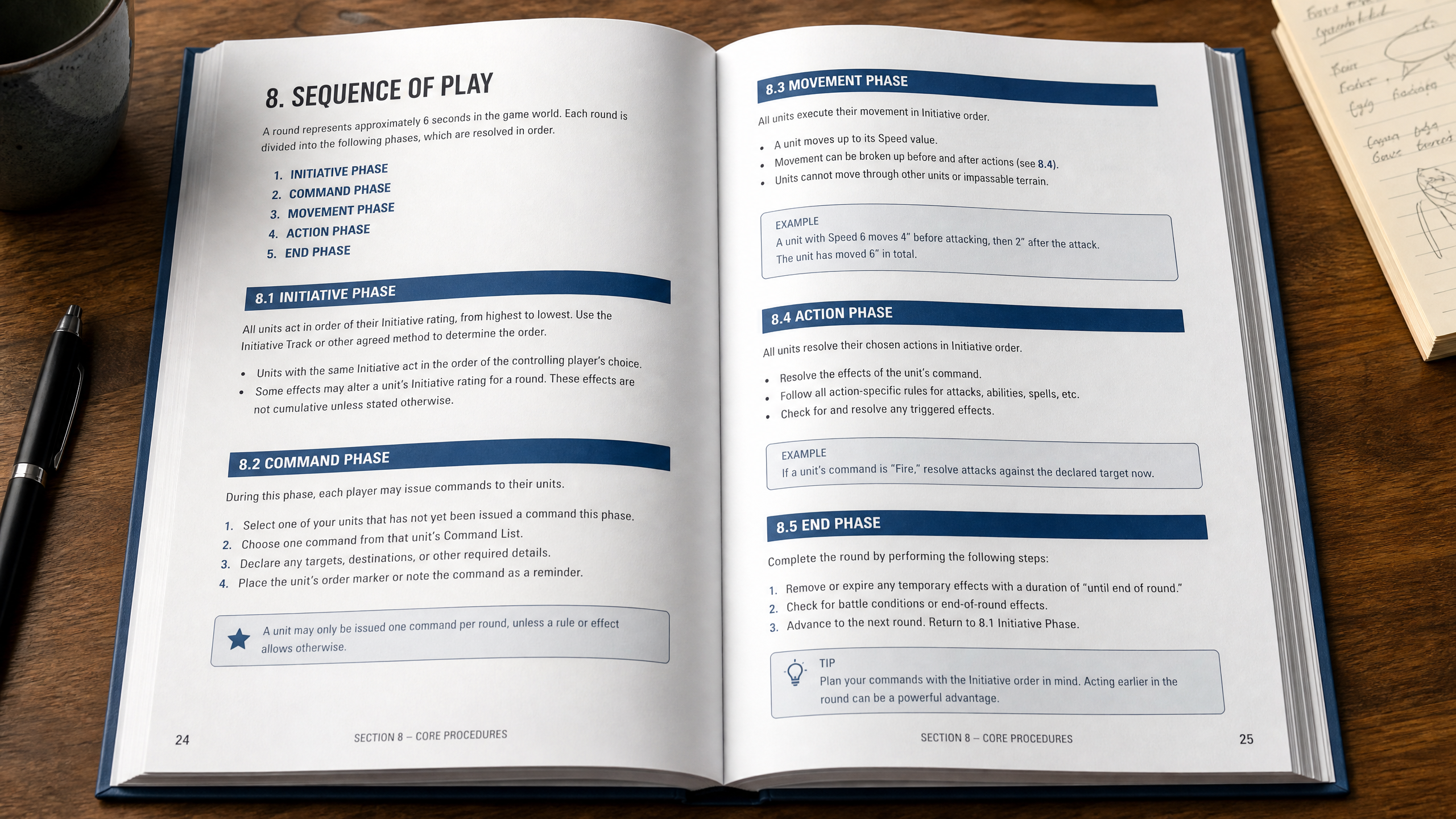
Two statewide rules shape what you will see on the first page of a Tennessee appellate opinion and what that header means:
- Format: Tennessee Supreme Court Rule 35 on opinion format sets a standard arrangement for appellate opinions and orders so that key elements appear consistently.
- Publication and citation status: Tennessee Supreme Court Rule 4 on publication and citation status addresses publication, not-for-citation designations, and the precedential value of appellate writings.
These rules complement each other: the format rule tells you where to look for critical information, and the publication rule tells you what that information means for precedent and citation practice.
What to look for in the header
While the precise appearance can vary over time, Tennessee’s standard format directs courts to include certain core items at the beginning of an opinion or order. Read top-to-bottom and left-to-right, you can expect to find several of the following elements as part of a uniform presentation under Rule 35’s structure:
- Court and location: The court that issued the opinion (for example, the Supreme Court of Tennessee or one of the two intermediate appellate courts) and, where applicable, the place of sitting.
- Style of the case: The caption listing the parties (for example, Appellant v. Appellee). The caption is the formal shorthand for the dispute and the parties’ posture on appeal.
- Appellate docket number: The appellate case number assigned when the appeal was docketed. This identifier is central for tracking filings and related orders.
- Filing date: The official “Filed” date. This date anchors when the decision became part of the appellate record and is important for timing rules and citation.
- Originating court and judge: A line identifying the trial court, the county, and the judge from whom the appeal was taken.
- Authoring judge and panel: The appellate judge who wrote the opinion and, when applicable, the other judges who joined or concurred. Separate concurring or dissenting writings, if any, will be noted and appear after the main opinion.
- Designation statement: A notation reflecting publication or a “not-for-citation” designation, as contemplated by Tennessee Supreme Court Rule 4.
Because Tennessee uses a standardized approach, these data points appear in predictable places, which reduces the risk of missing a key designation that affects whether and how the opinion may be cited in future filings.
Publication, not-for-citation, and precedential value under Rule 4
Publication and citation status in Tennessee are governed by Tennessee Supreme Court Rule 4. In broad terms, when an appellate court designates an opinion for publication, that opinion carries precedential value under the rule. Opinions or orders designated “not for citation” are not precedential, and the rule explains how such writings may be used. This is why the header’s designation line is more than a label—it is the rule-based signal of how the writing functions in later research and briefing.
Practically, if the header reflects publication, you are reading an opinion the courts treat as precedent under Rule 4. If the header reflects a not-for-citation designation, the writing does not operate as precedent, and its use is limited as explained by the rule. Treat this as a bright-line signal about whether the writing may be cited as authority.
Where the designation appears—and why the first page matters

When you review a Tennessee appellate opinion, look for a statement on publication or not-for-citation near the beginning of the document. Because the standard format under Rule 35 organizes essential information up front, the first page is the best place to confirm the designation made under Rule 4. Finding it early avoids building a legal argument on a writing that the rules do not treat as precedential authority.
Reading the header step-by-step
Download the video transcript (TXT).
1) Identify the court
The top line typically names the issuing court. Tennessee has a court of last resort and two intermediate appellate courts. The institutional source matters: a Supreme Court opinion designated for publication has statewide precedential force under Rule 4. Opinions of the intermediate appellate courts likewise may be designated for publication and carry precedential value when published under the rule.
2) Read the style and parties’ posture
The caption lists parties and their positions in the appeal—for example, appellant v. appellee. This tells you who sought appellate review and helps you follow references throughout the opinion. If the caption lists more than two names, expect shorthand references within the body of the opinion; the full list at the top remains your authoritative guide.
3) Note the appellate docket number
The appellate case number is a reliable way to search the docket and locate related filings. Keeping the number handy allows you to track motions, orders, and subsequent opinions that may affect the appeal’s procedural posture. If multiple consolidated appeals are involved, the header may list more than one number; record them all.
4) Confirm the filed date
The “Filed” date in the header is the official date of the decision for research and citation purposes. The date helps you determine whether the opinion was current at the time of your research and whether intervening rule changes might affect how it can be cited. When comparing authorities, placing opinions in chronological order can also clarify how the law has developed.
5) Check the originating court and judge
A line in the header typically identifies the trial court, county, and judge from which the appeal was taken. This helps you understand the procedural history and where the appellate court is positioned in the state’s judicial hierarchy when reviewing that judgment. If the appeal stems from multiple orders or a transferred case, the header may include clarifying references to the source proceedings.
6) Identify the authoring judge and panel
Opinions list the judge who authored the decision and often note which judges concurred. Knowing the author and the composition of the panel can help you follow how the court frames the issues and how the analysis is structured. If separate concurrences or dissents appear later, the header’s panel listing helps you keep track of which judges joined the majority opinion.
7) Locate the publication or not-for-citation designation
Before you read the facts and analysis, find the designation governed by Rule 4. If the header reflects publication, you are reading a precedential opinion under the rule. If the header reflects a not-for-citation designation, the writing is not precedential and the rule restricts citation. Confirming this status first saves time and prevents citation miscues.
Published does not just mean “online”
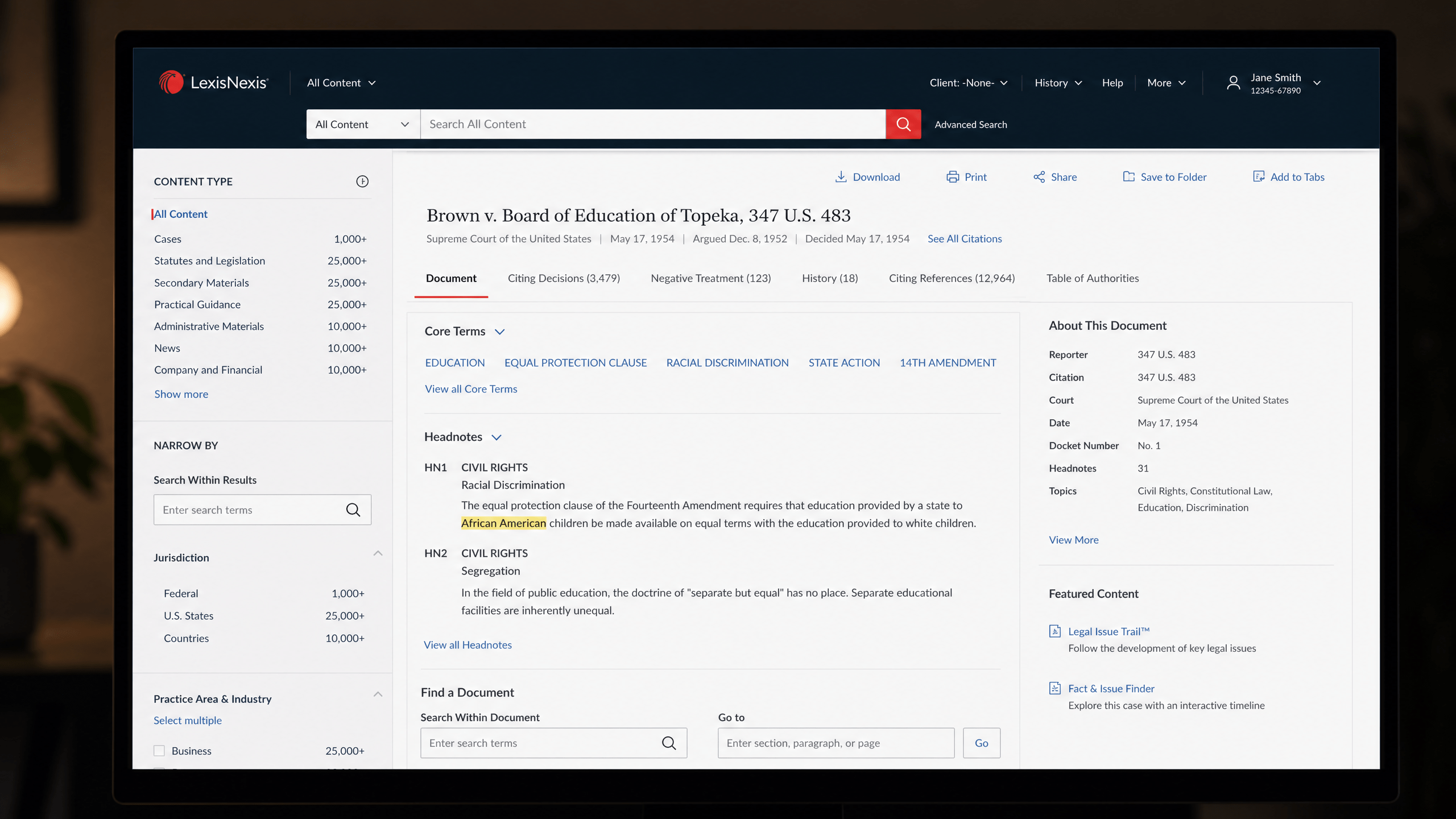
“Published” here is a formal status under the publication rule, not merely a matter of availability on a website or in a commercial reporter. Many opinions and orders are accessible in electronic databases; the key question is whether the appellate court has designated the writing for publication. For the governing standard, see Tennessee Supreme Court Rule 4 on publication and citation status. That designation is what confers precedential value.
Orders, opinions, and common section headings
The format rule covers both opinions and orders. In practice, you will often see section headings such as “OPINION,” followed by organizational headings like “Background,” “Standard of Review,” “Analysis,” and “Conclusion.” While the names and sequence of substantive sections can vary with the case and the court’s needs, Rule 35 anchors the overall structure so that readers can reliably find key components in familiar places across opinions and orders.
How the header supports trustworthy citation
When you prepare a citation, the header supplies the pieces you need to represent the decision accurately: the style (caption), the court, the filing date, and the publication or not-for-citation designation. The designation has a direct consequence under the publication rule: a published opinion is precedential; a writing marked not for citation is not. Confirming that status before you rely on the writing helps avoid missteps in briefs and filings.
Reading what follows the header: allegations, standards, and holdings
Although this article focuses on headers and citation status, one reading principle helps put headers in context. The body of an opinion includes different categories of statements: a recounting of allegations or procedural history, the court’s articulation of legal standards, and the court’s findings and holdings. The header tells you the document’s identity and formal status; the sections that follow indicate what the court has actually decided. Read with an eye for which portions reflect the court’s determinations versus the parties’ accounts.
Common pitfalls when scanning a header

- Assuming availability equals publication: Do not assume that an opinion is precedential because a copy appears online. Look for a designation made under the publication rule.
- Overlooking the filed date: The date matters for understanding the rule set in effect at the time of decision and for placing the opinion in the sequence of authority.
- Confusing parties’ posture: The caption signals who appealed and who responded. Misreading it can invert the context of the court’s analysis.
- Missing the panel attribution: Noting the authoring judge and panel helps you follow references throughout the opinion, including any concurrences or dissents.
- Skipping the originating court line: That line connects the appellate decision to the trial proceedings and can clarify the scope of review.
A quick checklist for Tennessee opinion headers
- Read the court name at the top of the first page and note whether it is the Supreme Court or an intermediate appellate court.
- Read the style (caption) to confirm the parties’ posture on appeal.
- Record the appellate docket number for docket searches and related filings.
- Note the filed date for accurate citation and chronology.
- Identify the originating court and judge to situate the appeal.
- Identify the authoring judge and panel to track concurrences or dissents.
- Find the publication or not-for-citation designation and treat it as the rule-based signal of precedential value.
Context: where the decision fits in Tennessee’s appellate system
Tennessee’s appellate process channels disputes from trial courts to one of the intermediate appellate courts and, where granted, to the Supreme Court. The judiciary’s public guide describes how notices of appeal lead to records and briefs, how panels hear cases, and how the appeal concludes with a written decision. That official overview is here: Tennessee Courts: Appeals Process in a Nutshell (official PDF). Understanding that flow reinforces why standardized headers and clear publication designations matter: they allow readers to quickly place each document within the lifecycle of an appeal.
Putting it together
If you remember one rule-of-thumb about Tennessee appellate opinion headers, make it this: the first page is your orientation guide. It tells you which court is speaking, when it spoke, whom it is addressing in the caption, which record is on review, who authored the decision, and, critically, whether the writing is precedential or not-for-citation under the publication rule. The standardized format set by Tennessee Supreme Court Rule 35 on opinion format makes these signals consistent across courts and cases.
Once you have confirmed the header details—especially citation status—you can turn to the body of the opinion with confidence about how to treat what you are reading. This habit ensures that your research respects Tennessee’s rules on publication, citation, and precedent and that you are drawing from the right kind of authority for the purpose at hand.
Sources
- Tennessee Supreme Court Rule 4 on publication and citation status
- Tennessee Supreme Court Rule 35 on opinion format
- Tennessee Courts: Appeals Process in a Nutshell (official PDF)
This article provides general information, not legal advice. Court rules, records, and legal consequences depend on the facts, the forum, and current law; consult a qualified lawyer for advice about a specific situation.
General-information disclaimer: This article is provided for journalism and general information only. It is not legal advice and does not create an attorney-client relationship.
Leave a Reply