Accountability reporting on courts often intersects with policy debates, oversight inquiries, and statutory changes that originate in the Tennessee legislature. To prevent avoidable errors, newsrooms need a repeatable, document-first approach to Tennessee public hearing calendar verification and to handling corrections and updates when the record shifts. This guide outlines a practical, evidence-led protocol anchored in the state’s official calendars and publication of enacted laws.
Authoritative sources in Tennessee
For scheduling and institutional context, the Tennessee General Assembly official portal is the main entry point to legislative resources. Committee and floor calendars are posted on the Legislative Schedules and Calendars interface, where date, chamber, and committee details are listed. For enacted texts and formal outcomes, the Tennessee Secretary of State acts and resolutions page publishes official acts and resolutions after the legislative process concludes.
Step-by-step verification workflow
1) Locate and capture the schedule entry
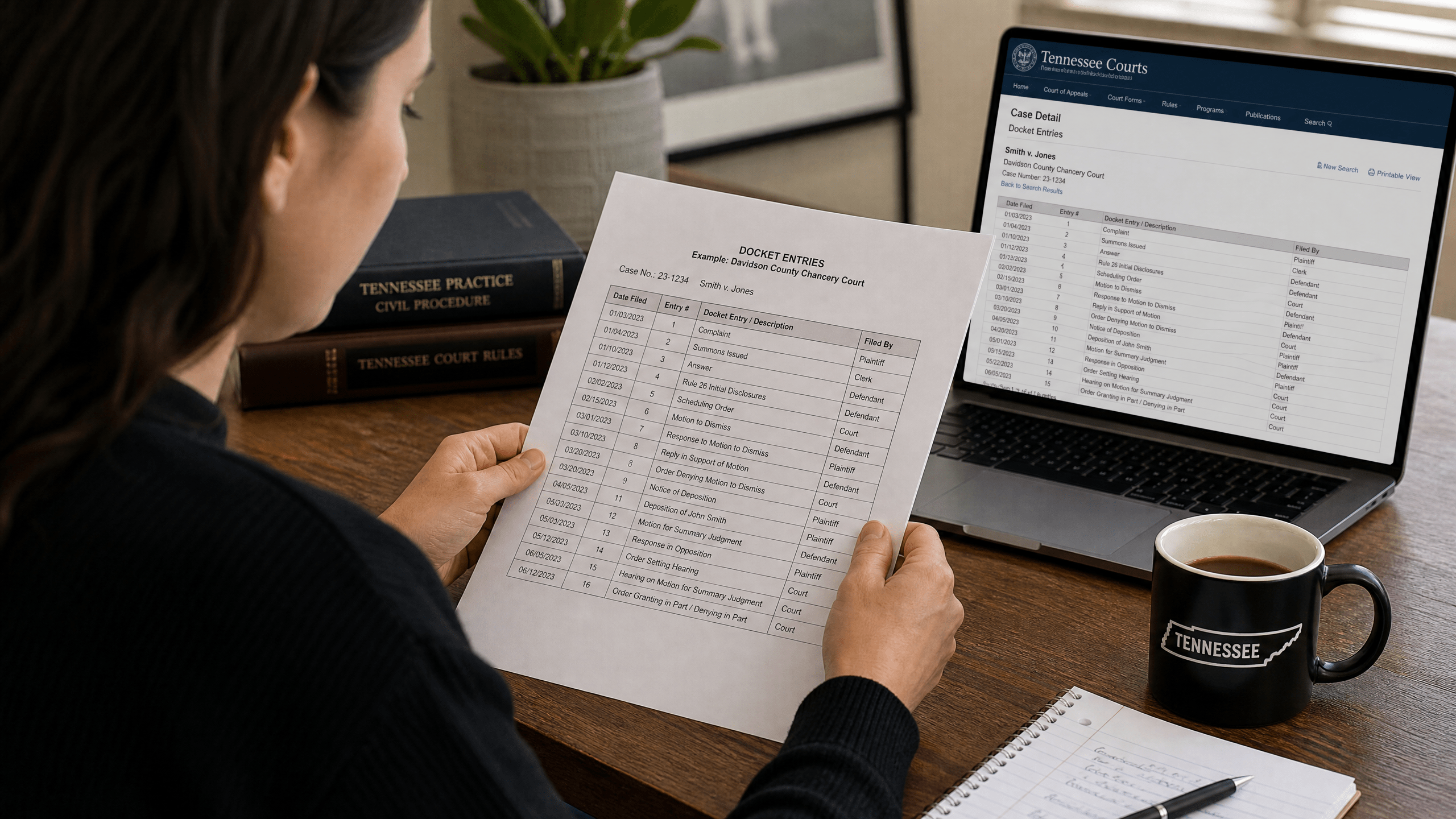
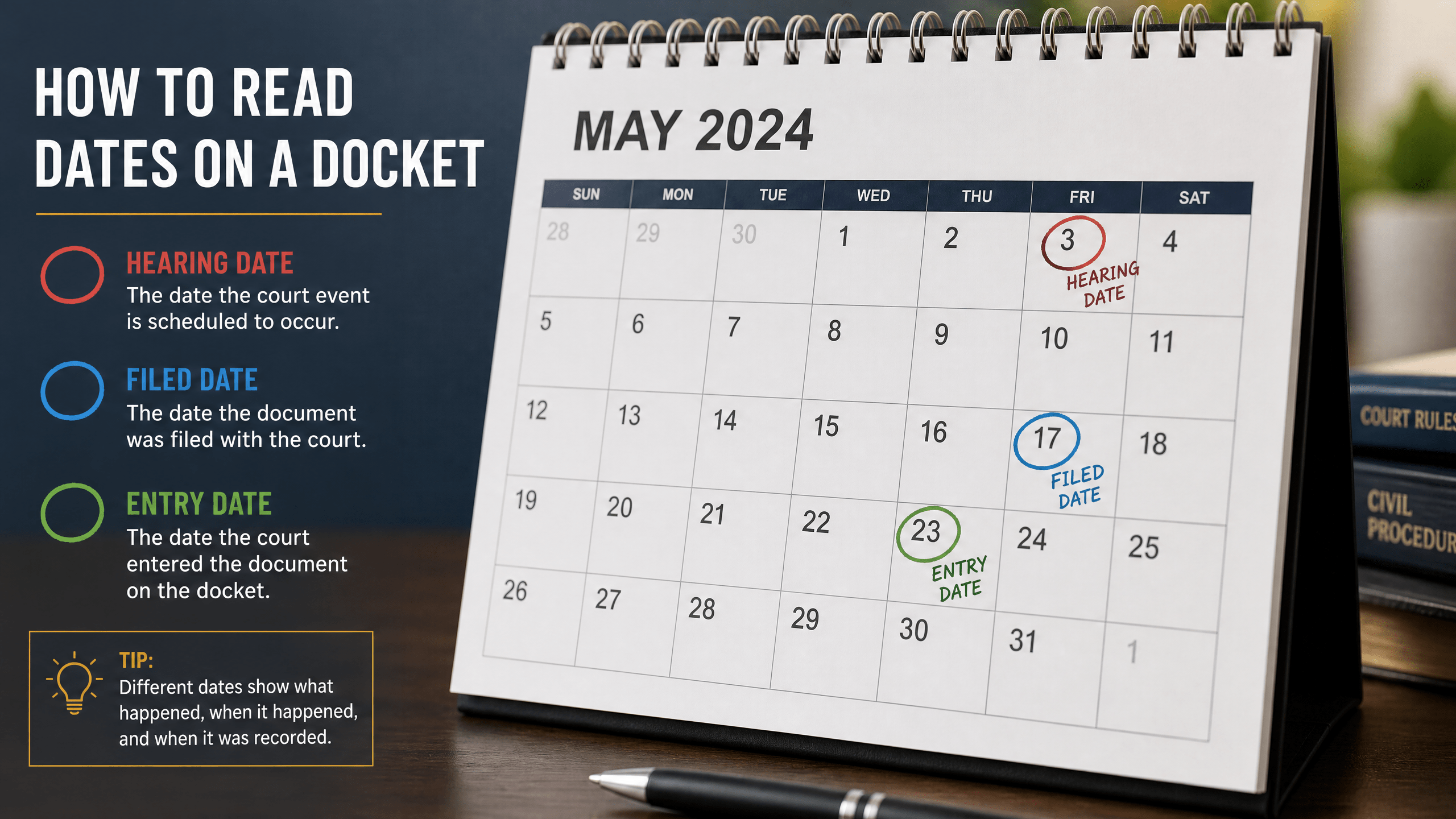
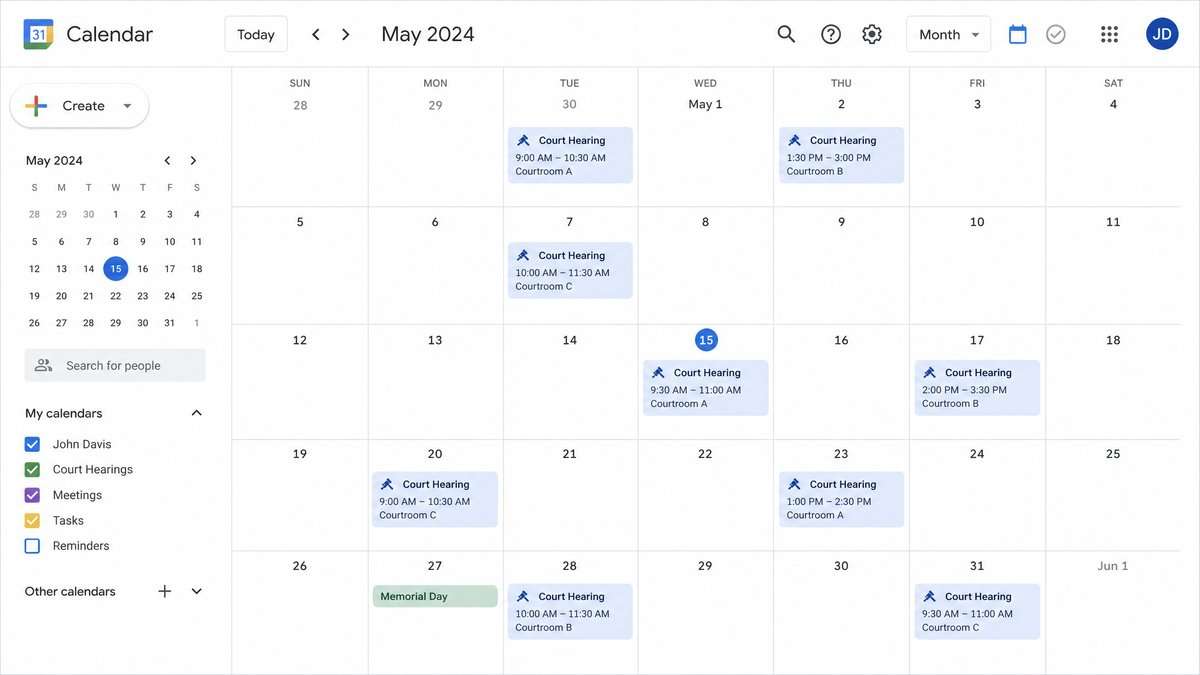
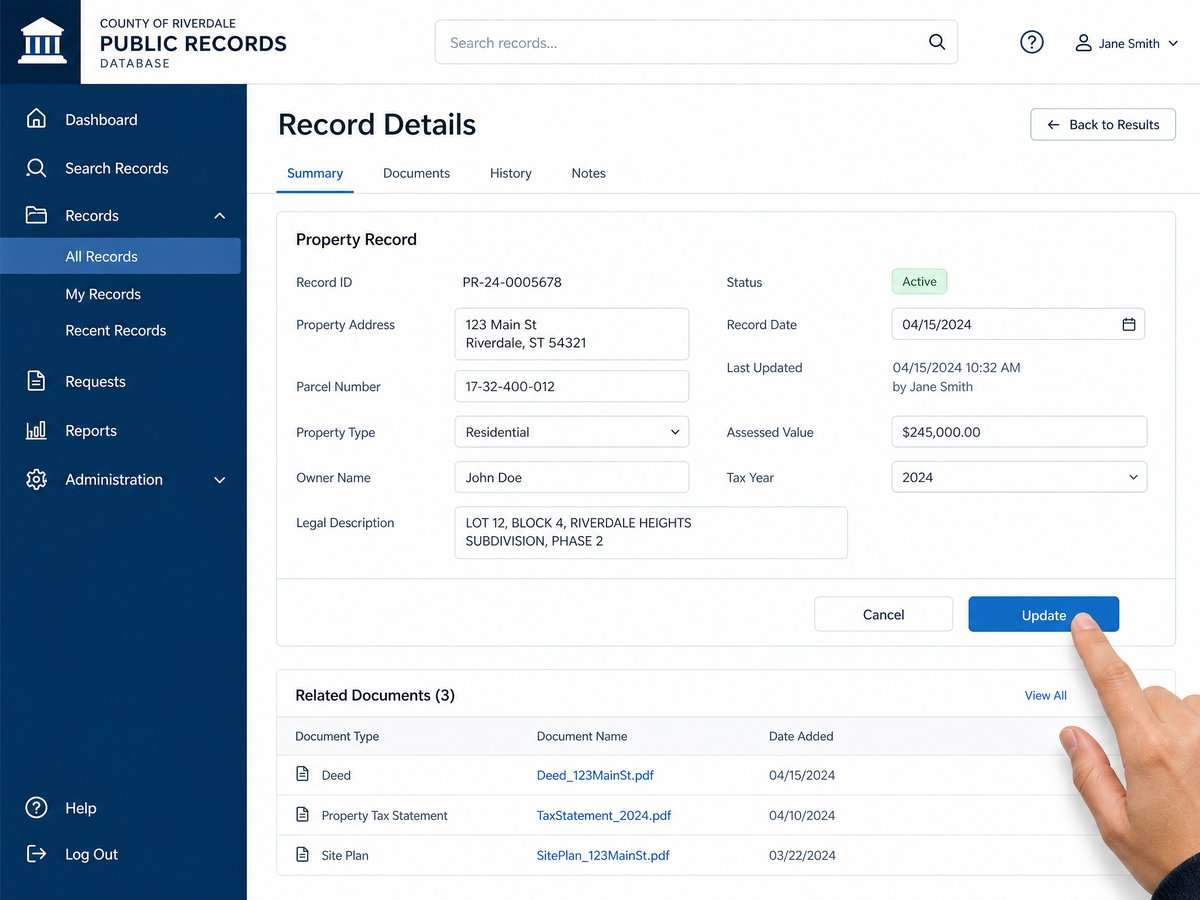
Begin at the legislative schedules interface. Identify the relevant date, chamber, and committee. Note the time, room or location, and any agenda label shown. Record a capture: date-stamp your notes and save a screenshot or PDF of the specific schedule view for your editorial archive. This ensures your reporting is traceable to what was publicly posted at the time you checked.
Download the video transcript (PDF).
2) Check for status notes and updates
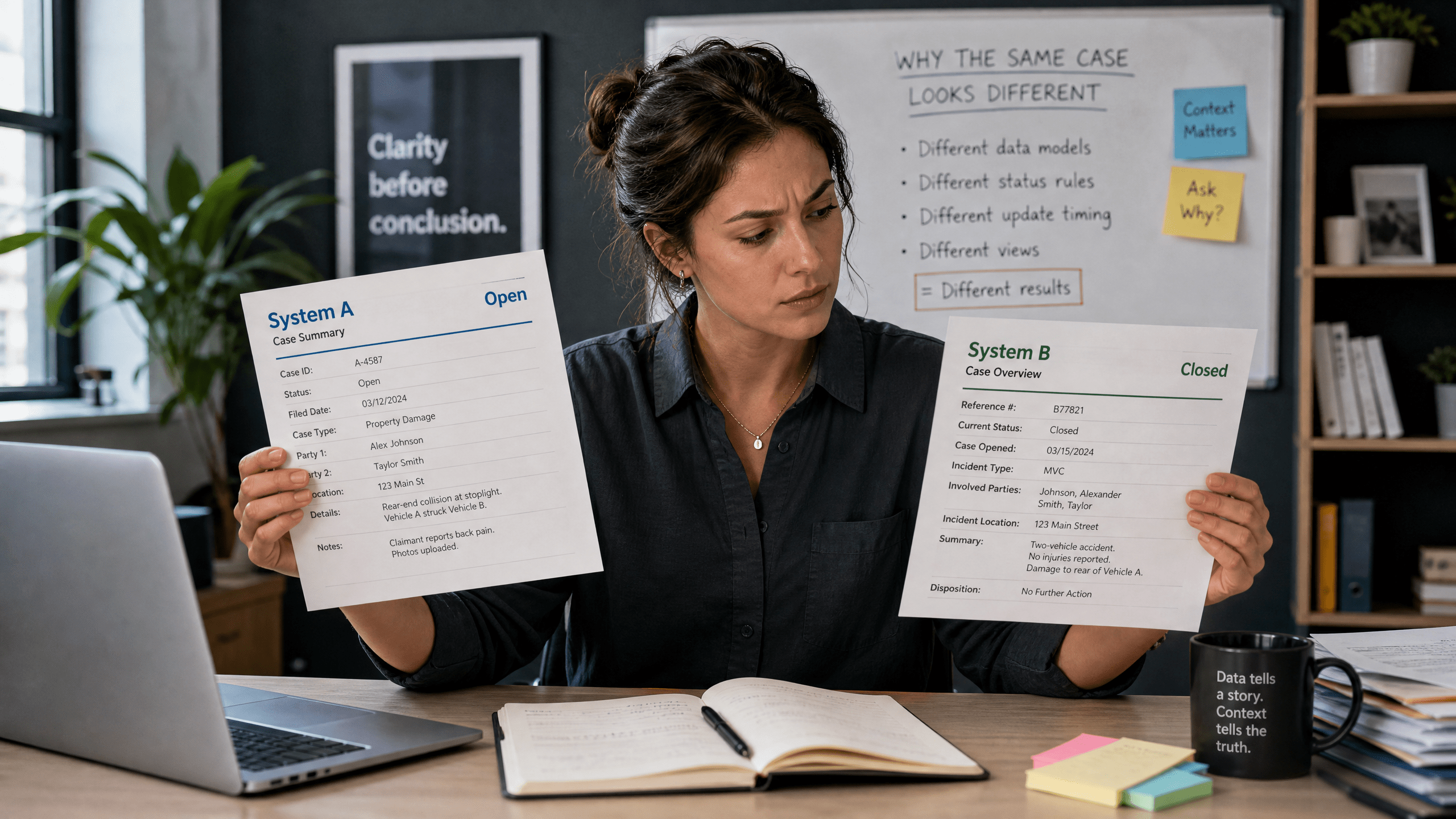
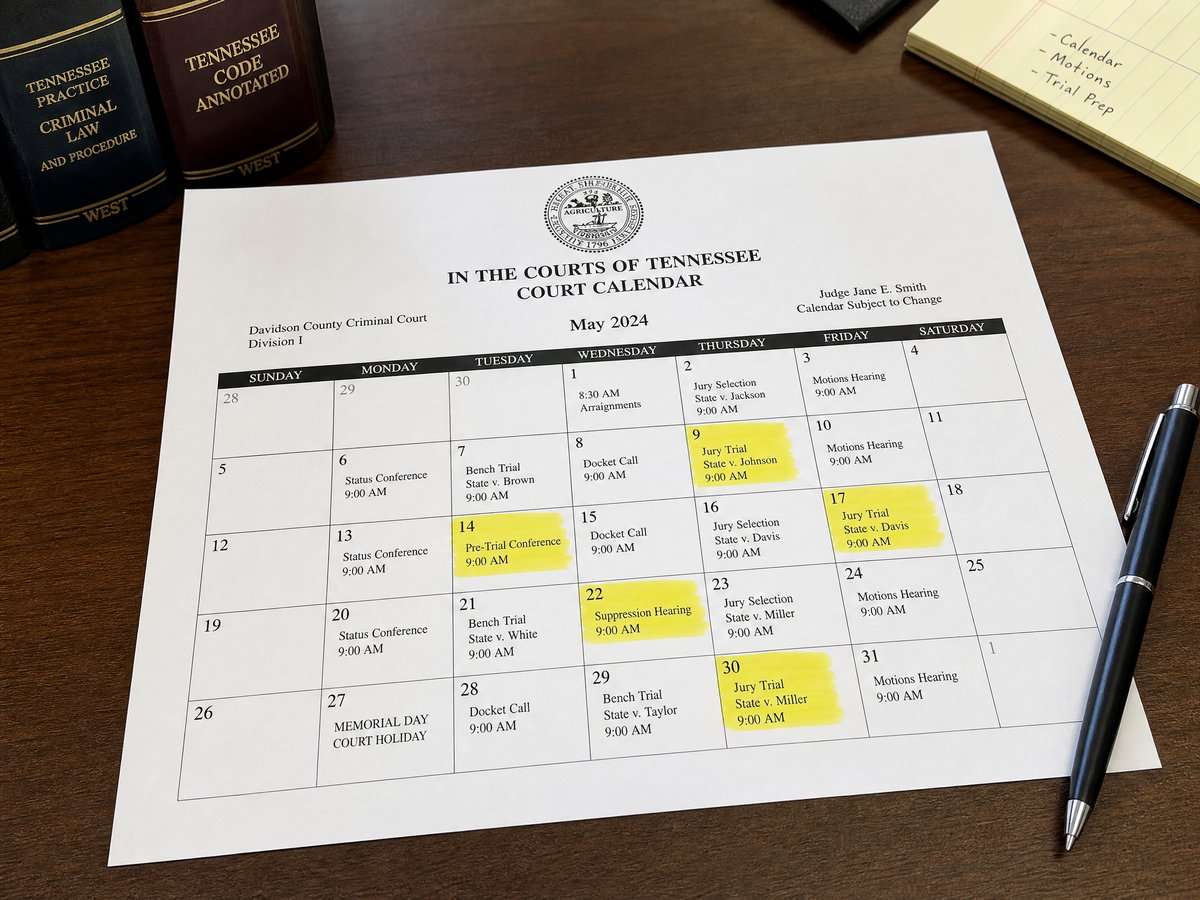
Treat the schedule as dynamic. Look for notations that indicate postponements, cancellations, or recess periods. During recess, the schedule may display limited or no listings. If the page later reflects a change, update your internal notes and retain both the original and updated captures to preserve a transparent trail.
3) Cross-reference the portal structure
Use the General Assembly’s portal to confirm committee names, chambers, and navigation paths that align with the schedule entry you found. This helps prevent mismatching similarly named committees or outdated committee labels that can appear in third-party summaries.
4) Distinguish proposals from enacted law
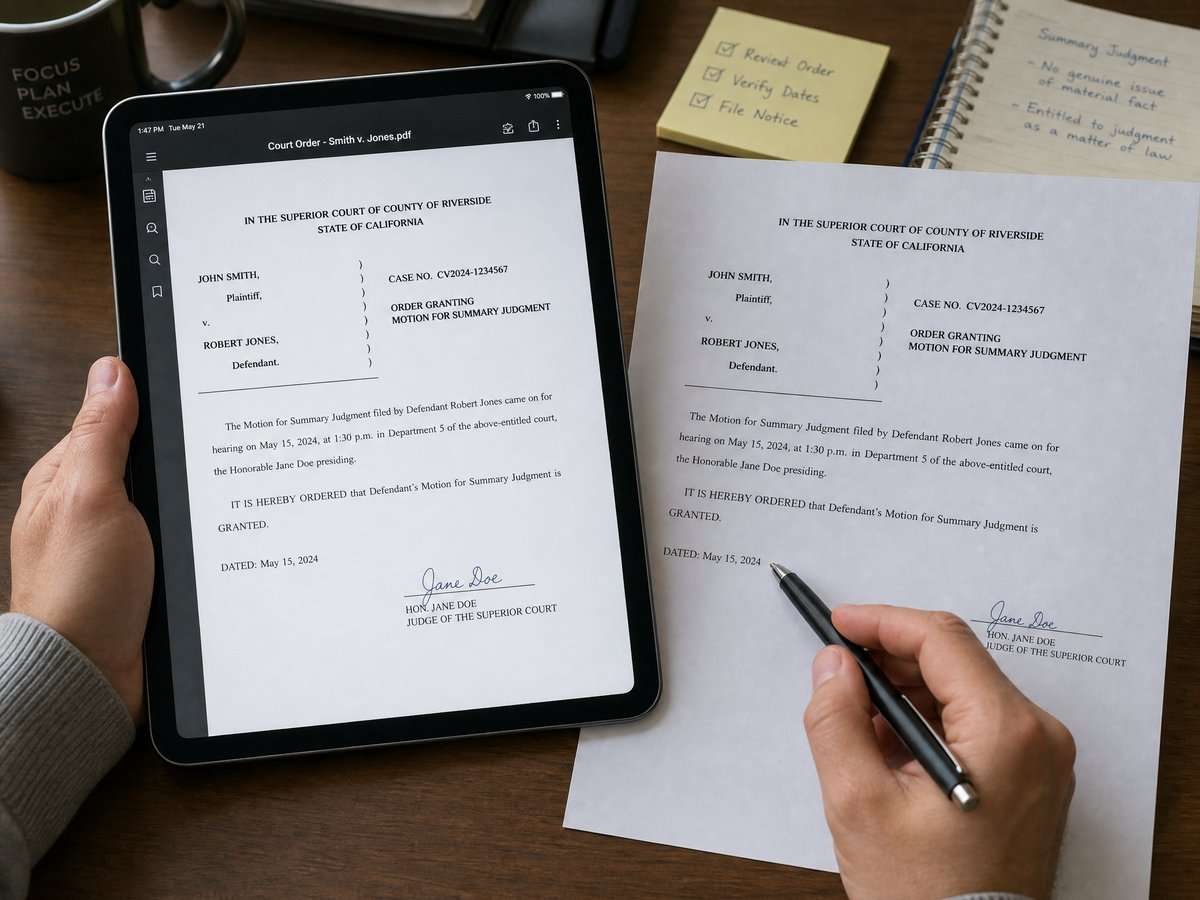
Calendar entries reflect legislative activity, not final outcomes. When a story requires the current law’s text or confirmation that a measure became law, consult the Secretary of State’s acts and resolutions page, which is the publication venue for enacted acts and resolutions. In copy, avoid conflating a bill’s movement on a calendar with enactment; an act is what the state publishes after completion of the legislative process.
5) Use precise, document-based language
In published copy, attribute schedule details to the legislature’s posted calendar and enacted text to the Secretary of State’s published acts and resolutions. Avoid implying that a meeting occurred merely because it appeared on a calendar; say it was “listed” or “posted.” If you later verify that the meeting took place through appropriate coverage standards, update your wording accordingly.
6) Maintain an internal update log
Create a simple log that records the URL consulted, the date and time accessed, the specific calendar line items relevant to your story, and any subsequent changes you observed. Link each log entry to your captured schedule view and, when applicable, to the Secretary of State publication for enacted outcomes. This internal documentation supports transparent corrections and helps editors audit source trails quickly.
Publishing updates and corrections
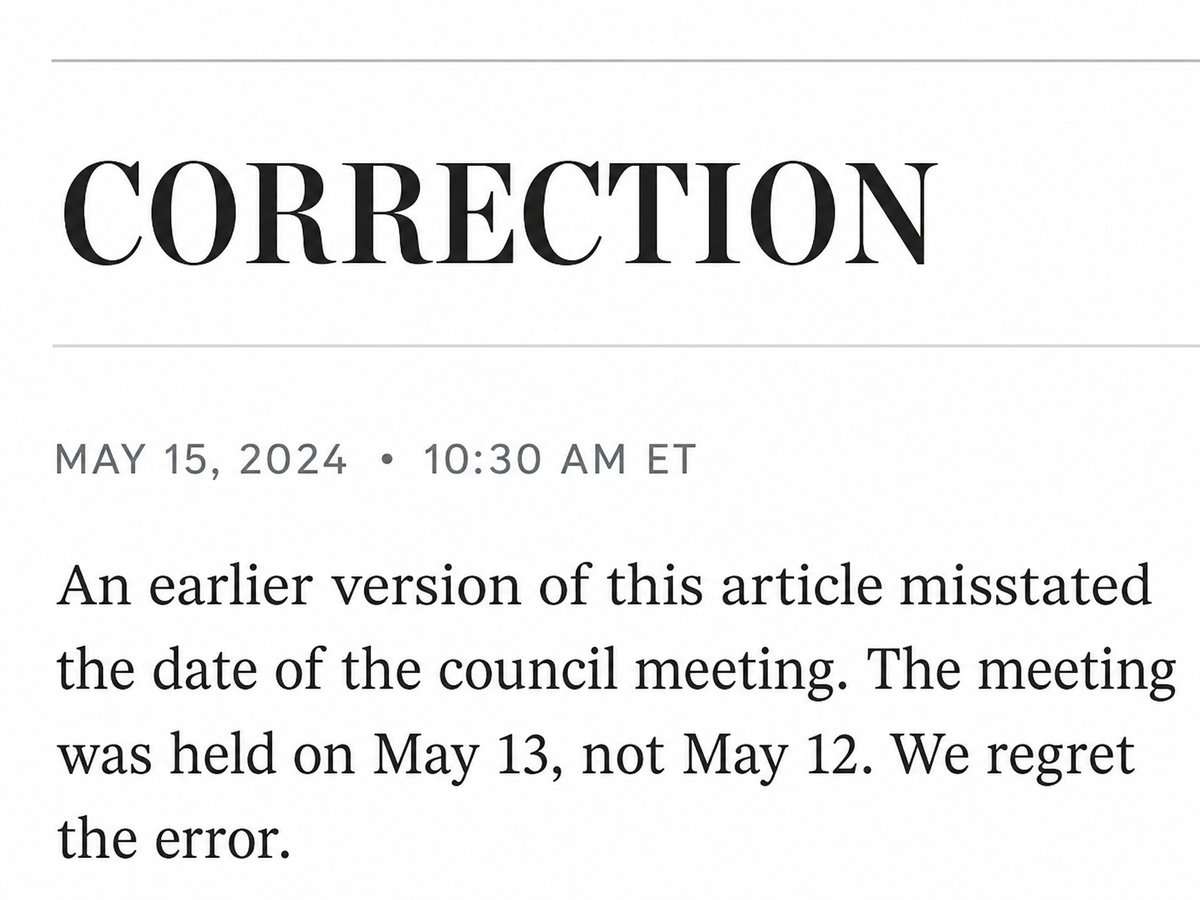
When a schedule changes or a posting is corrected, update your article with clear, neutral language. For example: “Update: The committee hearing previously listed for [date] is no longer shown on the legislature’s public calendar as of [time/date of verification].” Retain your verification log internally so the newsroom can demonstrate what was posted and when it was checked. If a measure discussed in the story is later enacted, add a line that cites and links to the published act or resolution so readers can consult the official text.
Common pitfalls to avoid
- Treating a scheduled item as an accomplished event. A listing is confirmation that it was posted, not that the hearing occurred.
- Quoting or paraphrasing unofficial summaries as law. Use the Secretary of State’s published acts and resolutions to verify enacted language after the legislative process concludes.
- Missing a late change on the calendar. Before publication and again before distribution (e.g., newsletters or social posts), re-check the official schedules interface.
- Overgeneralizing beyond Tennessee sources. Keep references and links Tennessee-specific by citing the official state sites described above.
Pre-publication checklist
- Source: Link to the exact page on the official schedules interface for any referenced hearing or meeting.
- Timestamp: Note when you last verified the calendar entry and whether the page showed any status notes.
- Language: Attribute scheduling details to the General Assembly’s calendar; attribute enacted law to the Secretary of State’s publications.
- Context: Clarify whether a hearing is posted, postponed, or not currently listed, based on what the public schedule shows.
- Follow-through: If your story mentions potential legal changes, plan a post-enactment update that links to the published act or resolution.
- Archive: Save captures of all consulted pages on the General Assembly portal and the Secretary of State site to preserve a verifiable record.
Why this matters for court-access reporting
Courts operate under statutes and rules that evolve. For beat reporters, accurately reflecting when, where, and how policy discussions are scheduled ensures that readers understand the process shaping the legal environment. A disciplined Tennessee public hearing calendar verification routine, paired with careful updates and corrections, supports fair coverage and strengthens public trust.

Sources
- Tennessee General Assembly official portal
- Legislative Schedules and Calendars interface
- Tennessee Secretary of State acts and resolutions page
This article provides general information, not legal advice. Court rules, records, and legal consequences depend on the facts, the forum, and current law; consult a qualified lawyer for advice about a specific situation.
General-information disclaimer: This article is provided for journalism and general information only. It is not legal advice and does not create an attorney-client relationship.