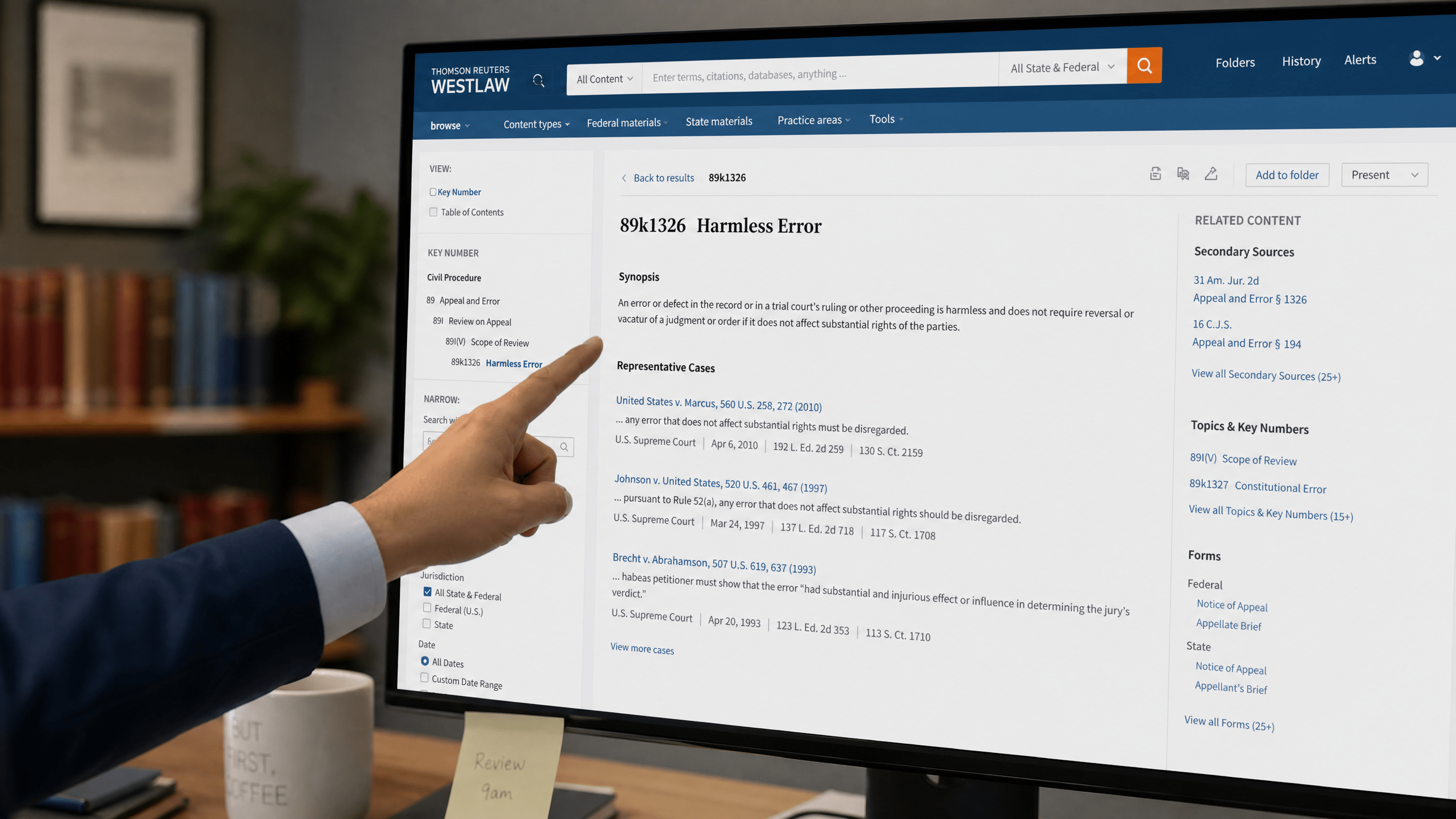
For Tennesseans tracking court activity, several official tools answer specific questions about appellate decisions, schedules, case status, and older records. This Accountability Briefing maps five Tennessee court access tools to the kinds of questions each can answer and offers general tips for reading what you find. Understanding how to use official Tennessee court access tools is the first step in tracking a case effectively.
Where to start
Download the video transcript (TXT).
The Tennessee appellate courts maintain an online hub that links to opinions, oral-argument dockets, the Public Case History, and the Pending Case Report. Begin at the Tennessee Appellate Case Resources portal to see what is officially available.
Tool 1: Appellate opinions and orders
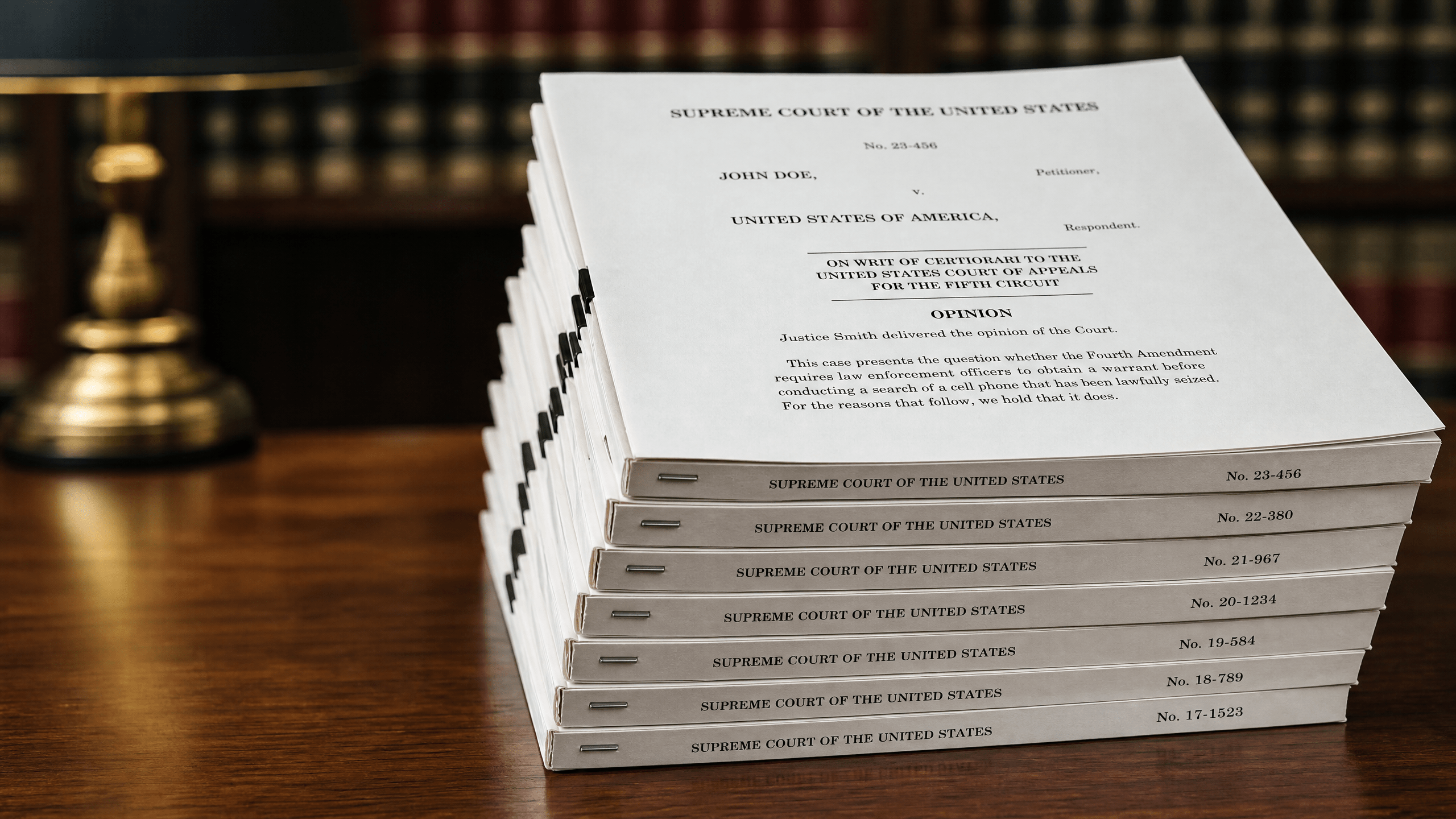
Appellate opinions and certain orders are published through the courts’ official portal. These documents are the court’s written decisions.
- Primary questions this tool can answer: What did the appellate court decide? On what date was the opinion or order released? Where can I read the official text?
- What to know as you read: An opinion states the court’s legal reasoning and outcome. Citations and headings are part of the judicial document. Filings by parties (briefs, motions) are not opinions and reflect advocacy, not findings.
Tool 2: Oral-argument dockets and media

Oral-argument calendars and, when available, recordings are linked from the same appellate portal. Dockets indicate when and where arguments were scheduled or held.
- Primary questions this tool can answer: Was oral argument scheduled in a case? On what date? Is official audio or video posted for public viewing or listening?
- What to know as you watch or listen: Oral argument is a timed session where judges question attorneys. It is not a trial, and it is not evidence. The final result is found in the court’s opinion or order.
Check the Tennessee Appellate Case Resources portal to locate current oral-argument dockets and any posted recordings.
Tool 3: Public Case History (appellate-level case lookup)
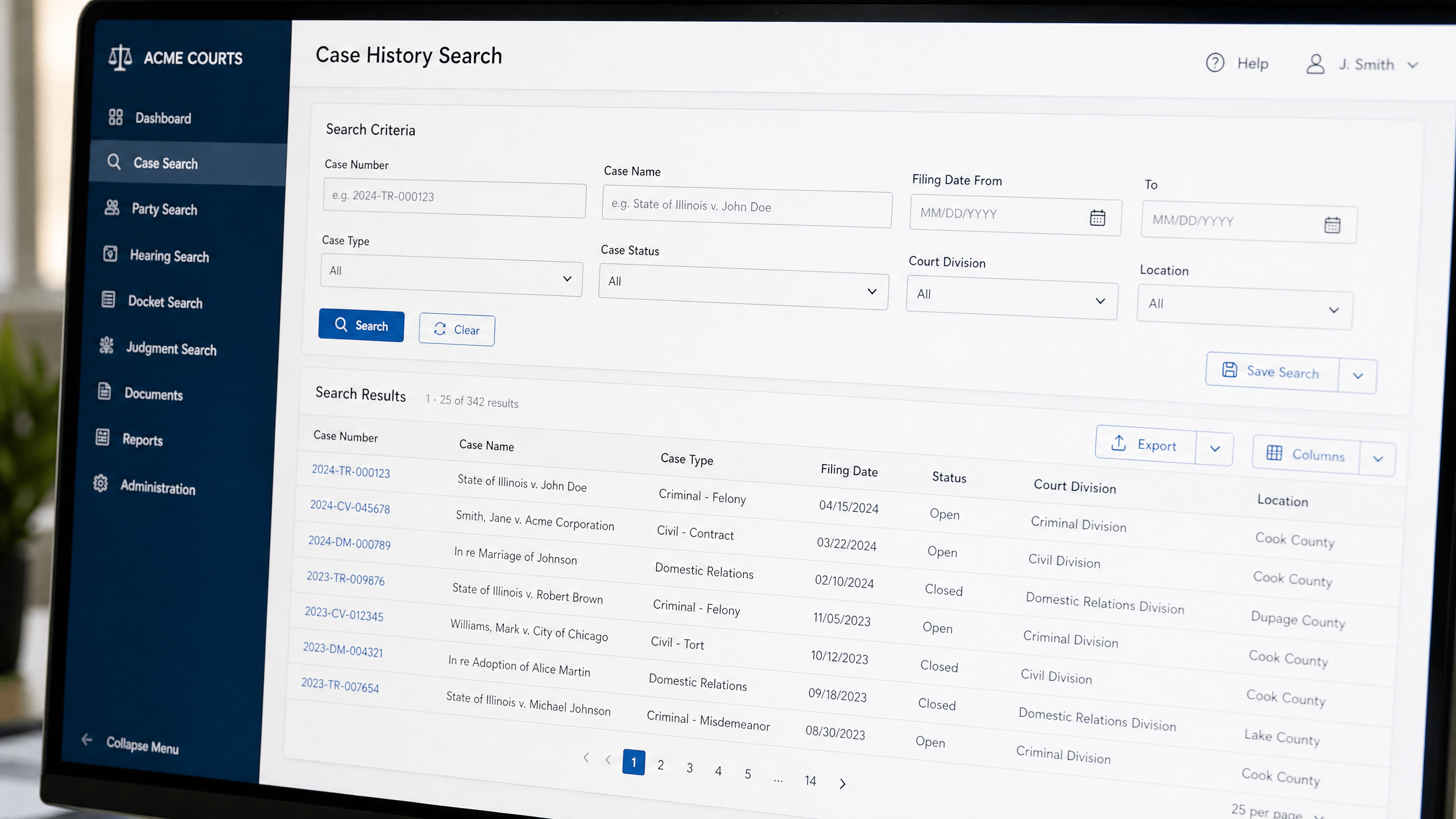
The statewide Public Case History (PCH) service provides official, basic information about cases at the appellate level.
- Where to find it: Use the Public Case History search tool online to look up appellate cases.
- Primary questions this tool can answer: What is the basic status of an appellate case? What events have been recorded on the appellate docket? What case number is associated with a party or attorney?
- What to know as you read: PCH reflects filings and events recorded by the appellate clerk’s offices. Docket entries show that something was filed or occurred but do not, by themselves, resolve disputed facts.
Tool 4: Pending Case Report (what’s currently before the appellate courts)

The appellate portal also provides a regularly updated Pending Case Report. This is a consolidated place to see matters listed as pending before Tennessee’s appellate courts.
- Primary questions this tool can answer: Which cases are currently listed as pending? Where can I find a centralized, official snapshot of active appellate matters?
- What to know as you read: A “pending” designation signals that the case remains active at the appellate level. For details on filings and dates, cross-reference the case in the Public Case History.
Tool 5: Historical court records via the State Library & Archives

Many older court materials are preserved by the Tennessee State Library & Archives (TSLA). The Library’s guidance explains how to identify and request historical court records and where those records may be housed.
- Where to find it: See the TSLA FAQ on finding court records for research steps and contacts.
- Primary questions this tool can answer: How do I locate older trial or appellate records? Which offices or archives keep particular time periods? What indexes or microfilm exist?
- What to know as you research: Historical access depends on what was kept, where it was archived, and the condition of the materials. Expect variations across counties and time periods.
Understanding limits and exceptions
Public access is broad but not universal. Tennessee maintains an official database that catalogs statutory exceptions to the state’s public-records requirements. Before making a records request—or if something you seek is not available—consult the Public Records Exception Database to identify laws that may restrict disclosure. This database is a research aid and does not replace legal advice.
Practical tips for reading court materials
- Track by docket number: When possible, note the appellate docket number. It is the most reliable way to match opinions, dockets, and case-history entries.
- Distinguish documents: Opinions and orders reflect judicial actions. Briefs, motions, and appendices reflect the parties’ positions or supporting materials.
- Check dates and updates: Use release dates on opinions and event dates in Public Case History to understand sequence. Re-check links over time; pending matters change.
- Mind confidentiality notices: If a resource indicates a record is unavailable or limited, consult the Exception Database to see if a statutory restriction may apply.
Sources
- Tennessee Appellate Case Resources (opinions, oral arguments, case-history link, and pending report)
- Public Case History (official appellate-level case lookup)
- Tennessee State Library & Archives FAQ: How do I find court records?
- Public Records Exception Database (Open Records Counsel, Tennessee Comptroller of the Treasury)
This article provides general information, not legal advice. Court rules, records, and legal consequences depend on the facts, the forum, and current law; consult a qualified lawyer for advice about a specific situation.
General-information disclaimer: This article is provided for journalism and general information only. It is not legal advice and does not create an attorney-client relationship.
Leave a Reply