Stop Legal Harassment

Court access · Free expression · Accountability

Tag: appellate access

  • August document desk: five primary Tennessee sources to keep in a public-interest reading file

    August document desk: five primary Tennessee sources to keep in a public-interest reading file

    For accountability reporting in Tennessee, a reliable reading file starts with a few primary sources that explain how courts and lawmakers operate and how professional conduct is enforced. The five resources below come directly from official state websites. They can help you locate appellate materials, understand lawyer discipline rules, follow legislation, navigate courtroom coverage protocols, and review the judiciary’s annual work.

    1) Appellate case materials and tools

    The statewide hub for appellate information is the Tennessee Courts’ appellate case resources page. This page consolidates links for the public to access materials related to appellate proceedings. When using it for accountability work:
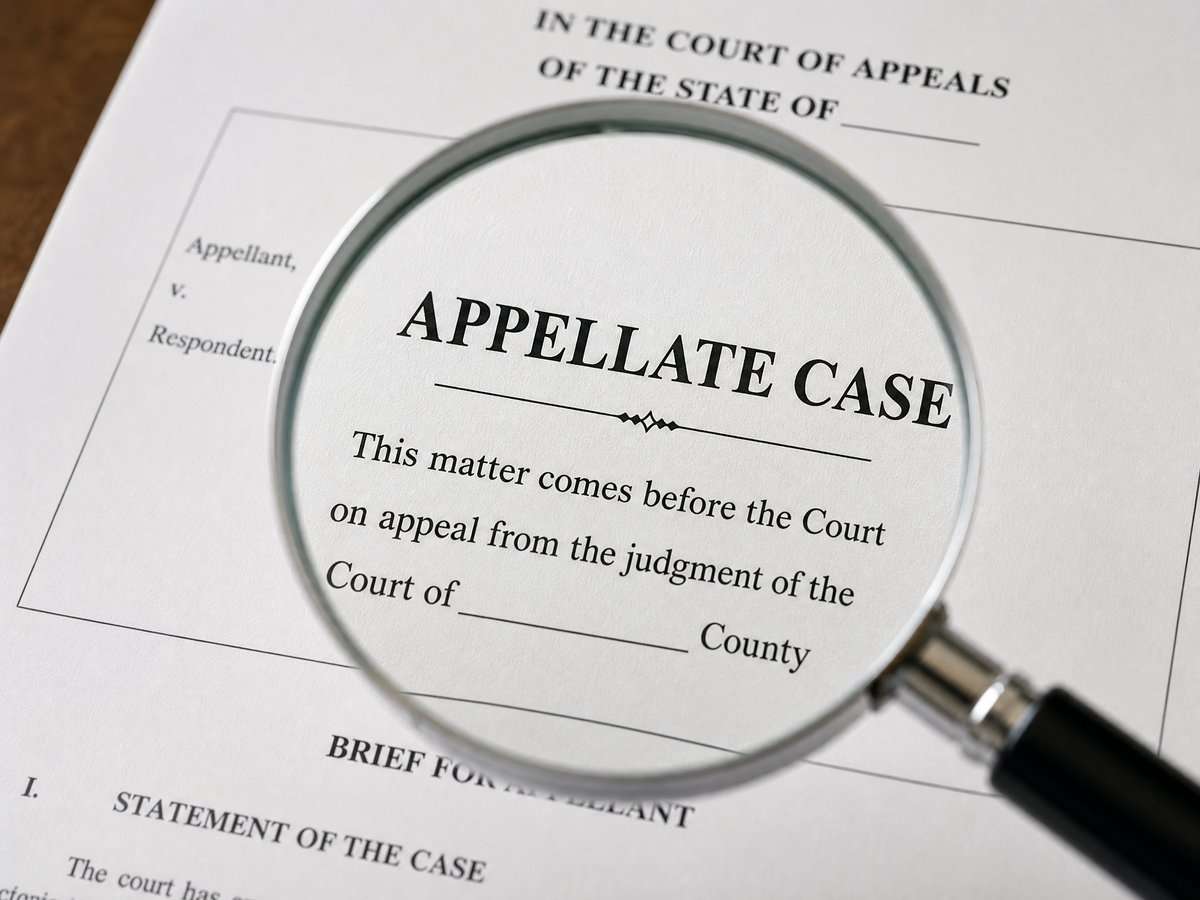
    • Start with the official materials linked there, and note the court, case title, and decision date before quoting or summarizing.
    • Distinguish between filings or briefs (positions and allegations), court orders (directions and procedural rulings), and final opinions (authoritative appellate decisions).
    • If you download documents, label them with the court, case number, and date to preserve context.

    2) Lawyer discipline framework

    Attorney regulation in Tennessee is governed by the Supreme Court’s rules. Supreme Court guidance on disciplinary enforcement sets out the framework for disciplinary enforcement. For reader files and newsroom SOPs:
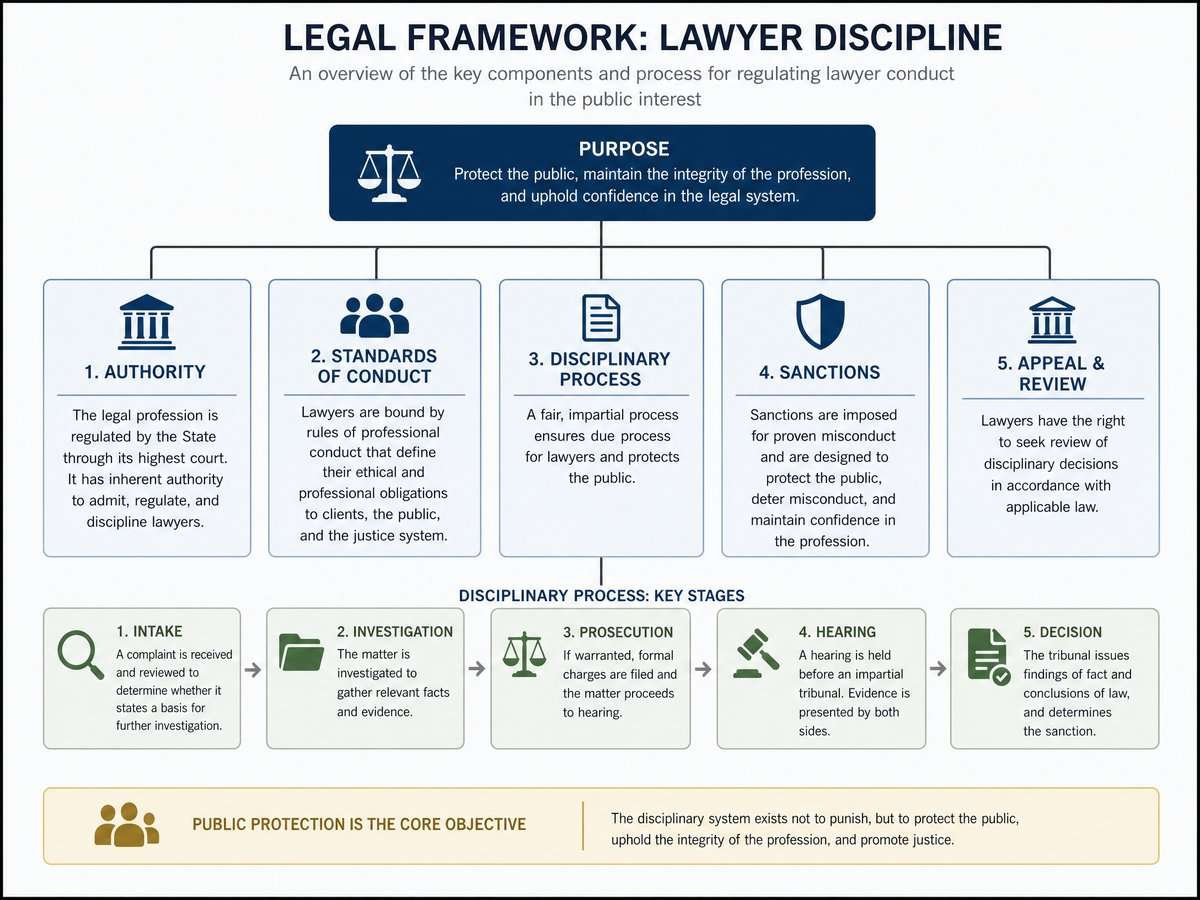
    • Use the rule to understand the structure and processes that apply in disciplinary matters, including how enforcement is organized and what procedural steps are contemplated under the rule.
    • When referencing discipline, quote the rule section you rely on and include the access date; rules are periodically amended.
    • Keep regulatory materials separate from case-specific filings so you can clearly tell readers when you are citing a rule versus describing allegations in a disciplinary record.

    3) Legislative tracking and calendars

    Many court-impacting changes begin at the legislature. The Tennessee General Assembly’s public portal for bills and committees is the official gateway for bills, schedules, and committee information. For public-interest coverage:
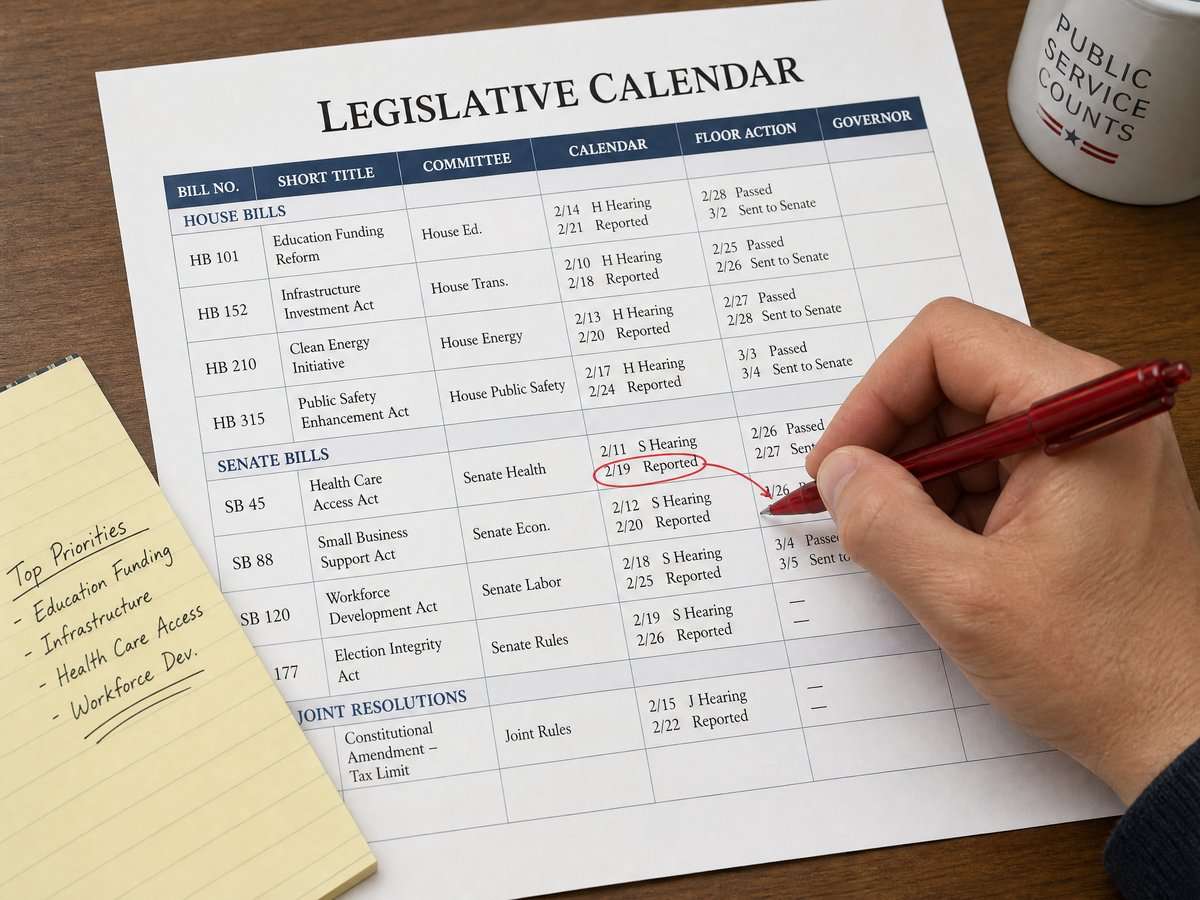
    • Use the portal to locate bill text and to follow actions taken on measures over time.
    • When citing a bill, identify the bill number, the version date, and the last recorded action to avoid confusing draft language with the most current text.
    • Cross-check committee calendars against bill histories when reporting on upcoming hearings or past votes.

    4) Rules for cameras and recording in court

    Journalists should review the judiciary’s guidance before planning any coverage in courtrooms. The Tennessee Courts’ media coverage rules and resources explain how photographing, recording, or broadcasting is handled in Tennessee courts. Practical pointers:


    Download the video transcript (PDF).
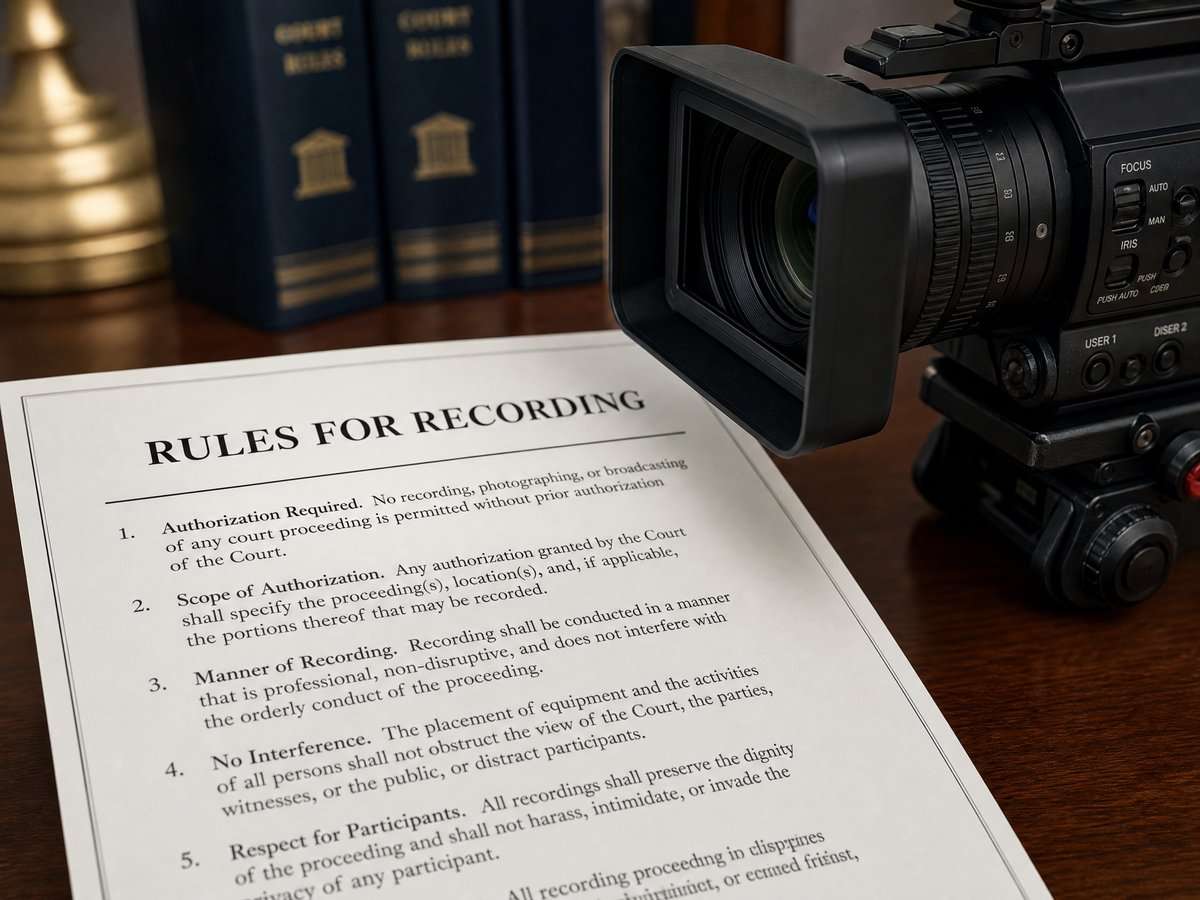
    • Read the statewide rules and any linked forms or instructions about requests and limitations.
    • Note that judges manage proceedings and may impose conditions consistent with the guidance; plan ahead and communicate early.
    • Document your compliance steps in your reporting notes (request timing, approvals, and any limits) for transparency with editors and readers.

    5) Annual overview of the judiciary’s work

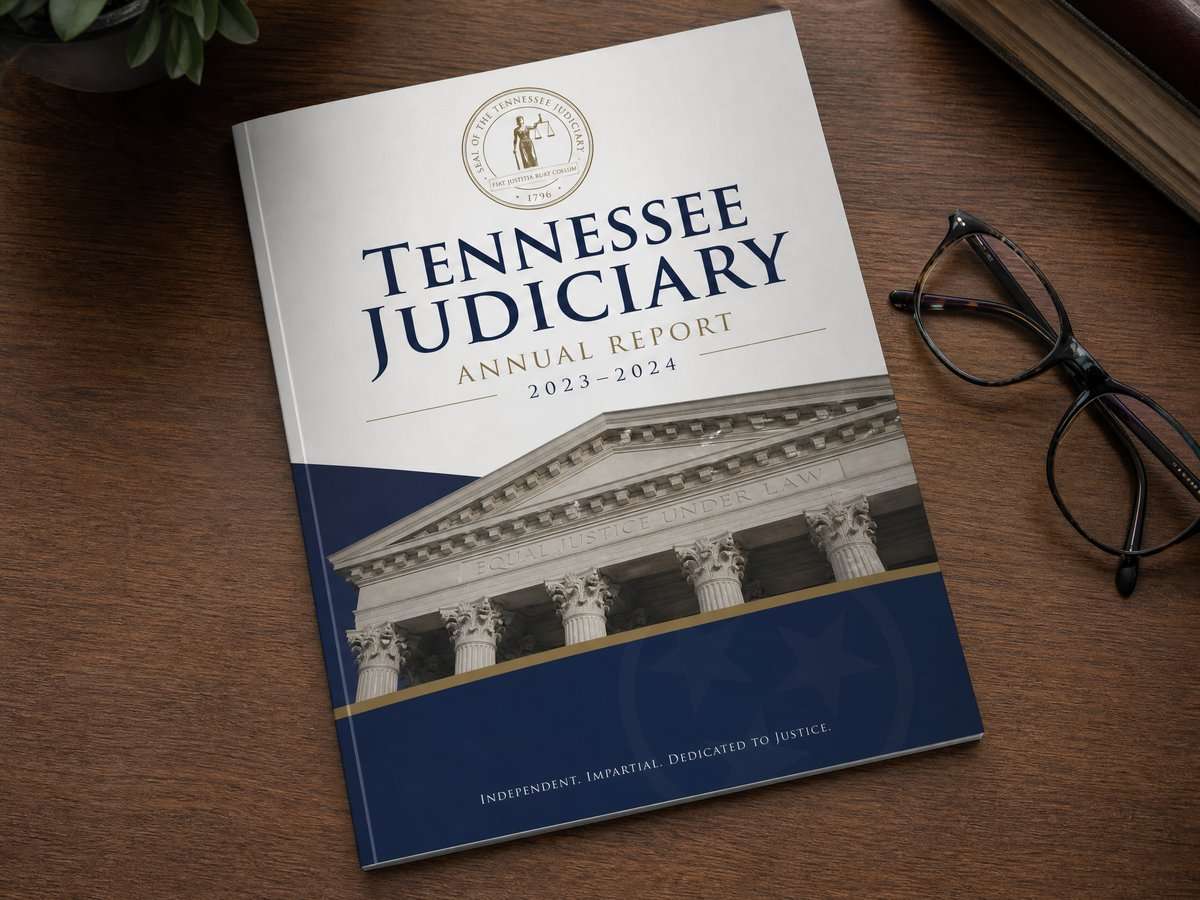
    For a year-by-year snapshot of court operations, consult the official 2025 Tennessee Judiciary Annual Report. This publication provides a statewide overview of the judiciary’s structure and activity for the fiscal year. How to use it:
    • Orient new reporters to the court system’s organization and programs before diving into case-level stories.
    • Use the report to frame trend questions and to identify which courts or programs to watch, then return to primary case materials for specifics.
    • Cite the report title and fiscal year when referencing sections, and avoid extrapolating beyond what the publication states.

    Working principles for reading primary sources

    • Verify document type and posture: an allegation or brief states a party’s position; an order directs procedure; an opinion interprets and applies law.
    • Check dates and versions on rules, opinions, and bills. If you quote language, capture the version date and where it appears.
    • Preserve context by saving PDFs with descriptive filenames and keeping a simple source log (URL, date accessed, and a one-line description).
    • Link to official sources with descriptive anchors so readers can evaluate primary documents themselves.
    • Respect court and media-coverage rules in planning; protocol missteps can affect access.

    Sources

    This article provides general information, not legal advice. Court rules, records, and legal consequences depend on the facts, the forum, and current law; consult a qualified lawyer for advice about a specific situation.


    General-information disclaimer: This article is provided for journalism and general information only. It is not legal advice and does not create an attorney-client relationship.
  • Five official Tennessee court access tools and the questions each tool can answer

    Five official Tennessee court access tools and the questions each tool can answer

    For Tennesseans tracking court activity, several official tools answer specific questions about appellate decisions, schedules, case status, and older records. This Accountability Briefing maps five Tennessee court access tools to the kinds of questions each can answer and offers general tips for reading what you find. Understanding how to use official Tennessee court access tools is the first step in tracking a case effectively.

    Where to start

    Short editorial visual: navigating official court portals.

    Download the video transcript (TXT).

    The Tennessee appellate courts maintain an online hub that links to opinions, oral-argument dockets, the Public Case History, and the Pending Case Report. Begin at the Tennessee Appellate Case Resources portal to see what is officially available.

    Tool 1: Appellate opinions and orders

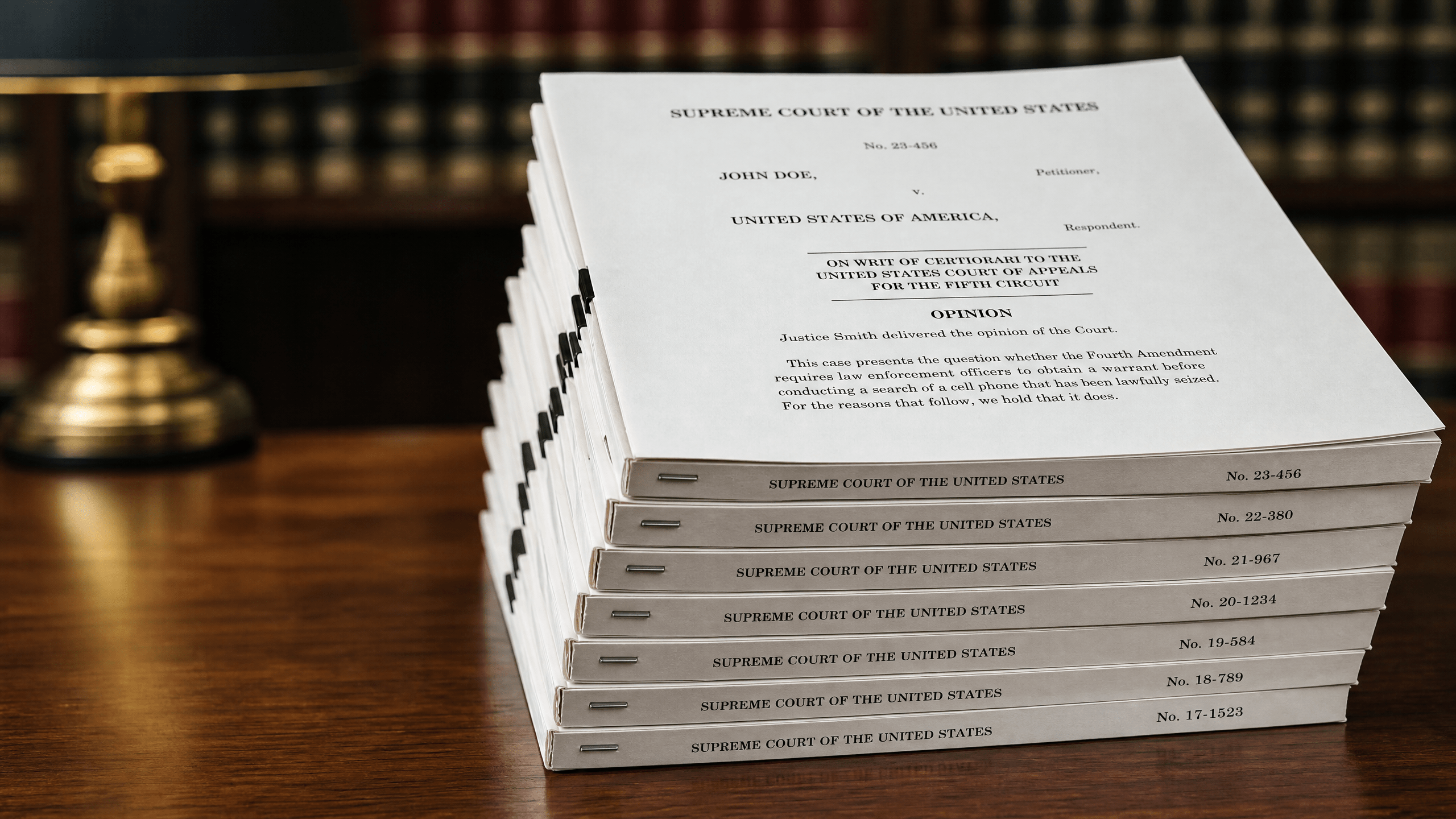
    A stack of legal opinions or rulings, symbolizing the tool for finding appellate opinions and orders.
    Opinions and orders: a neutral illustration for appellate rulings.

    Appellate opinions and certain orders are published through the courts’ official portal. These documents are the court’s written decisions.

    • Primary questions this tool can answer: What did the appellate court decide? On what date was the opinion or order released? Where can I read the official text?
    • What to know as you read: An opinion states the court’s legal reasoning and outcome. Citations and headings are part of the judicial document. Filings by parties (briefs, motions) are not opinions and reflect advocacy, not findings.

    Tool 2: Oral-argument dockets and media

    A courtroom podium with a microphone, illustrating the setting for oral arguments.
    Oral arguments: a neutral illustration for court dockets.

    Oral-argument calendars and, when available, recordings are linked from the same appellate portal. Dockets indicate when and where arguments were scheduled or held.

    • Primary questions this tool can answer: Was oral argument scheduled in a case? On what date? Is official audio or video posted for public viewing or listening?
    • What to know as you watch or listen: Oral argument is a timed session where judges question attorneys. It is not a trial, and it is not evidence. The final result is found in the court’s opinion or order.

    Check the Tennessee Appellate Case Resources portal to locate current oral-argument dockets and any posted recordings.

    Tool 3: Public Case History (appellate-level case lookup)

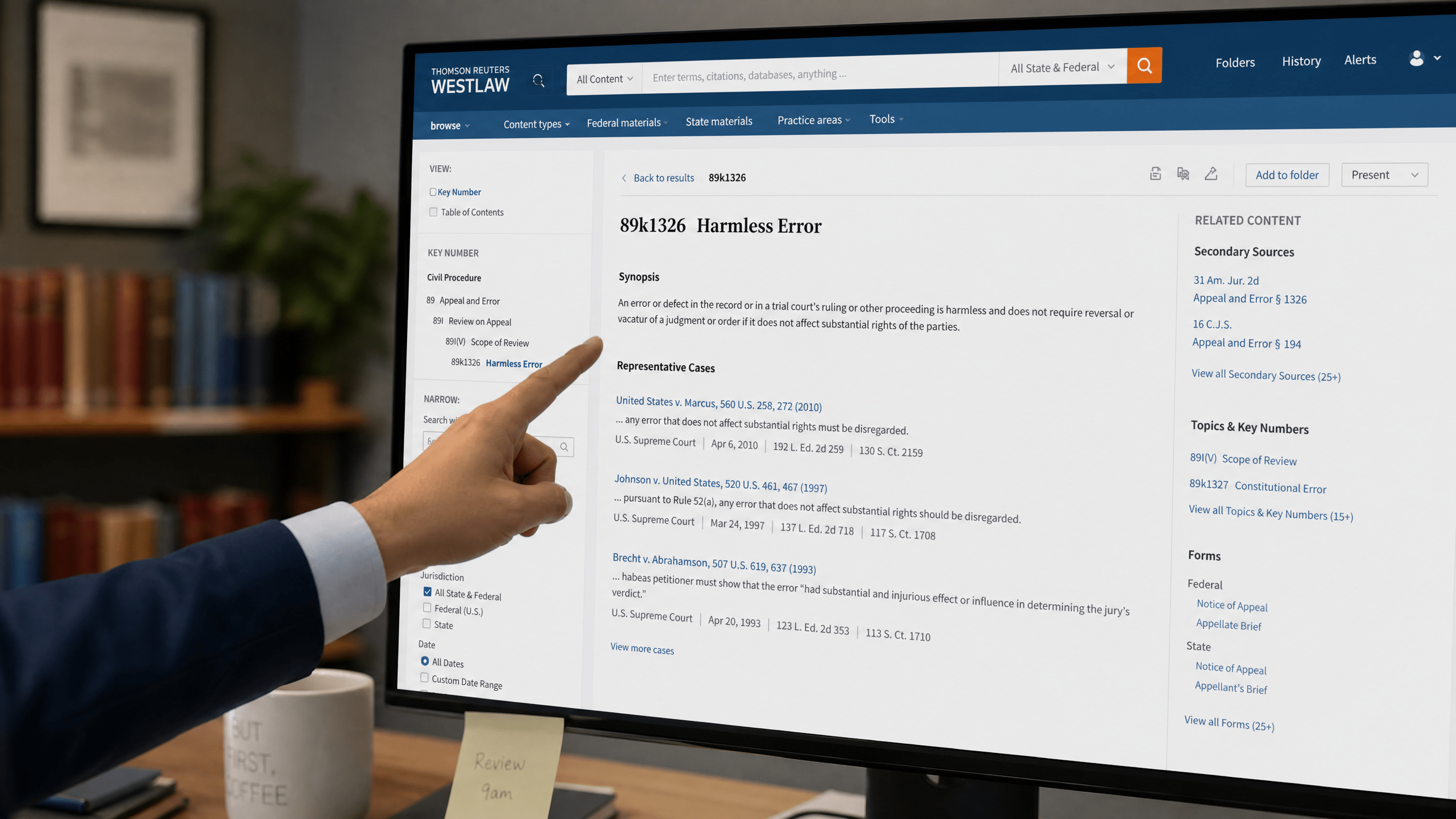
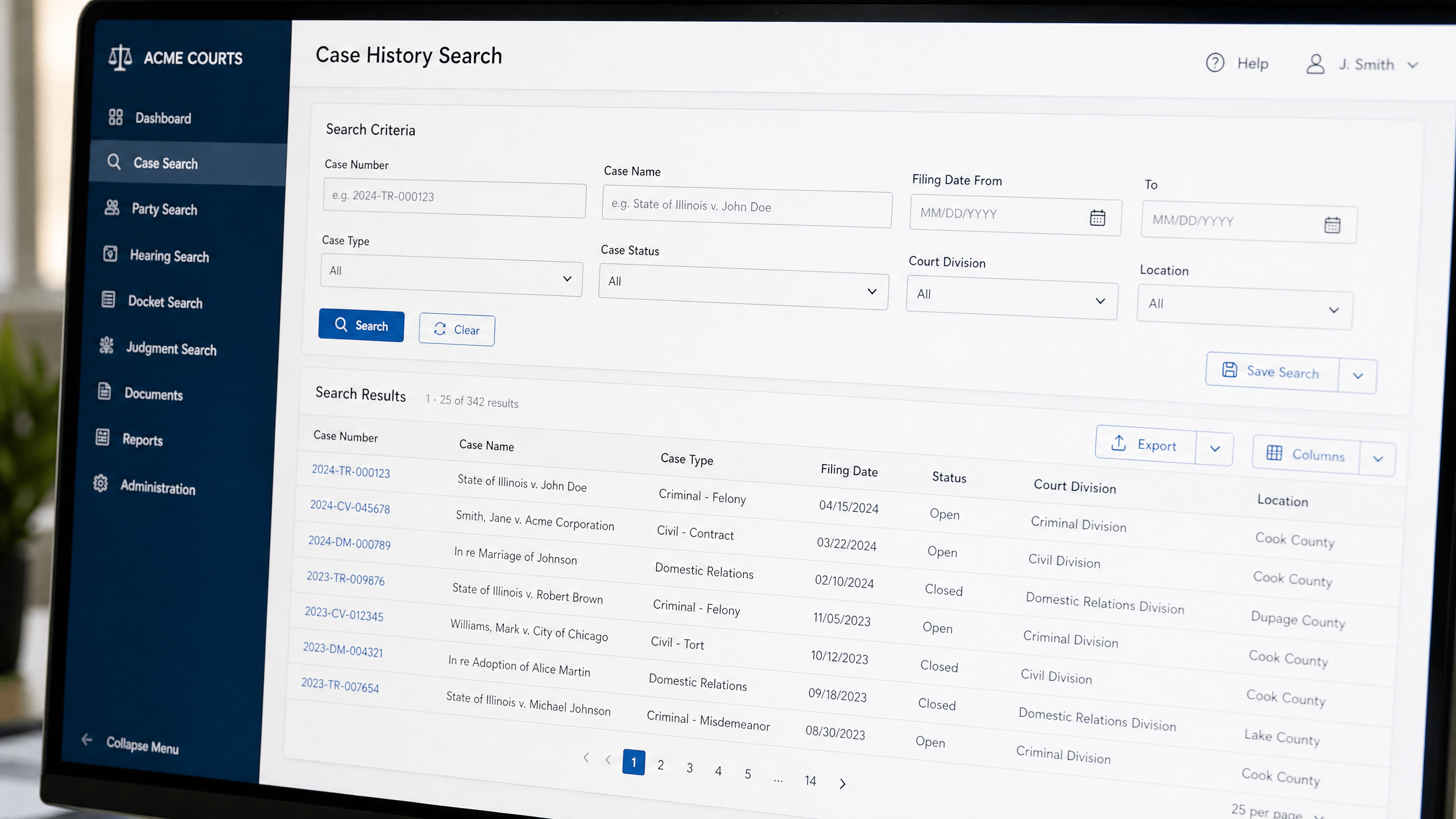
    A computer screen displaying a case history search interface, representing the Public Case History tool.
    Case history lookup: a neutral illustration for the appellate portal.

    The statewide Public Case History (PCH) service provides official, basic information about cases at the appellate level.

    • Where to find it: Use the Public Case History search tool online to look up appellate cases.
    • Primary questions this tool can answer: What is the basic status of an appellate case? What events have been recorded on the appellate docket? What case number is associated with a party or attorney?
    • What to know as you read: PCH reflects filings and events recorded by the appellate clerk’s offices. Docket entries show that something was filed or occurred but do not, by themselves, resolve disputed facts.

    Tool 4: Pending Case Report (what’s currently before the appellate courts)

    A report or document labeled 'Pending', symbolizing the Pending Case Report tool.
    Pending matters: a neutral illustration for tracking active cases.

    The appellate portal also provides a regularly updated Pending Case Report. This is a consolidated place to see matters listed as pending before Tennessee’s appellate courts.

    • Primary questions this tool can answer: Which cases are currently listed as pending? Where can I find a centralized, official snapshot of active appellate matters?
    • What to know as you read: A “pending” designation signals that the case remains active at the appellate level. For details on filings and dates, cross-reference the case in the Public Case History.

    Tool 5: Historical court records via the State Library & Archives

    An old, dusty legal archive or library, illustrating the State Library & Archives for historical court records.
    Historical records: a neutral illustration for archival research.

    Many older court materials are preserved by the Tennessee State Library & Archives (TSLA). The Library’s guidance explains how to identify and request historical court records and where those records may be housed.

    • Where to find it: See the TSLA FAQ on finding court records for research steps and contacts.
    • Primary questions this tool can answer: How do I locate older trial or appellate records? Which offices or archives keep particular time periods? What indexes or microfilm exist?
    • What to know as you research: Historical access depends on what was kept, where it was archived, and the condition of the materials. Expect variations across counties and time periods.

    Understanding limits and exceptions

    Public access is broad but not universal. Tennessee maintains an official database that catalogs statutory exceptions to the state’s public-records requirements. Before making a records request—or if something you seek is not available—consult the Public Records Exception Database to identify laws that may restrict disclosure. This database is a research aid and does not replace legal advice.

    Practical tips for reading court materials

    • Track by docket number: When possible, note the appellate docket number. It is the most reliable way to match opinions, dockets, and case-history entries.
    • Distinguish documents: Opinions and orders reflect judicial actions. Briefs, motions, and appendices reflect the parties’ positions or supporting materials.
    • Check dates and updates: Use release dates on opinions and event dates in Public Case History to understand sequence. Re-check links over time; pending matters change.
    • Mind confidentiality notices: If a resource indicates a record is unavailable or limited, consult the Exception Database to see if a statutory restriction may apply.

    Sources

    This article provides general information, not legal advice. Court rules, records, and legal consequences depend on the facts, the forum, and current law; consult a qualified lawyer for advice about a specific situation.


    General-information disclaimer: This article is provided for journalism and general information only. It is not legal advice and does not create an attorney-client relationship.

  • Where to find verified Tennessee court-access updates when no case roundup is warranted

    Where to find verified Tennessee court-access updates when no case roundup is warranted

    This neutral guide explains where to find verified Tennessee court access updates when there is no single case roundup to summarize. Some weeks, there is no single development that justifies a full case roundup. Yet access questions still matter: new opinions are posted, argument calendars change, and case histories update. When you need verified Tennessee court access updates without a narrative wrap-up, rely on statewide resources the judiciary maintains for public use.

    Start at the Tennessee Courts’ case-resources hub

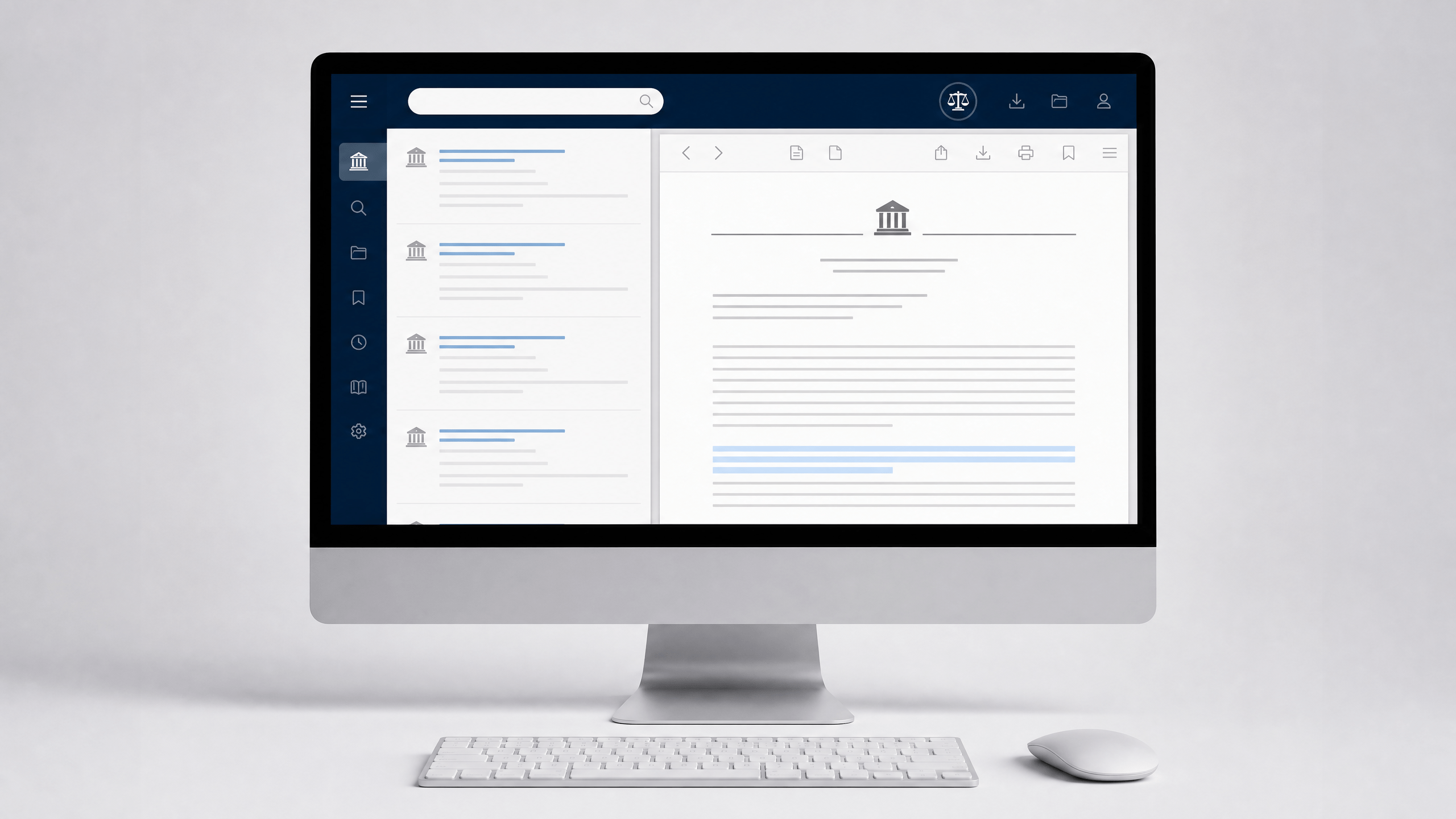
    A computer screen displaying a generic legal search portal, illustrating the appellate opinions database.
    Appellate search: a neutral illustration for finding recent opinions.

    The central landing page for official statewide tools is the Tennessee Courts case resources hub for appellate materials. From this page, you can reach searches for appellate opinions, find oral-argument calendars, review the Public Case History, and check the statewide Pending Case Report. Because the page is maintained by the judiciary, it is the most direct way to confirm status information related to appellate work, schedules, and docket activity.

    A printed argument calendar on a desk, illustrating the schedule of upcoming court sessions.
    Argument calendars: a neutral illustration for tracking upcoming sessions.

    Opinions: What posted decisions can (and cannot) tell you

    The opinions available through the courts’ system are authoritative statements of how a panel resolved the issues presented and why. They are not third-party summaries and should be read on their own terms. Opinions reflect the record and the law as of the date they are issued. Not every appeal will result in a new opinion, and some matters are resolved through orders or other dispositions that do not include a lengthy written decision. When you cite an opinion, be sure you are reading the complete document and noting dates carefully.

    Oral-argument dockets: Following the calendar

    Oral-argument dockets show when and where arguments are set to be heard. These calendars help explain stretches of time between major filings and any later decision. Calendars can change, so it is useful to recheck listings as the argument date approaches. When reviewing a calendar, note the case number, the parties, and the location; those identifiers will help you match what appears on the calendar to entries you see later in the case history.

    Public Case History: Reading docket activity responsibly

    The Public Case History consolidates core case information, such as filings, orders, and key dates. Treat docket text as a roadmap rather than a conclusion. If you are new to reading dockets, consider the following practices:

    • Distinguish filings from rulings. Briefs and motions are parties’ filings that state positions; orders and judgments are the court’s actions. Entry titles usually indicate which is which.
    • Use official dates and entry descriptions. The posted date shows when the item was recorded. The entry title signals its procedural role, which helps you understand what happened and when.
    • Verify with multiple entries. Significant developments may appear across more than one line (for example, an order followed by a notice setting argument). Read entries in sequence rather than in isolation.

    If you are unsure where to find these tools in one place, start from the state-maintained Public Case History and pending reports portal, which links to the docket history and other statewide resources.

    Pending Case Report: Understanding what is under submission

    The statewide Pending Case Report offers a snapshot of matters that remain under consideration. This is useful when stakeholders ask why a decision has not yet appeared. A pending status indicates continued judicial consideration; it does not forecast timing or outcomes. Timelines can vary based on the issues presented, the record, and the court’s workload. Checking the report alongside the docket can clarify whether the next public development is likely to be an opinion, an order, or a calendar entry.

    Short editorial visual: official legal folders and a generic search portal.

    Download the video transcript (TXT).

    Media access: Know the rules before you plan coverage

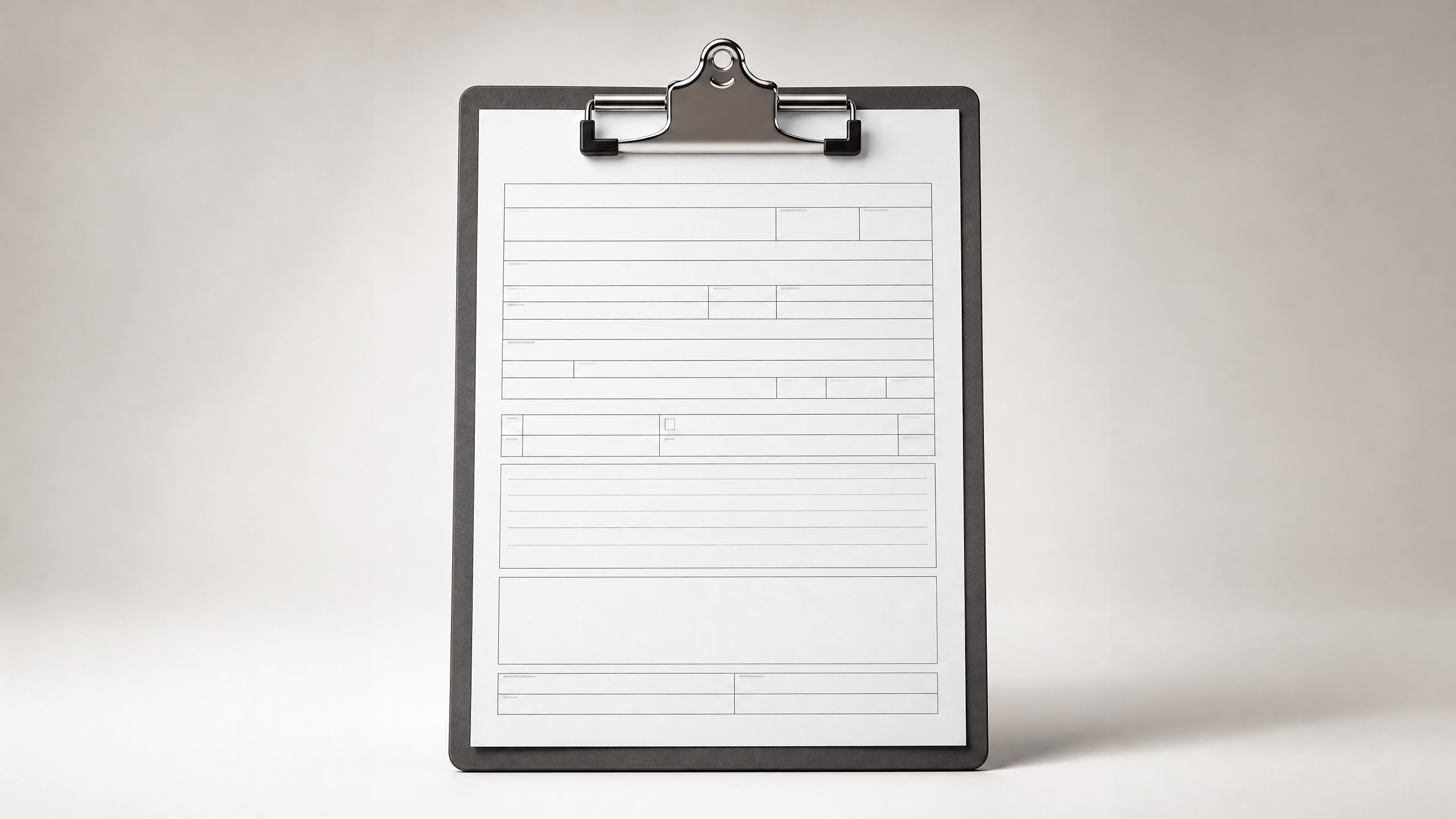
    A blank Rule 30 camera-request form, illustrating the process for media access.
    Rule 30 requests: a neutral illustration for media coverage rules.

    Questions about cameras, photography, or recording arise frequently. Before making any plan, review the judiciary’s official guidance on media coverage in Tennessee courts. The guidance explains how requests are handled and outlines the framework that applies in court settings. Understanding these materials in advance helps avoid misunderstandings about what is permitted and how to proceed when coverage is requested.

    How to monitor efficiently when news is incremental

    A reporter's notebook and pen, symbolizing the process of monitoring incremental updates.
    Monitoring updates: a neutral illustration for tracking incremental news.
    • Anchor your checks to the courts’ hub. Begin at the official Tennessee Courts case resources landing page so you are pulling information from primary sources.
    • Track by case number and parties. Consistent identifiers reduce confusion when different matters involve similar issues or names.
    • Scan for sequence and significance. In the Public Case History, read entries chronologically, noting which are filings versus court actions.
    • Calendar around oral arguments. Argument dates can explain periods of limited visible movement while a case is prepared for hearing.
    • Confirm status before reporting. Cross-check what you see in the docket against the statewide pending list to see whether a decision is still under consideration.
    • Keep notes on updates. Logging dates and entry titles helps ensure that routine monitoring produces clear, verifiable updates.

    These steps keep routine monitoring grounded in publicly posted primary sources. Even when there is no standalone story, readers and stakeholders benefit when updates draw from the same links the courts maintain.

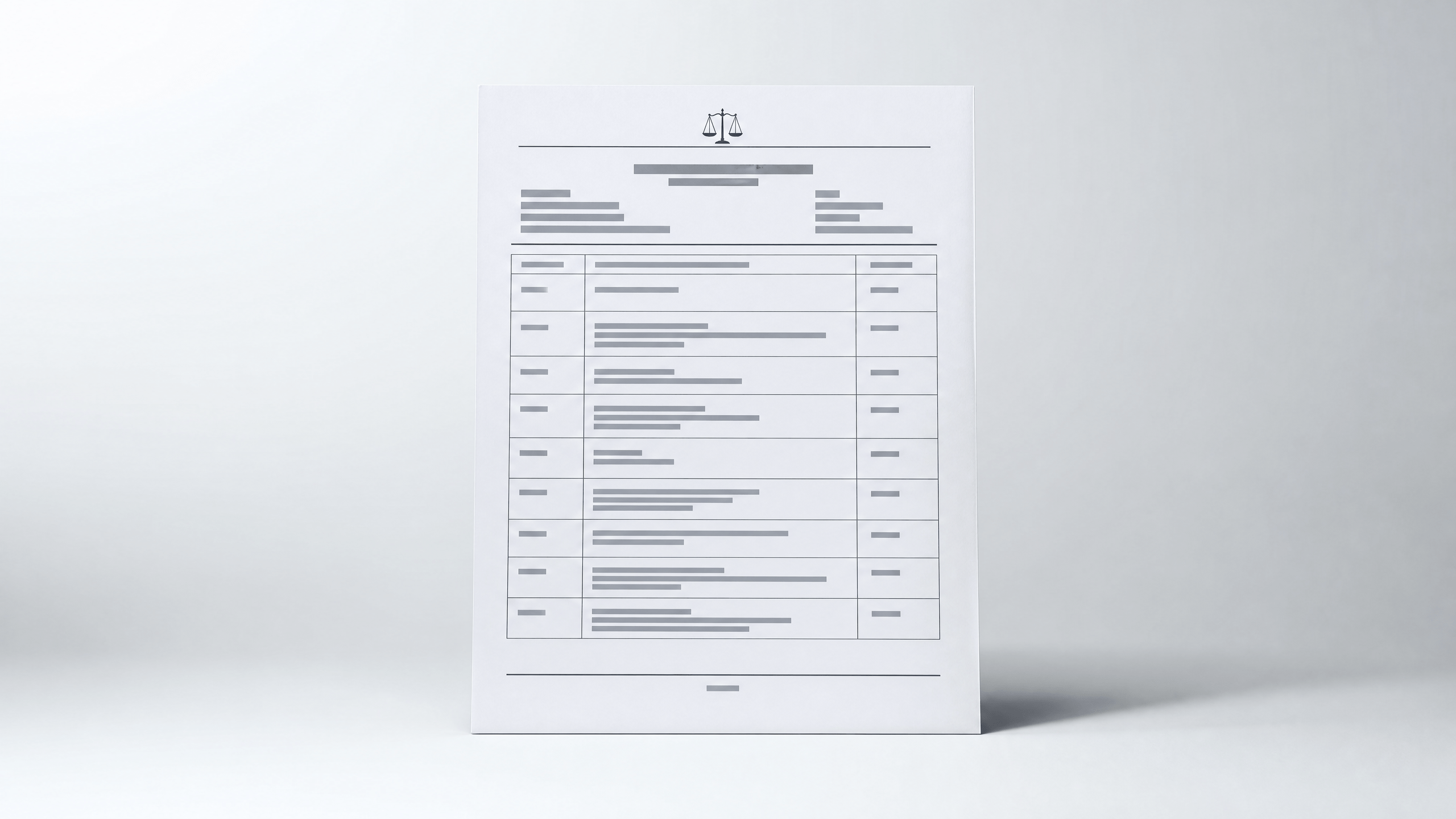
    A generic court docket printout, illustrating the public record of case filings.
    Docket updates: a neutral illustration for tracking case history.

    Sources

    This article provides general information, not legal advice. Court rules, records, and legal consequences depend on the facts, the forum, and current law; consult a qualified lawyer for advice about a specific situation.


    General-information disclaimer: This article is provided for journalism and general information only. It is not legal advice and does not create an attorney-client relationship.
  • Public Access to Appellate Arguments and Opinions in Tennessee

    Public Access to Appellate Arguments and Opinions in Tennessee

    Public Access to Appellate Arguments and Opinions in Tennessee

    Public access to court proceedings and decisions helps people understand how judicial institutions work. Tennessee’s appellate courts provide several official ways to find opinions, follow case histories, and in some circumstances watch oral arguments. Access is meaningful only when readers understand both the available records and the limits that may apply.

    A legal research desk with appellate case files, a court opinion, a laptop, and the Tennessee State Capitol in the background.
    Public access to appellate materials helps readers examine the records behind a court decision.

    Finding Appellate Opinions

    The Tennessee Administrative Office of the Courts maintains a Public Case History system for the Supreme Court, Court of Appeals, and Court of Criminal Appeals. The system can be used to search by case number, case style, party name, or organization. Its case pages may include a procedural history and public documents such as orders and opinions. The Court of Appeals also maintains an opinions page.

    When reporting an opinion, readers should begin with the official document rather than a summary. The caption, court, date, docket number, and disposition establish the basic frame. The procedural history and issue presented help explain what the court was deciding and what it was not deciding.

    A researcher compares a Tennessee appellate opinion with a procedural-history timeline and public case materials.
    Start with the official opinion and the case history before relying on a secondary summary.

    Watching Oral Argument

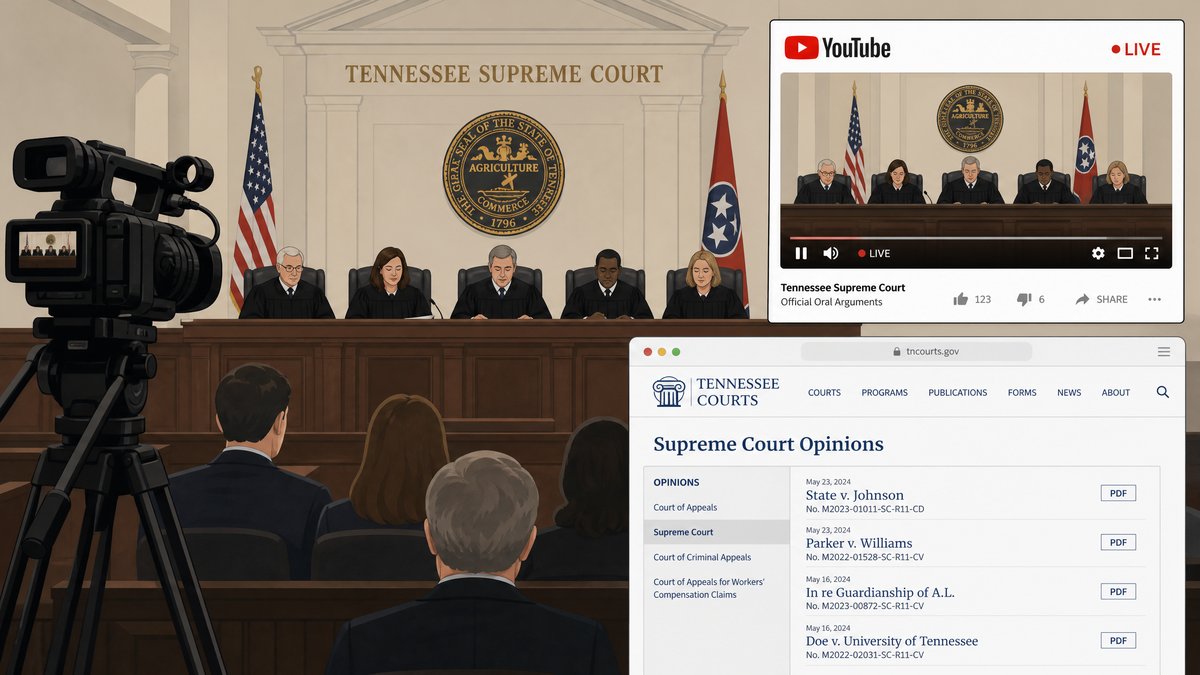
    The Tennessee Supreme Court makes many oral arguments available online through its court resources and streaming channels. Oral argument provides an opportunity to hear judges question attorneys about the governing law and the record. It should not, however, be treated as a decision. A question from the bench may test an argument; it is not a ruling. The opinion or formal order is the authoritative expression of the court’s disposition.

    A public view of a Tennessee appellate oral argument, with attorneys at lecterns and judges on the bench.
    Oral argument shows how judges examine legal questions, but the written opinion remains authoritative.

    Public Access Has Limits

    Tennessee Supreme Court Rule 34 addresses public access to court records. It recognizes categories of court records while also identifying records or portions of records that are not open for public inspection. Sealed materials, information protected by rule or law, and deliberative materials may be unavailable. A public docket entry may therefore show that a filing exists without making every underlying document publicly accessible.

    For journalists and researchers, the appropriate response to an unavailable record is not speculation. Explain what is publicly available, identify the source of the information used, and be clear about what the public record does not establish. That approach respects both open-courts values and legitimate restrictions designed to protect sensitive information or the integrity of the judicial process.

    An open court file beside a sealed folder, a rulebook, and a privacy shield representing limits on public court-record access.
    Open-courts access is important, but sealed and protected records require careful, non-speculative reporting.

    A Responsible Research Checklist

    • Use the official court site and public case history before relying on secondary summaries.
    • Record the case number, court, date, and document title.
    • Distinguish allegations in a filing from findings in an opinion or order.
    • Check whether an opinion has later history, including rehearing or further review.
    • Do not infer the contents of sealed or unavailable records.

    Readers should also distinguish access from interpretation. A filing, an oral-argument recording, and a final opinion have different legal and editorial significance. Linking each claim to the appropriate official record makes a story more transparent and makes it easier for the public to see what supports a particular conclusion.

    Disclaimer

    This article offers general public-information guidance and is not legal advice. Access to particular records may depend on court rules, orders, and applicable law.

    Sources

    Related reading: Tennessee Rule 30 media coverage.