Reporting on Pending Cases: Navigating Tennessee’s Fair Report Privilege
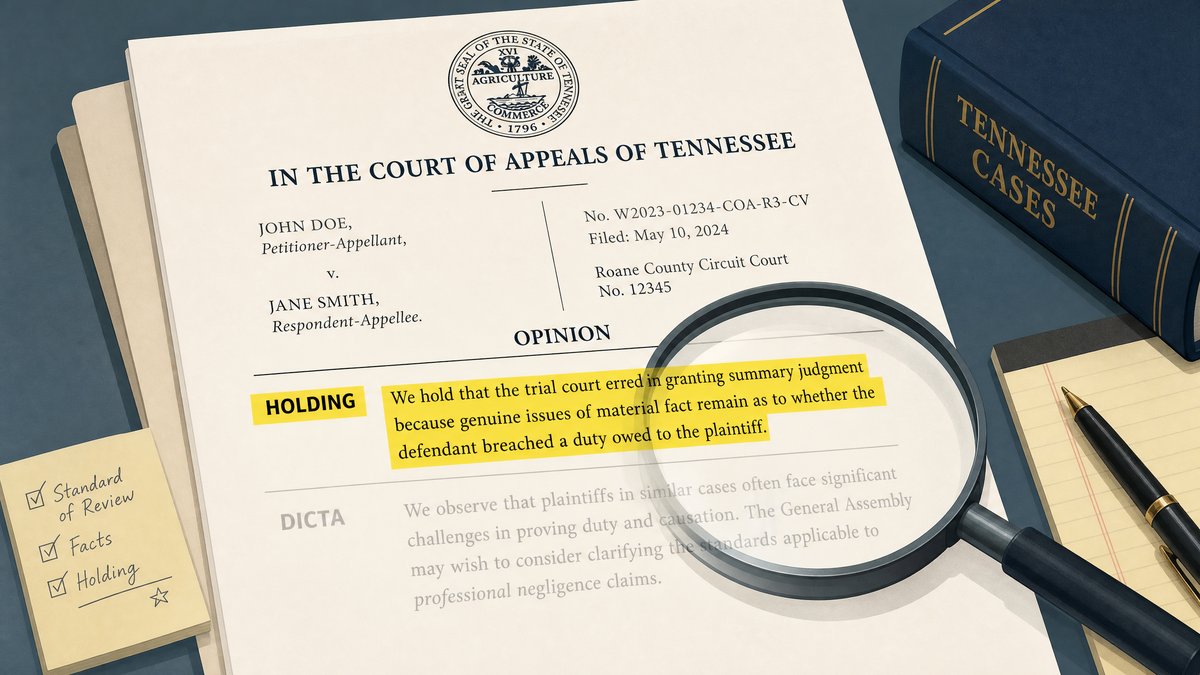
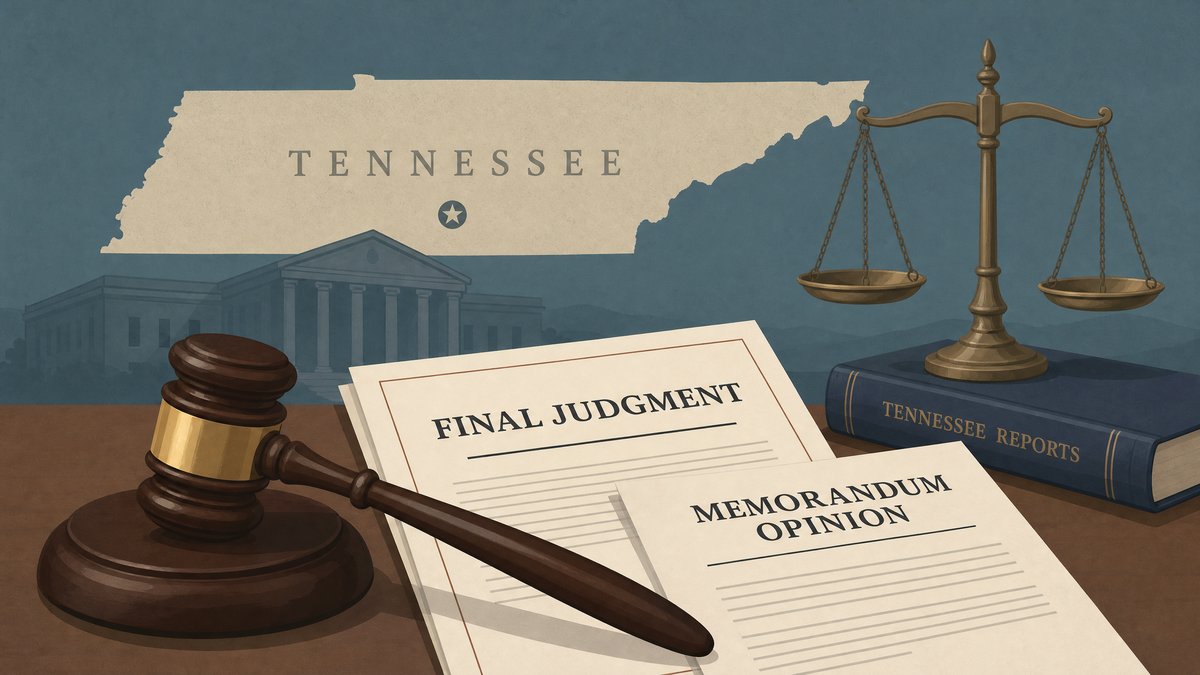
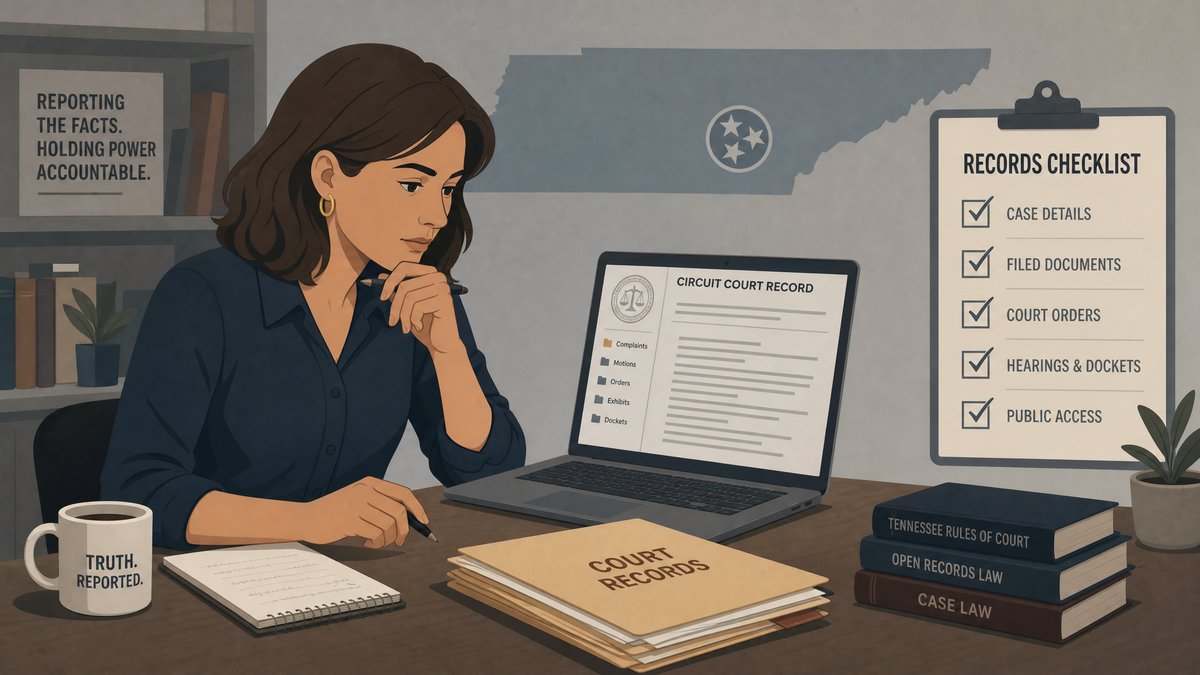
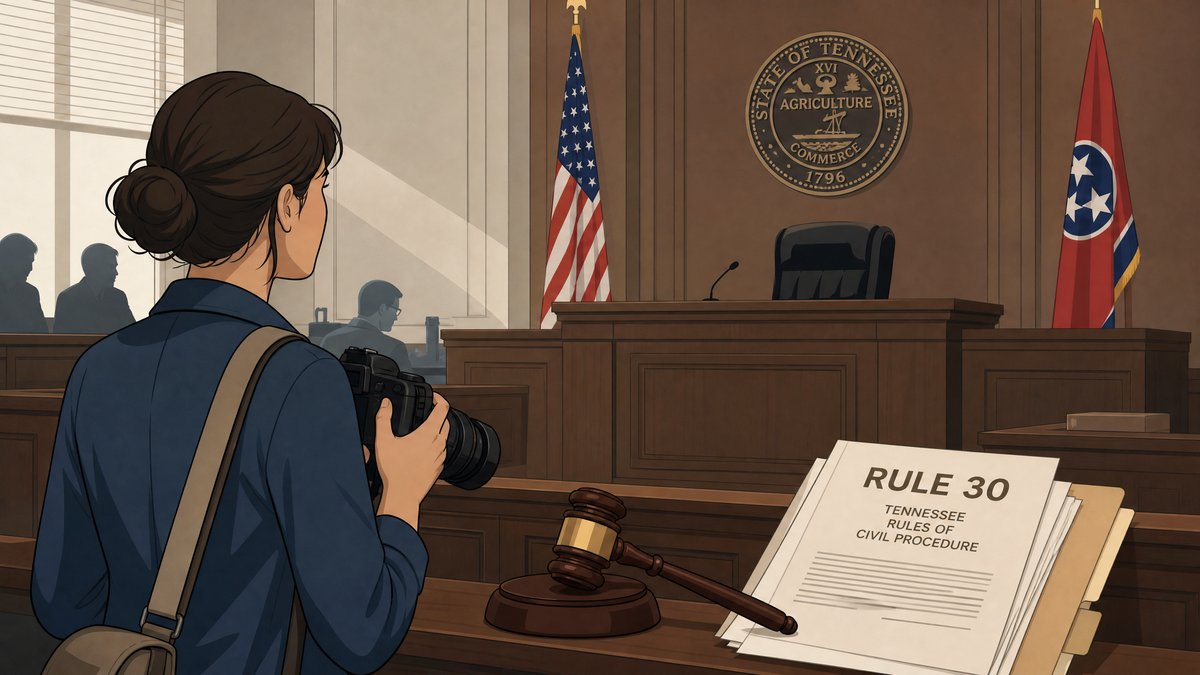
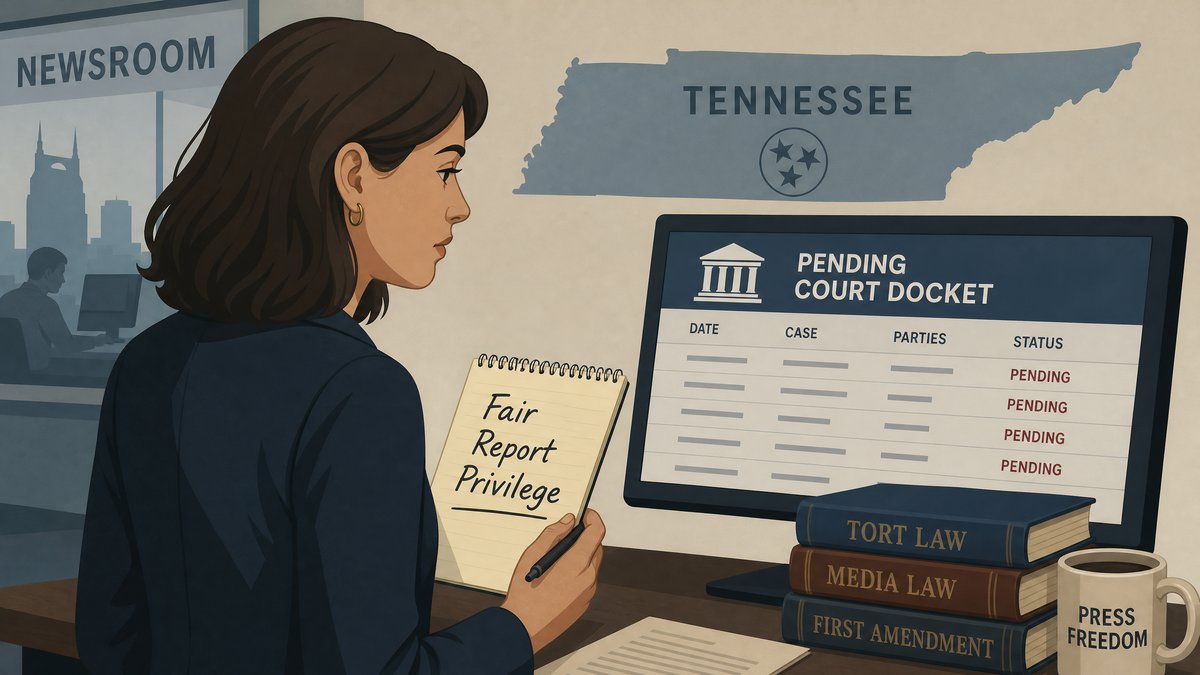
Journalists play a crucial role in informing the public about legal proceedings, but reporting on pending cases presents unique challenges, particularly concerning potential defamation claims. In Tennessee, the fair report privilege offers significant protection to journalists, allowing them to report on official acts and public proceedings without fear of liability, provided certain conditions are met. This explainer delves into the scope and limitations of this vital privilege, offering clarity for those covering the state’s legal landscape.
The fair report privilege is a common law defense that shields journalists from defamation lawsuits when they accurately and fairly report on official government actions or public judicial proceedings. Its fundamental purpose is to ensure transparency in government and judicial functions, allowing the public to be informed about matters of public record. A cornerstone of this privilege in Tennessee is that it cannot be defeated by proving malice. This means that even if a journalist harbored ill will or intent to harm, the privilege still applies as long as the report itself is fair and accurate and concerns an official act or public proceeding.

Scope and Limitations of the Privilege
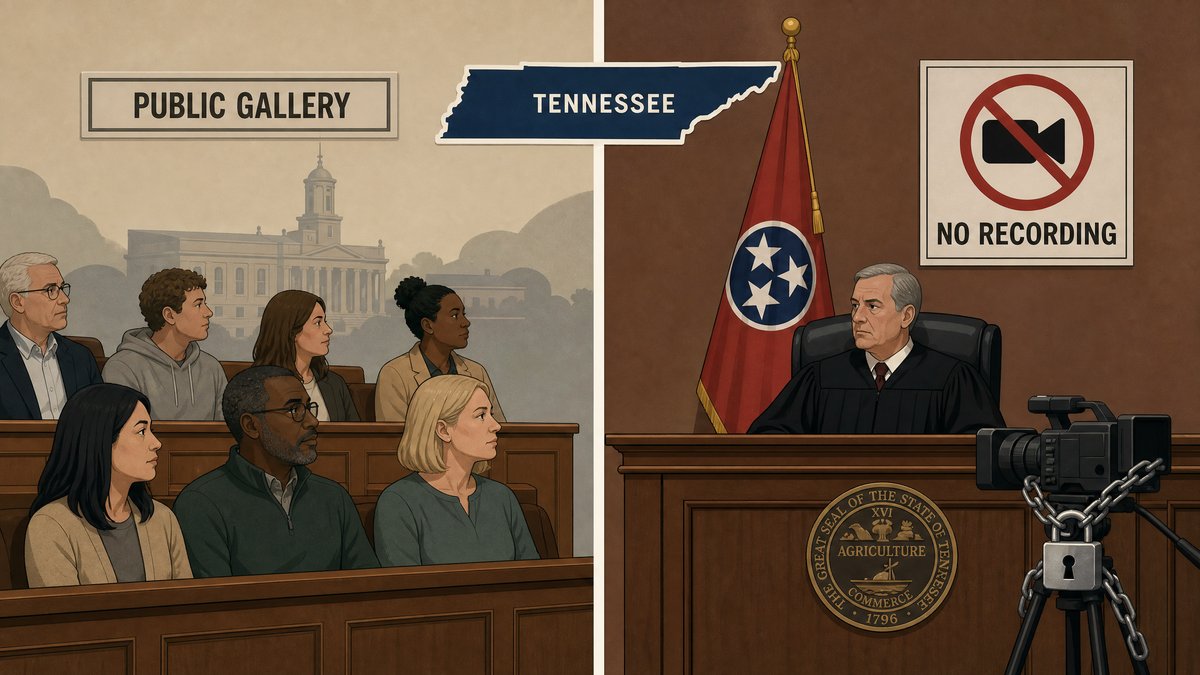
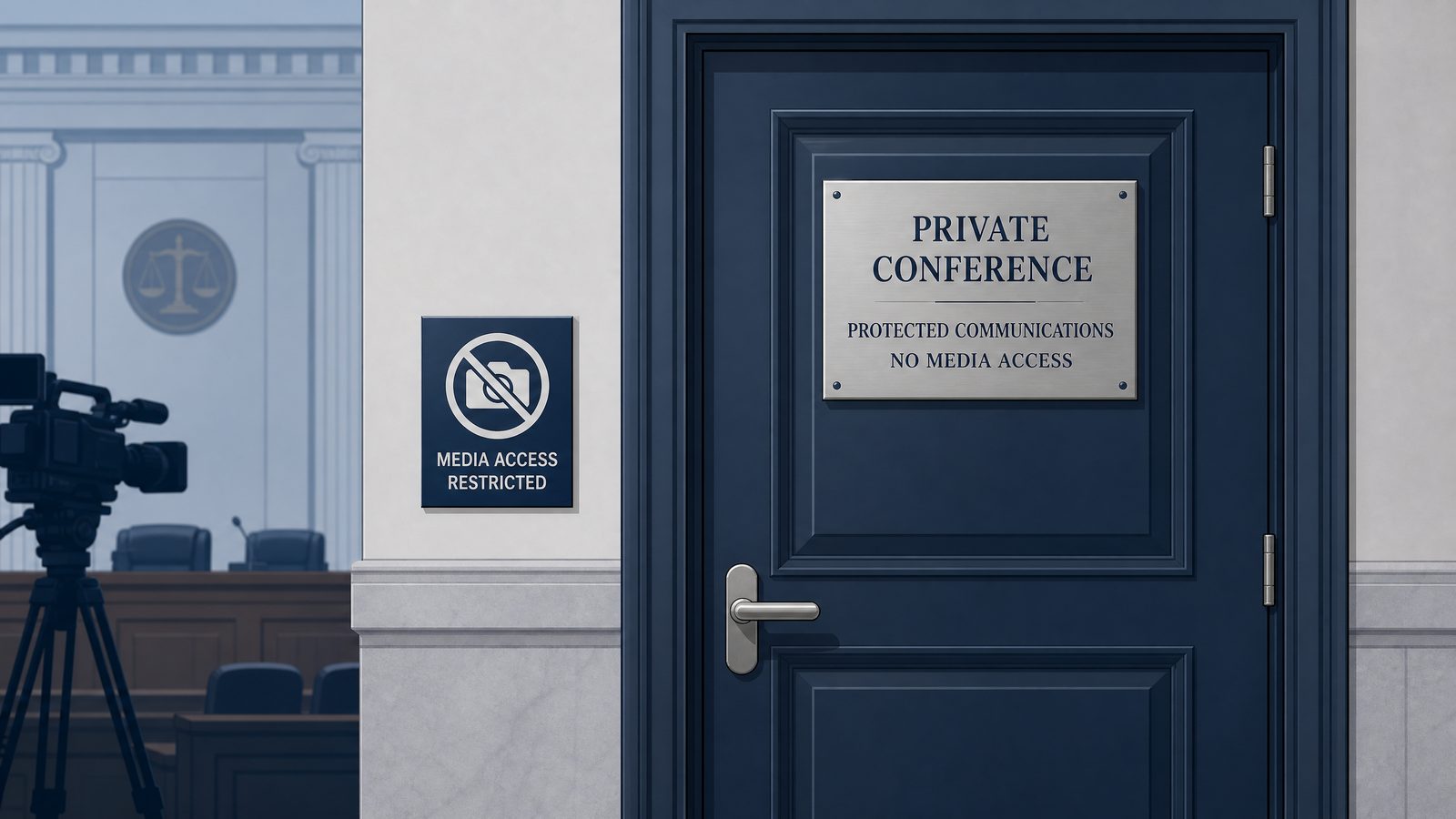
While robust, the fair report privilege is not absolute and comes with important limitations. Crucially, the privilege does not extend to nonpublic, one-on-one conversations with officials. This distinction was underscored by the Tennessee Supreme Court, clarifying that private interviews, even with public officials discussing official matters, do not fall under the umbrella of protection. The rationale is that the privilege is designed to protect reports of public records and proceedings, not private disclosures that lack the same public scrutiny or official documentation.
For a report to qualify for protection under the fair report privilege, it must be both fair and accurate. Fairness implies that the report provides a balanced account of the official act or proceeding, without distortion or undue emphasis that would create a false impression. Accuracy requires that the report truthfully reflects what occurred or was stated in the official context. Journalists must diligently ensure their reporting meets these standards to invoke the privilege successfully.

Interaction with Tennessee’s Media Shield Law
An important consideration for journalists in Tennessee is the interaction between the fair report privilege and the state’s media shield law. Should a journalist raise the fair report privilege as a defense in a defamation case, it may, under certain circumstances, require the identification of sources. However, it is critical to understand that this potential requirement to identify sources does not compel the disclosure of the actual information provided by those sources. The media shield law generally protects the confidentiality of source material, even if the source’s identity must be revealed to assert a defense.
Practical Cautions for Journalists
To effectively utilize the fair report privilege and avoid potential legal pitfalls, journalists covering Tennessee’s legal system should adhere to several key cautions:
- Ensure Fairness and Accuracy: Always verify that reports of official acts and proceedings are fair and accurate. Any misrepresentation or selective reporting could jeopardize the privilege.
- Distinguish Public from Private: Be acutely aware that the privilege does not cover private interviews, even if conducted with public officials discussing their duties. Information obtained through such channels should be handled with extra scrutiny.
- Source Identification vs. Content: Understand that claiming the privilege as a defense might necessitate identifying sources, but it does not automatically require revealing the content of their statements.
- Verify Seal Status: Before reporting on information from official proceedings, verify whether that information was under seal at the time of reporting. Reporting on sealed information, even if from an official proceeding, may not be protected.
By understanding and meticulously applying the principles of Tennessee’s fair report privilege, journalists can continue to provide essential public-interest reporting on legal cases, upholding their role as watchdogs while navigating the complexities of defamation law.
Primary Sources
- Tennessee Supreme Court Rules Malice Does Not Defeat Fair Report Privilege
- Supreme Court Rules Fair Report Privilege Does Not Apply To Nonpublic Interviews
Note: This article provides public-interest journalism and general information about Tennessee legal processes. It is not legal advice. If you have a specific legal question, consult a qualified attorney.

Related reading: Tennessee fair-report privilege decision in Burke v. Sparta.