Stop Legal Harassment

Court access · Free expression · Accountability

Tag: bill tracking

  • August document desk: five primary Tennessee sources to keep in a public-interest reading file

    August document desk: five primary Tennessee sources to keep in a public-interest reading file

    For accountability reporting in Tennessee, a reliable reading file starts with a few primary sources that explain how courts and lawmakers operate and how professional conduct is enforced. The five resources below come directly from official state websites. They can help you locate appellate materials, understand lawyer discipline rules, follow legislation, navigate courtroom coverage protocols, and review the judiciary’s annual work.

    1) Appellate case materials and tools

    The statewide hub for appellate information is the Tennessee Courts’ appellate case resources page. This page consolidates links for the public to access materials related to appellate proceedings. When using it for accountability work:

    • Start with the official materials linked there, and note the court, case title, and decision date before quoting or summarizing.
    • Distinguish between filings or briefs (positions and allegations), court orders (directions and procedural rulings), and final opinions (authoritative appellate decisions).
    • If you download documents, label them with the court, case number, and date to preserve context.

    2) Lawyer discipline framework

    Attorney regulation in Tennessee is governed by the Supreme Court’s rules. Supreme Court guidance on disciplinary enforcement sets out the framework for disciplinary enforcement. For reader files and newsroom SOPs:
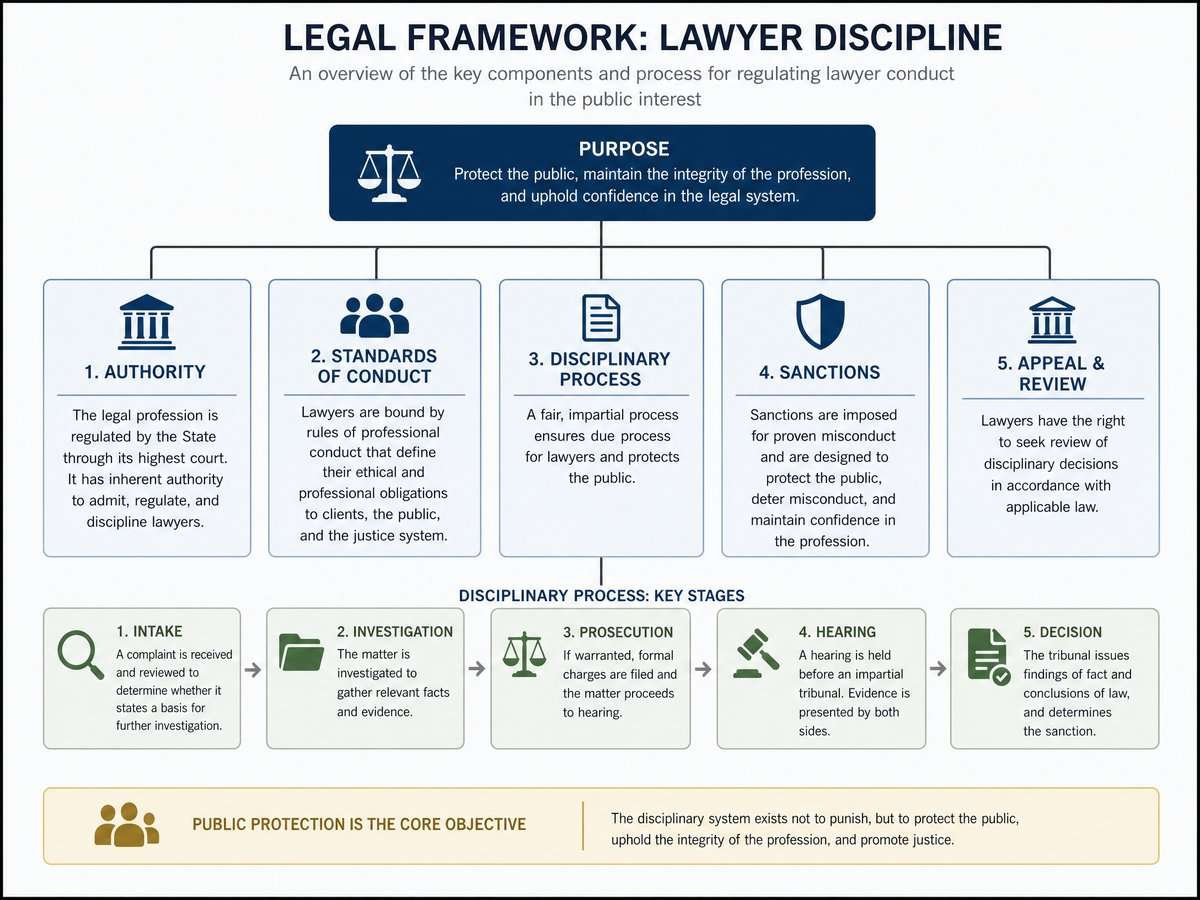
    • Use the rule to understand the structure and processes that apply in disciplinary matters, including how enforcement is organized and what procedural steps are contemplated under the rule.
    • When referencing discipline, quote the rule section you rely on and include the access date; rules are periodically amended.
    • Keep regulatory materials separate from case-specific filings so you can clearly tell readers when you are citing a rule versus describing allegations in a disciplinary record.

    3) Legislative tracking and calendars

    Many court-impacting changes begin at the legislature. The Tennessee General Assembly’s public portal for bills and committees is the official gateway for bills, schedules, and committee information. For public-interest coverage:
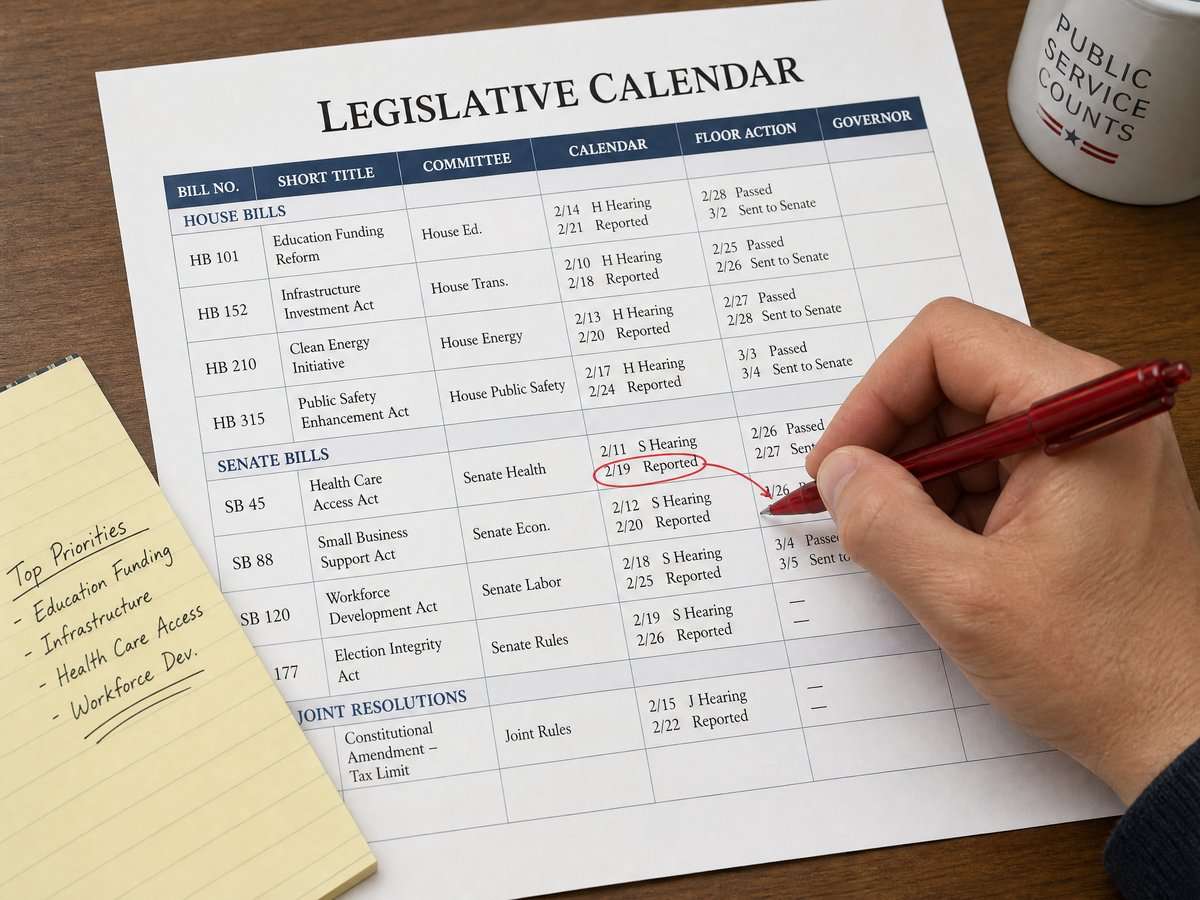
    • Use the portal to locate bill text and to follow actions taken on measures over time.
    • When citing a bill, identify the bill number, the version date, and the last recorded action to avoid confusing draft language with the most current text.
    • Cross-check committee calendars against bill histories when reporting on upcoming hearings or past votes.

    4) Rules for cameras and recording in court

    Journalists should review the judiciary’s guidance before planning any coverage in courtrooms. The Tennessee Courts’ media coverage rules and resources explain how photographing, recording, or broadcasting is handled in Tennessee courts. Practical pointers:


    Download the video transcript (PDF).

    • Read the statewide rules and any linked forms or instructions about requests and limitations.
    • Note that judges manage proceedings and may impose conditions consistent with the guidance; plan ahead and communicate early.
    • Document your compliance steps in your reporting notes (request timing, approvals, and any limits) for transparency with editors and readers.

    5) Annual overview of the judiciary’s work

    For a year-by-year snapshot of court operations, consult the official 2025 Tennessee Judiciary Annual Report. This publication provides a statewide overview of the judiciary’s structure and activity for the fiscal year. How to use it:
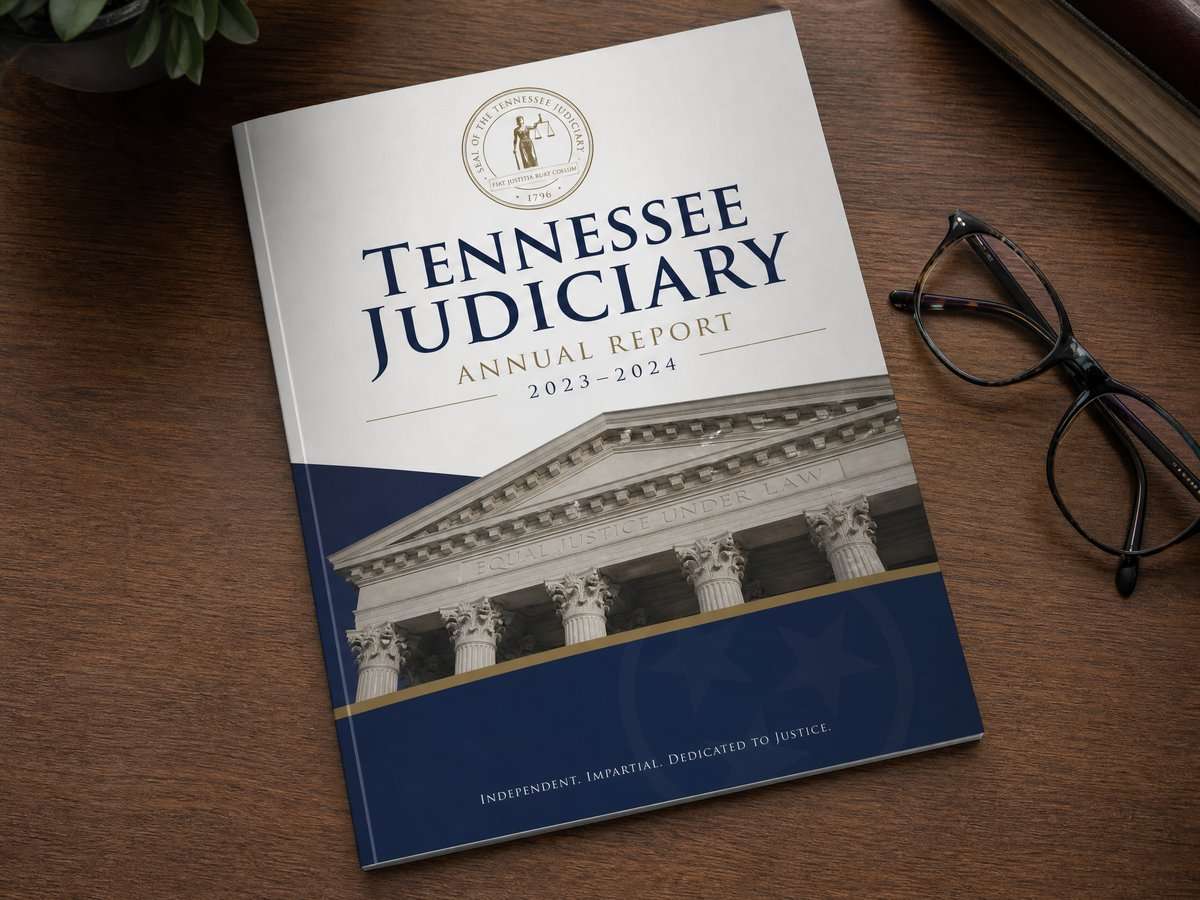
    • Orient new reporters to the court system’s organization and programs before diving into case-level stories.
    • Use the report to frame trend questions and to identify which courts or programs to watch, then return to primary case materials for specifics.
    • Cite the report title and fiscal year when referencing sections, and avoid extrapolating beyond what the publication states.

    Working principles for reading primary sources

    • Verify document type and posture: an allegation or brief states a party’s position; an order directs procedure; an opinion interprets and applies law.
    • Check dates and versions on rules, opinions, and bills. If you quote language, capture the version date and where it appears.
    • Preserve context by saving PDFs with descriptive filenames and keeping a simple source log (URL, date accessed, and a one-line description).
    • Link to official sources with descriptive anchors so readers can evaluate primary documents themselves.
    • Respect court and media-coverage rules in planning; protocol missteps can affect access.

    Sources

    This article provides general information, not legal advice. Court rules, records, and legal consequences depend on the facts, the forum, and current law; consult a qualified lawyer for advice about a specific situation.


    General-information disclaimer: This article is provided for journalism and general information only. It is not legal advice and does not create an attorney-client relationship.
  • How to follow a Tennessee bill through official records during a legislative recess

    How to follow a Tennessee bill through official records during a legislative recess

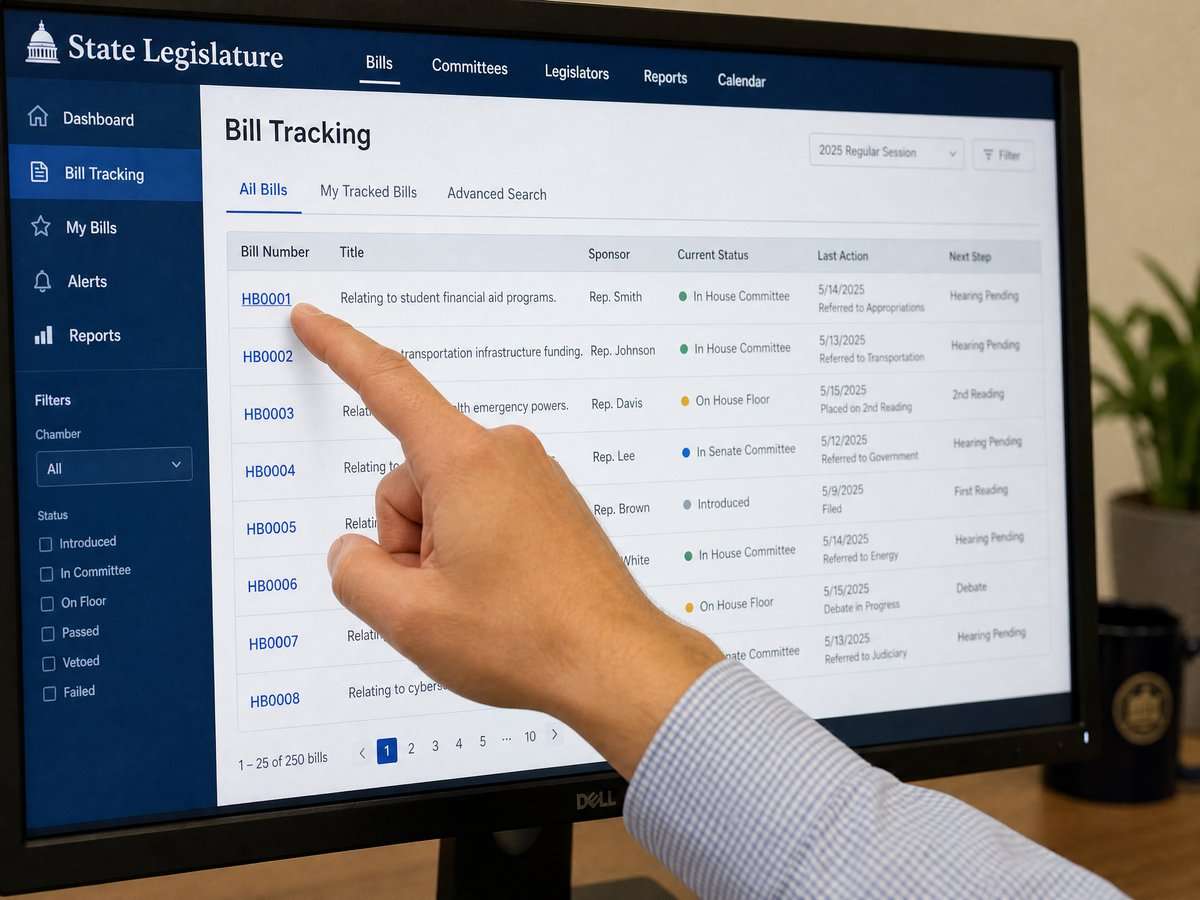
    When the Tennessee General Assembly is in recess, it can feel like legislative activity has paused. The public record, however, remains available. You can still find bills, read what actions have been recorded, and prepare for the next convening using the state’s official online tools. This guide explains how to use Tennessee bill tracking official records to understand where a bill stands during a recess and what to look for on the state’s websites.

    What a legislative recess means for public records

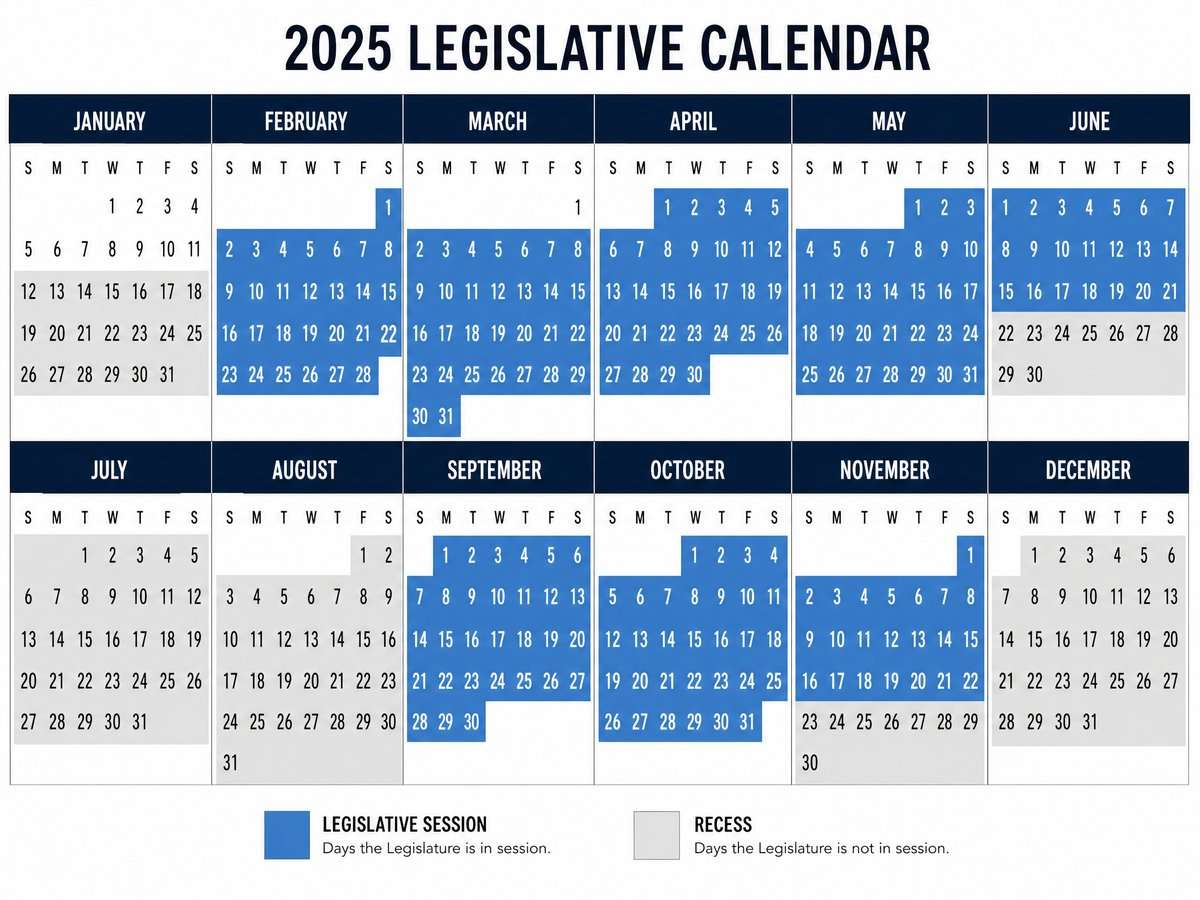
    A recess is a period when the legislature is not meeting for floor sessions and most committee work. While new actions are less frequent, the status of bills and their histories remain part of the official record. During a recess you can review what has already been filed, how far a proposal progressed, and what the last recorded action was before the break. That gives you a reliable snapshot to return to when the General Assembly resumes.

    Start at the official Tennessee General Assembly portal

    The state’s central entry point for legislative information is the Tennessee General Assembly’s official website. As a point-in-time note, site layouts and menus can change, but the homepage remains the gateway to bill information and session resources. Begin here to orient yourself and navigate to search tools and session materials: Tennessee General Assembly official homepage.

    From the homepage, look for links or menus that reference bills, legislation, or search functions. If the homepage layout has changed since your last visit, use the main navigation to locate bill search features or session archives. Because the site is the official host for legislative records, it is the best available place to confirm a bill’s text, status, and recorded actions.

    Use Advanced Bill Search to find a bill

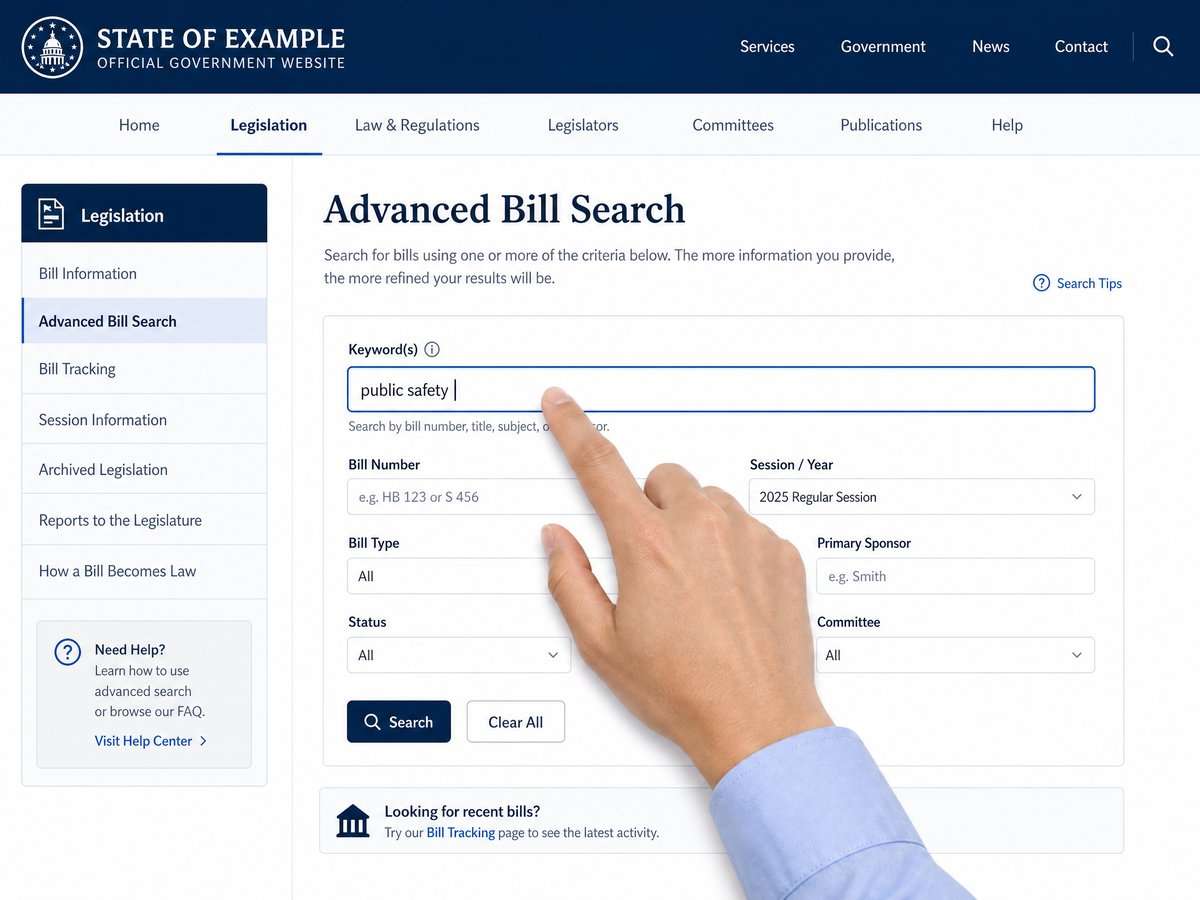
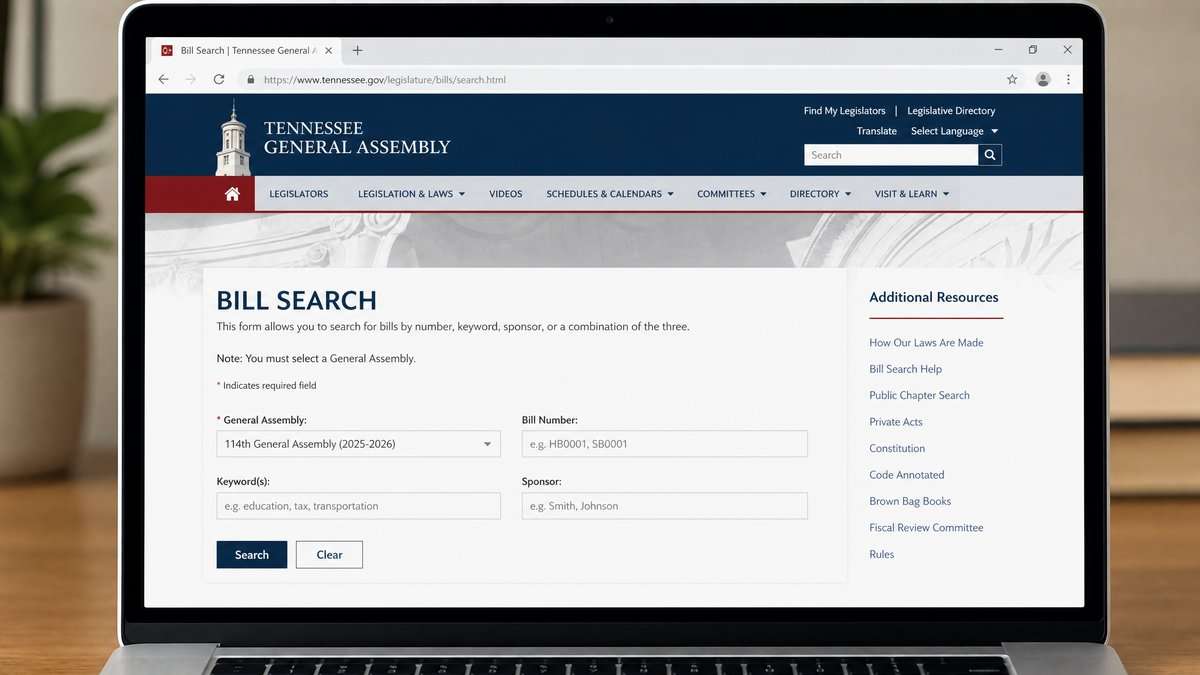
    Tennessee provides an advanced search page that lets you look up bills from the current General Assembly and archived assemblies. This is useful during recesses because you can retrieve bill pages and read their recorded histories even when no new actions are being posted. Access it here: Tennessee Advanced Bill Search for current and archived sessions.

    Basic steps on the Advanced Bill Search page

    1. Open the search page and select the assembly or session you want to review, if that option is presented. The page covers the 114th General Assembly and archived sessions.
    2. Enter a bill number if you know it, or use a keyword that appears in the bill’s caption or subject. You can also try sponsor names or other fields shown on the page.
    3. Apply any filters that are available (for example, chamber or session year, if listed), then run your search to display matching bills.
    4. Click the specific bill in the results to open its dedicated bill page, which will display the official record for that proposal.

    If you are unfamiliar with bill numbering, note that Tennessee uses different prefixes for proposals originating in each chamber. When in doubt, use a keyword search on the same page to surface likely matches and then confirm you have the correct bill by checking the bill caption and sponsor information on the bill’s page.

    Read the bill page like a public record

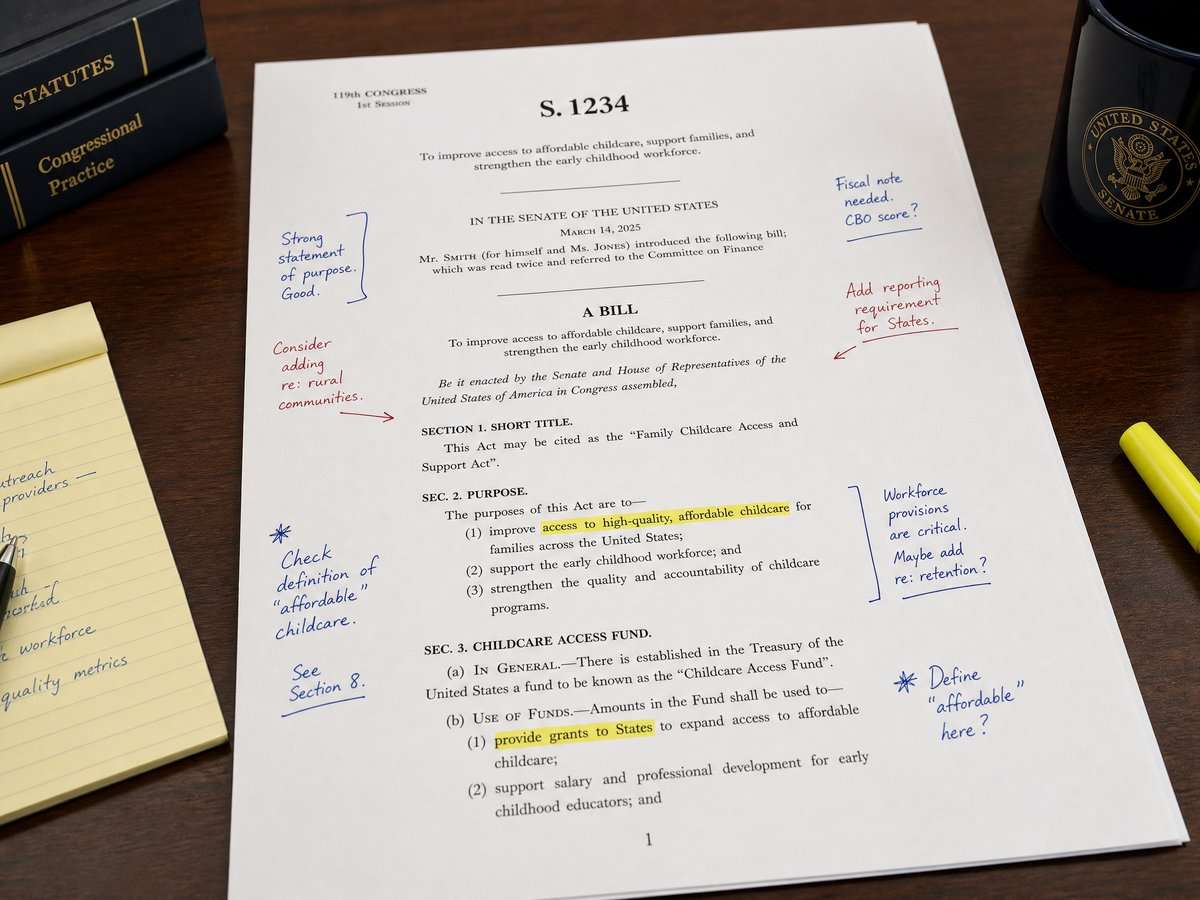
    Each bill page on the official site is a public record of the bill’s content and what the legislature has recorded about it. While page layouts can vary over time, bill pages commonly present several types of information:


    Download the video transcript (PDF).

    • Identification and caption: The bill number and a brief description or caption of the bill’s subject.
    • Sponsor information: Names of the legislators who sponsored or co-sponsored the bill.
    • Text or versions: Links to the bill text, sometimes in more than one version, reflecting filed or amended language.
    • Actions or history: A chronological list of dated steps that have been officially recorded for the bill.

    During a recess, the most telling field is usually the last recorded action and its date. That entry indicates where the official process paused. Keep track of that last action so you can quickly see what has changed when you check back.

    Map the process through the record trail

    Even without live floor sessions, the official bill page can help you understand where a bill stands in the broader process. Tennessee’s legislative process involves multiple stages reflected in the record trail, including introduction, referral to committees, consideration by each chamber, and final steps related to enactment. You do not need insider knowledge to follow this path; the record entries on the bill page provide the structure. When reading, focus on:

    • Sequence: Entries are typically in chronological order. Read from the first recorded action forward to see the path taken.
    • Chamber context: Entries may indicate whether an action occurred in the House or Senate. This helps you place the step within the overall bicameral process.
    • Noted transitions: Look for entries that indicate movement between committees or between chambers, as these often mark major procedural milestones.
    • Final disposition cues: Near the end of a bill’s record, look for entries that signal completion steps, such as transmission to the executive branch or notations showing that the proposal concluded the session without further action. The exact phrasing can vary; rely on how the entry is labeled on the page you are viewing.

    Because you are working from official records, use the language as it appears on the page instead of trying to translate it into informal terms. If an action label is unfamiliar, note it and check back later; additional entries posted when the General Assembly reconvenes may clarify what happened next.

    Practical tracking during a recess

    Even if the pace of postings is slower during a recess, you can set yourself up to track a bill efficiently:

    • Bookmark the bill page: Save the URL of each bill you care about. Every official update to that bill’s record will appear on the same page.
    • Save the official text: If the page provides links to bill text, download the current version so you have a reference copy for comparison when a new version appears.
    • Record the last action and date: Keep a short note with the most recent recorded step and its date. This lets you quickly verify whether anything has changed when you return.
    • Schedule periodic check-ins: During long recesses, pick a cadence (for example, monthly) to revisit the bill page. When the Assembly returns, check more frequently while agendas and actions are being posted.
    • Use consistent searches: If you track several related proposals, build a standard keyword query on the search page and rerun it each time. Start here: Advanced Bill Search on the official website.

    Finding archived bills and prior sessions

    Context matters. If a bill topic appears regularly, it can help to review how similar proposals fared in previous assemblies. Tennessee’s advanced search page includes access to archived sessions, allowing you to see earlier text and recorded actions for prior bills. Use the session or assembly selector, if offered, to navigate across years: Tennessee Advanced Bill Search for archived material.

    When comparing bills across years, read the captions carefully and confirm you are looking at the correct chamber and session. Bills that sound similar can pursue different approaches; the official text and the recorded actions on each bill page are your anchors for accurate comparison.

    Tips for reading official bill texts and actions

    • Prefer original sources: When in doubt, go back to the official pages on the state’s site. Begin at the homepage and work inward to the specific bill page referenced above.
    • Distinguish summaries from text: A caption or summary helps with orientation, but the officially posted bill text controls what the proposal would change.
    • Note version changes: If the page shows more than one version, compare the titles, dates, and any listed identifiers so you know which document you are reading.
    • Track by dates: Dates on action entries are crucial. They provide the timeline of recorded steps, which is especially helpful when no new actions are posted during recess.
    • Use consistent terminology: When you take notes, copy the wording of action labels as they appear on the page. This reduces confusion later and makes it easier to search.

    Plan your next steps when the Assembly reconvenes

    During recess, your goal is to get oriented: identify the bill pages, note the last recorded actions, and collect the current texts. When the General Assembly returns, you can continue tracking by revisiting the same official pages for updates. If the site’s menus or labels look different at that time, start at the homepage and follow the most current navigation to bills and search tools: Official Tennessee General Assembly home portal.

    If the website looks different from these descriptions

    Public websites evolve. As a point-in-time statement, the links in this guide point to the state’s official portals for legislative information. Page design, labels, and navigation can change without notice. If you see a different layout, look for similarly named links to bills, legislation, or search tools on the official homepage, or use the advanced search link referenced above.

    Why official records matter for transparency

    Official bill pages are primary sources: they present the state’s record of what has been filed and what actions have been recorded. Using them helps avoid confusion from unofficial summaries or social media posts. During a legislative recess, the record may not change often, but the information that is posted remains authoritative for that point in time. By bookmarking the bill page, saving the current text, and noting the last recorded action, you can pick up right where you left off when the Assembly returns to active business.

    Sources

    This article provides general information, not legal advice. Court rules, records, and legal consequences depend on the facts, the forum, and current law; consult a qualified lawyer for advice about a specific situation.


    General-information disclaimer: This article is provided for journalism and general information only. It is not legal advice and does not create an attorney-client relationship.
  • How a Bill Becomes a Tennessee Law—and How to Follow Its Changes

    How a Bill Becomes a Tennessee Law—and How to Follow Its Changes

    How a Bill Becomes a Tennessee Law—and How to Follow Its Changes

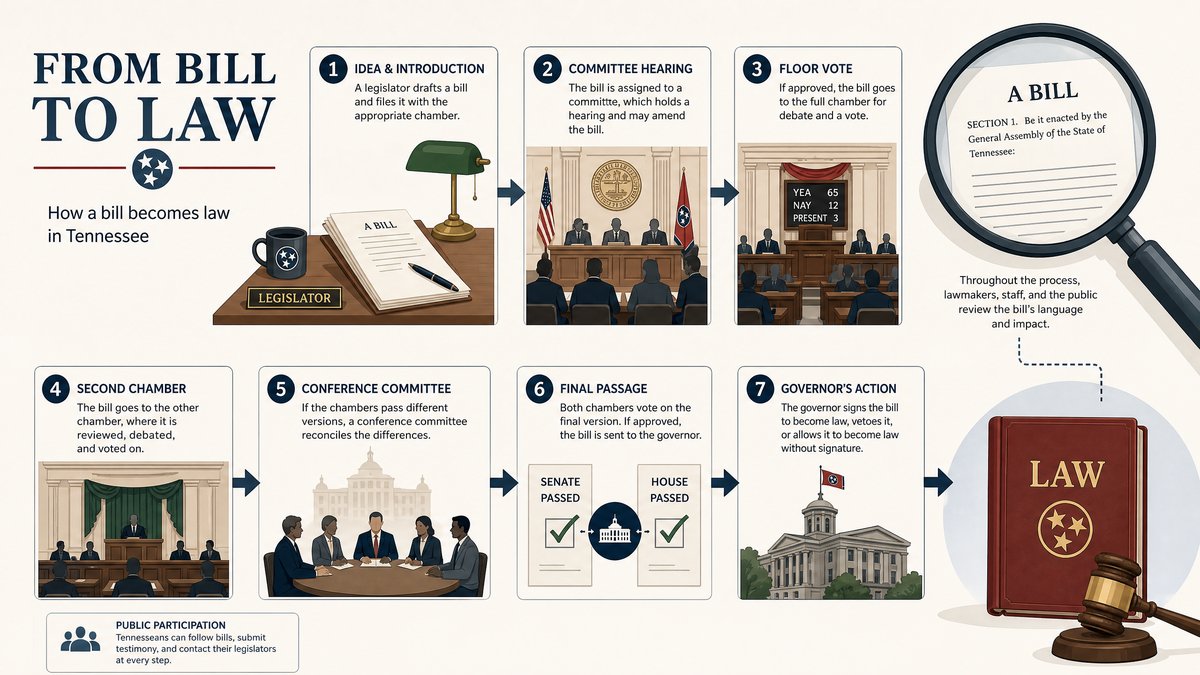
    Understanding the legislative process is crucial for any engaged citizen, especially when it comes to state-level governance. In Tennessee, the journey of a bill from an idea to a law is a multi-step process involving both chambers of the General Assembly and the Governor. This article will demystify this process and provide guidance on how to effectively track legislative changes.

    The Path of a Bill: From Introduction to Law

    The Tennessee General Assembly operates on a two-year legislative session, convening in January of odd-numbered years. The process begins with the introduction of a bill by a legislator in either the House of Representatives or the Senate. Often, identical bills, known as “companion bills,” are introduced in both chambers simultaneously to expedite the process.

    Empty hearing room with curved wooden bench and microphones; table holds a stack of folders, a closed notebook, two pencils and a glass.
    An empty hearing room with wooden benches, microphones and a table of folders and notes, setting the scene for discussion of the legislative process.

    First and Second Consideration

    Upon introduction, a bill is assigned a number by the Chief Clerk and undergoes its “first consideration.” This is typically a procedural step where the bill is read by title. On the next legislative day, it proceeds to “second consideration,” after which it is referred by the Speaker to an appropriate standing committee based on its subject matter. The Tennessee Constitution mandates that a bill must be considered and passed on three different days in each house before it can become law.

    Committee Review and Action

    Committees play a pivotal role in the legislative process. Here, bills are thoroughly discussed, debated, and often amended. The bill’s sponsor presents the legislation to the committee, and members can ask questions, voice support or opposition, and propose amendments. If a bill has a budgetary impact, it is also reviewed by the Finance Committee, and a “fiscal note” is assigned, detailing the estimated financial implications. Public input is often sought during committee hearings, allowing citizens and affected agencies to testify. A bill can either be recommended for passage, held for further discussion, or fail in committee.

    Person's hands at a wooden desk with three folders and sheets arranged side by side; right hand holds a pencil over the right page.
    Arrangement of three document versions on a desk suggests side-by-side comparison useful for tracking changes in legislative text.

    Third Consideration and Passage

    Bills that successfully navigate the committee stage are then placed on the chamber’s calendar for “third and final consideration.” This is where the full body debates the bill, and further amendments can be introduced. Once passed by one chamber, the bill is engrossed with its amendments and sent to the other chamber. If the second chamber passes a different version, the bill returns to the originating chamber for concurrence. If differences persist, a conference committee can reconcile them.

    Governor’s Action

    After a bill passes both chambers in identical form, it is enrolled and transmitted to the Governor. The Governor may sign it, allow it to become law without a signature, or veto it. The legislature may override a veto through the process set out in Tennessee law and the state constitution.

    Person seen from behind typing on a laptop at a wooden table in an empty courtroom, with a notebook, pen, and a thick book nearby.
    A person uses a laptop alongside a notebook and reference book in a courtroom setting, illustrating the mix of online and paper research for tracking bills.

    How to Follow Legislative Changes

    The Tennessee General Assembly website is the primary source for legislative calendars, committee schedules, and bill text. Its Bill Search feature allows users to locate legislation by keywords, bill number, sponsor, or session. Readers tracking a bill should identify its House Bill or Senate Bill number, check the current version, review its action history, and compare any amendments with the original text.

    The official website is the best source for a bill’s legal text and status. News reporting and nonpartisan explainers can offer context, but readers should link back to the official record when describing what a bill does or where it stands.

    Disclaimer

    This article provides general information about the Tennessee legislative process and is not legal advice. For advice about a specific legal question, consult a qualified attorney.

    Open lined notebook with pencil and four closed folders on a wooden table, marble columns and a staircase in the background.
    Stacked folders and an open notebook serve as a visual metaphor for organizing bill paperwork and tracking legislative records.

    Sources

    Related reading: Tennessee public legal documents to watch.