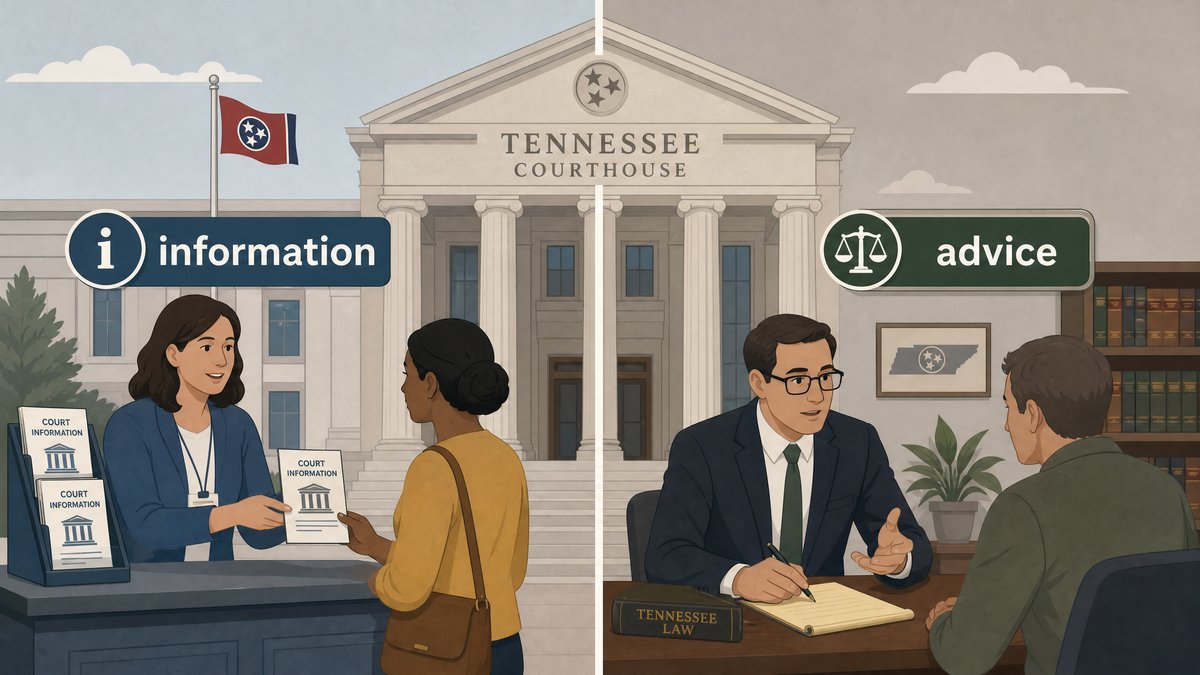
Open courts and public confidence are closely linked. People evaluate courts not only by what the rules say about transparency, but also by what they experience when they try to observe a hearing or review a case file. In Tennessee, the judiciary publishes guidance and rules that explain how access is supposed to work. Understanding those official sources helps separate the legal framework for access from logistics that can shape a person’s day at the courthouse. That distinction helps connect the theme of Tennessee open courts public confidence to what people actually encounter.
What “open” means in practice
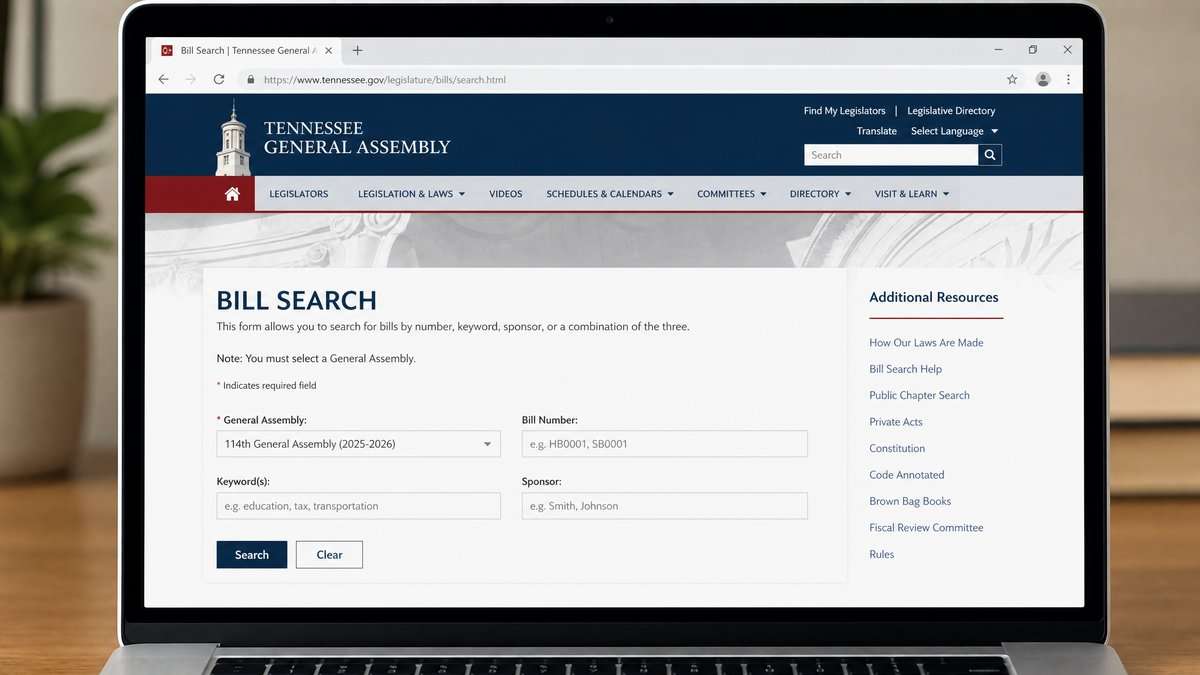
In Tennessee, openness is implemented through published procedures. For in-court observation and any recording, the judiciary provides a public explanation of how news coverage requests are handled and what limits may apply. The Tennessee Courts’ page on media attendance and recording describes expectations for decorum, the process for seeking permission to photograph or capture audio/video, and the trial judge’s authority to manage coverage in a specific case (official Tennessee guidance on media attendance and recording). For court records, a centralized Supreme Court Rules index points readers to the rules that govern access to judicial records and the procedures that apply in trial and appellate courts (Tennessee Supreme Court Rules index for access to judicial records).
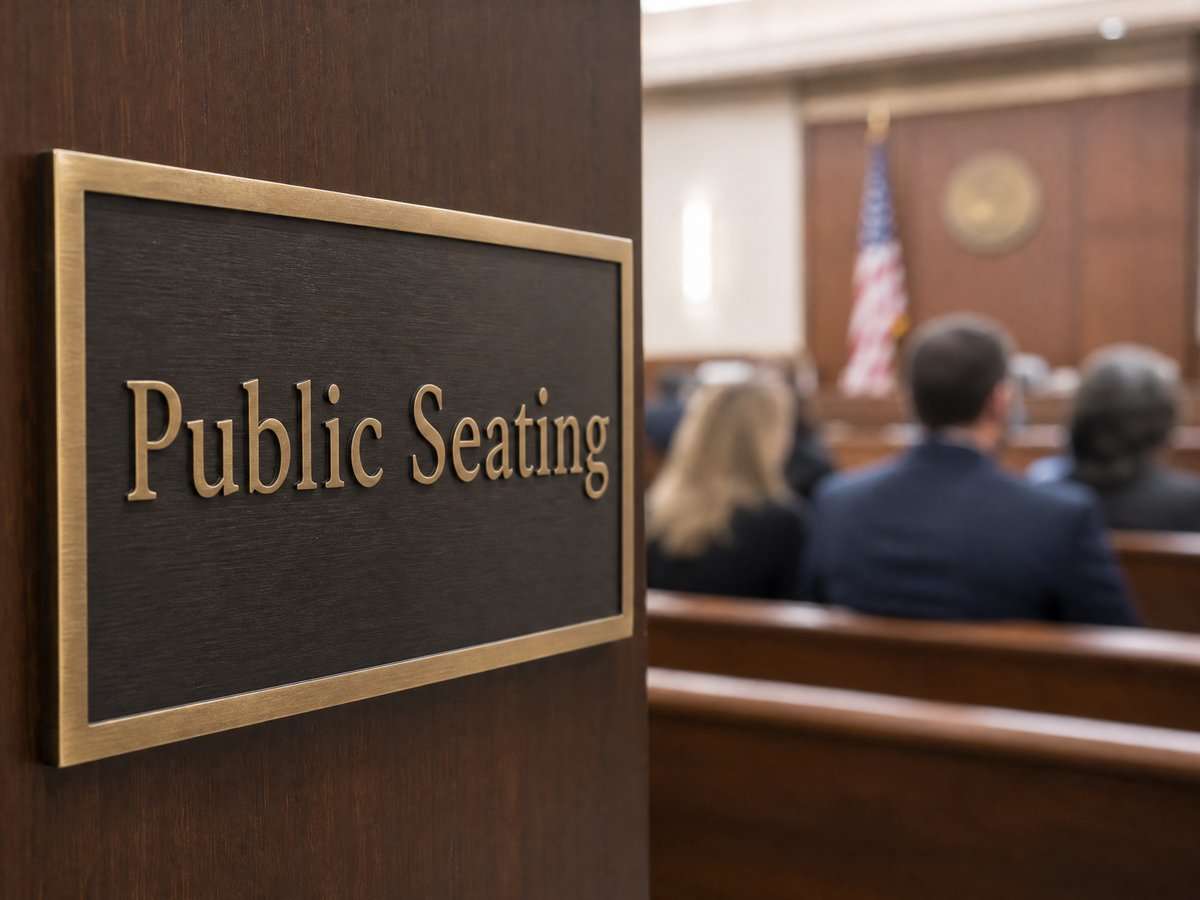
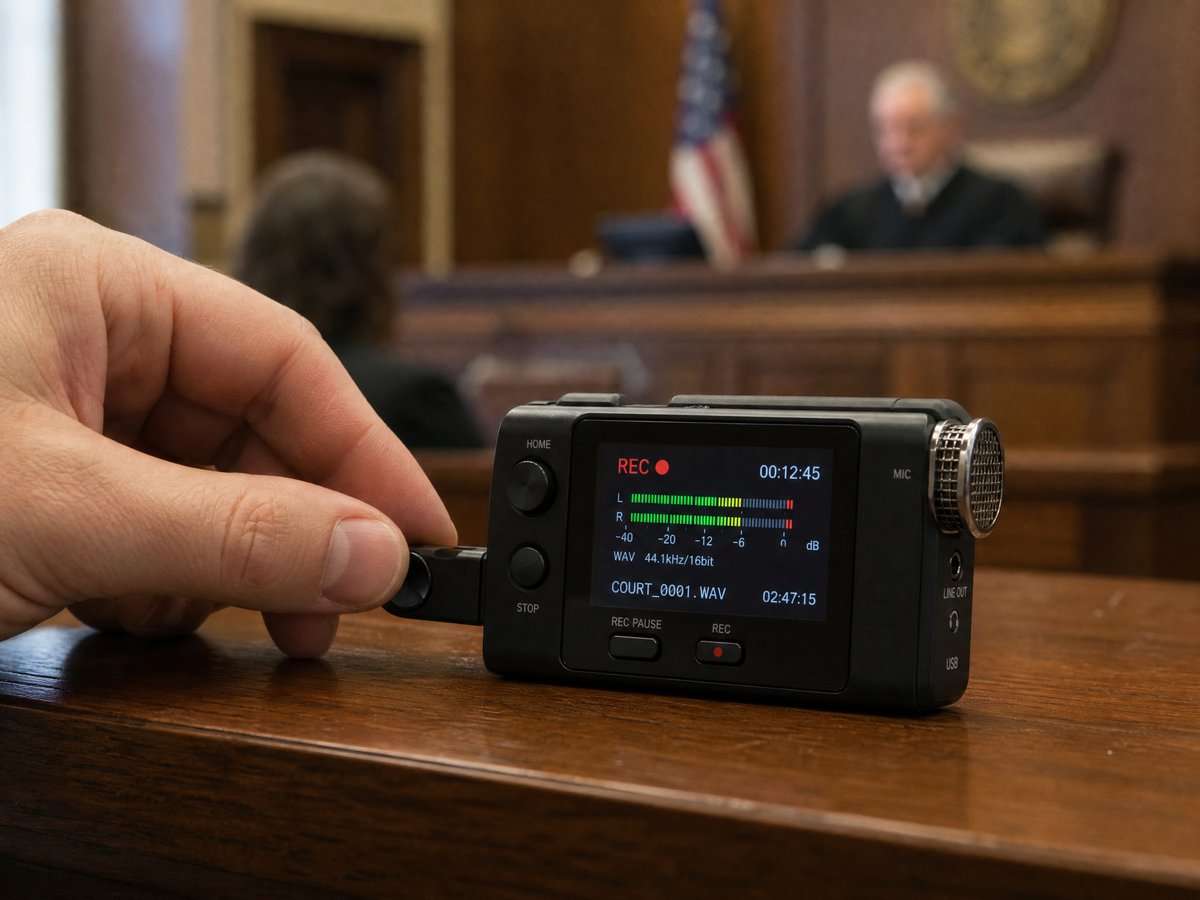
Proceedings: attending and recording
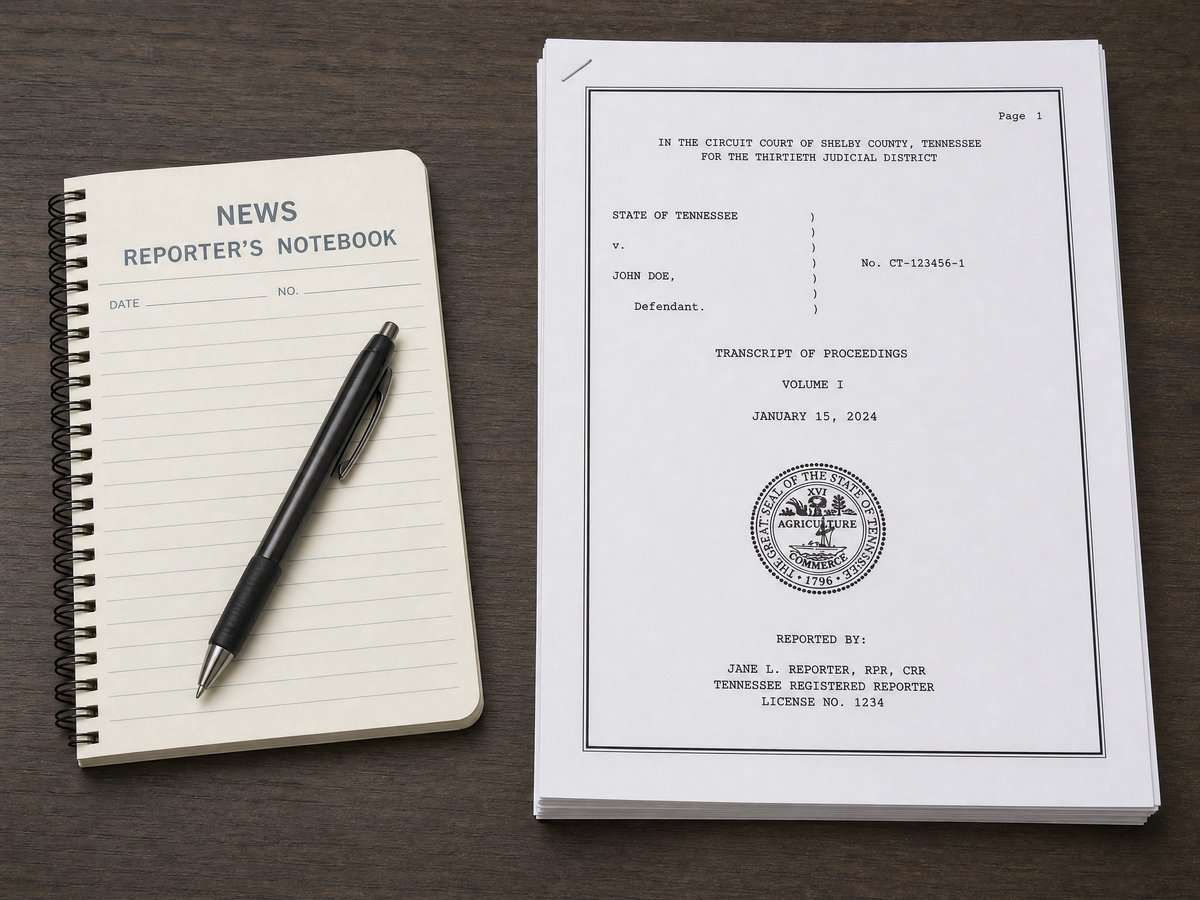
Observing a court session and recording it are not the same thing. Cameras and recording generally must be requested and approved under the court’s rules; the presiding judge decides requests in light of the needs of the case and the administration of justice. The statewide guidance also addresses practical expectations—such as maintaining decorum and following placement or equipment directions—that support order and fairness in the courtroom (statewide media coverage guidance on requests and decorum). These principles reflect a balance: the public’s interest in seeing how courts work, and the court’s responsibility to ensure proceedings are fair, dignified, and efficient.
Download the video transcript (PDF).
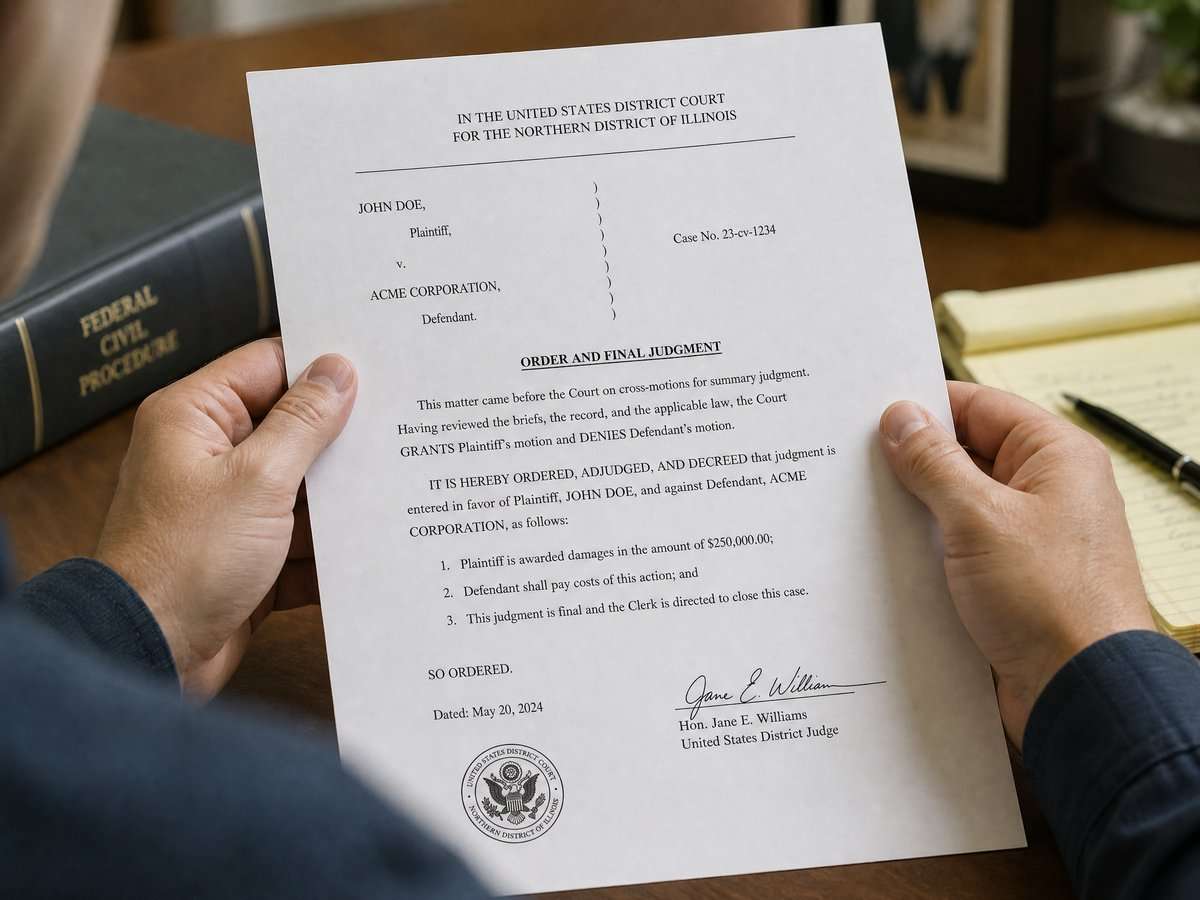
Records: reading what the court actually decided
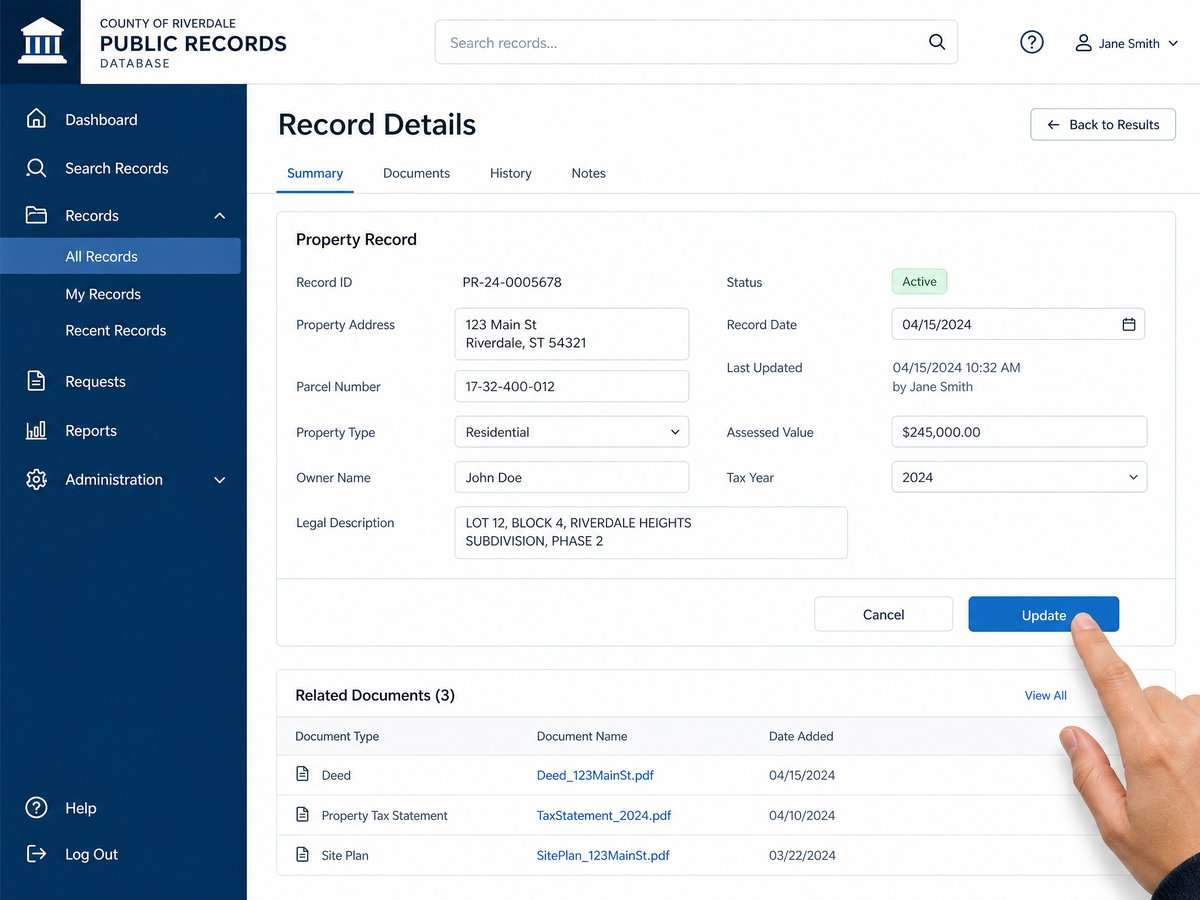
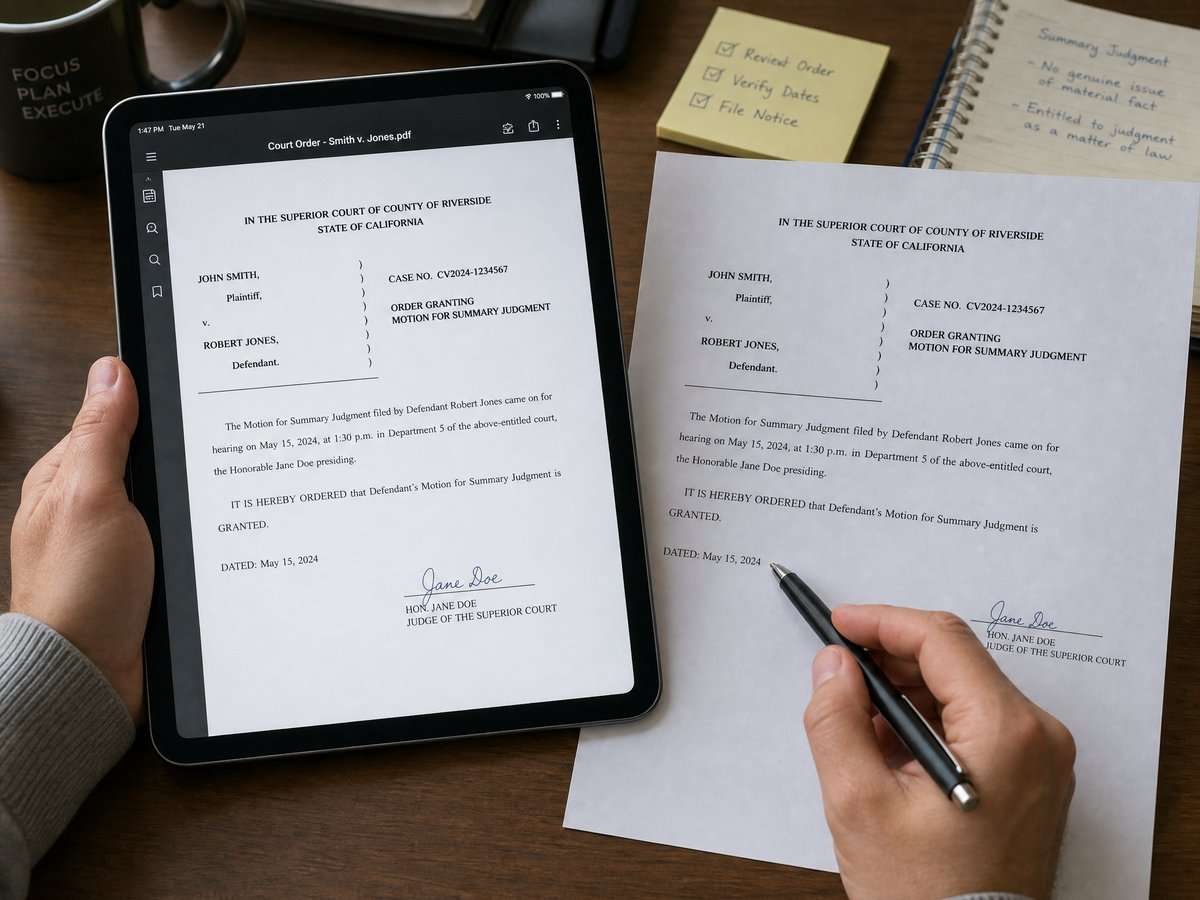
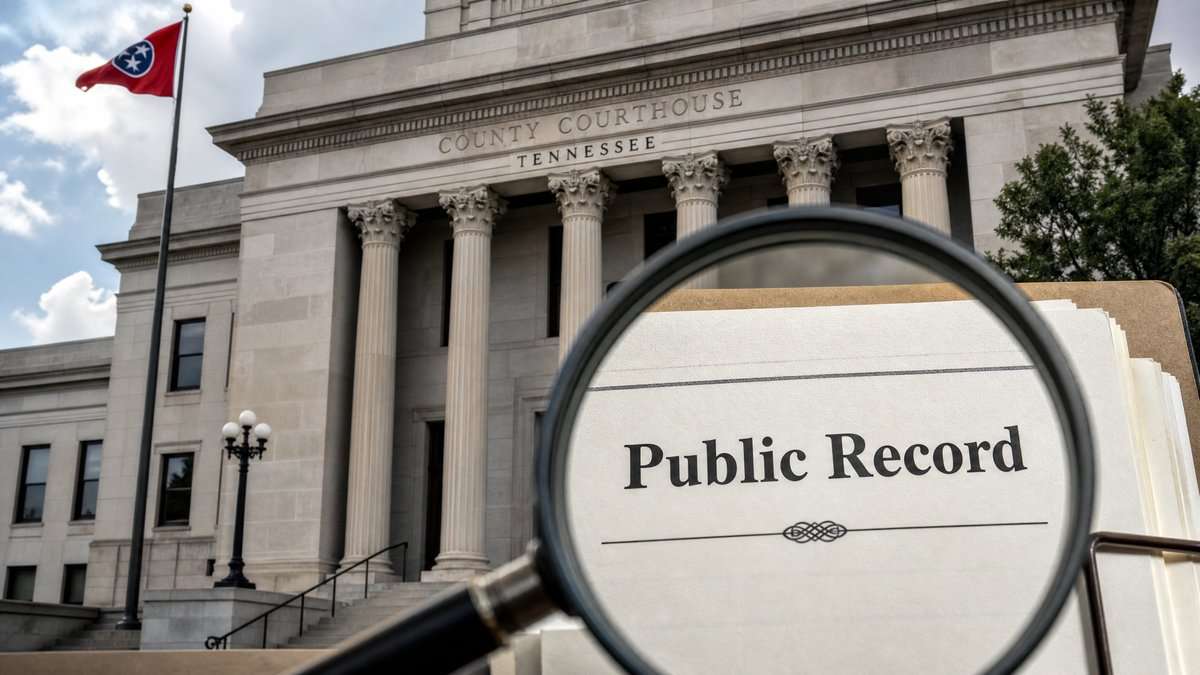
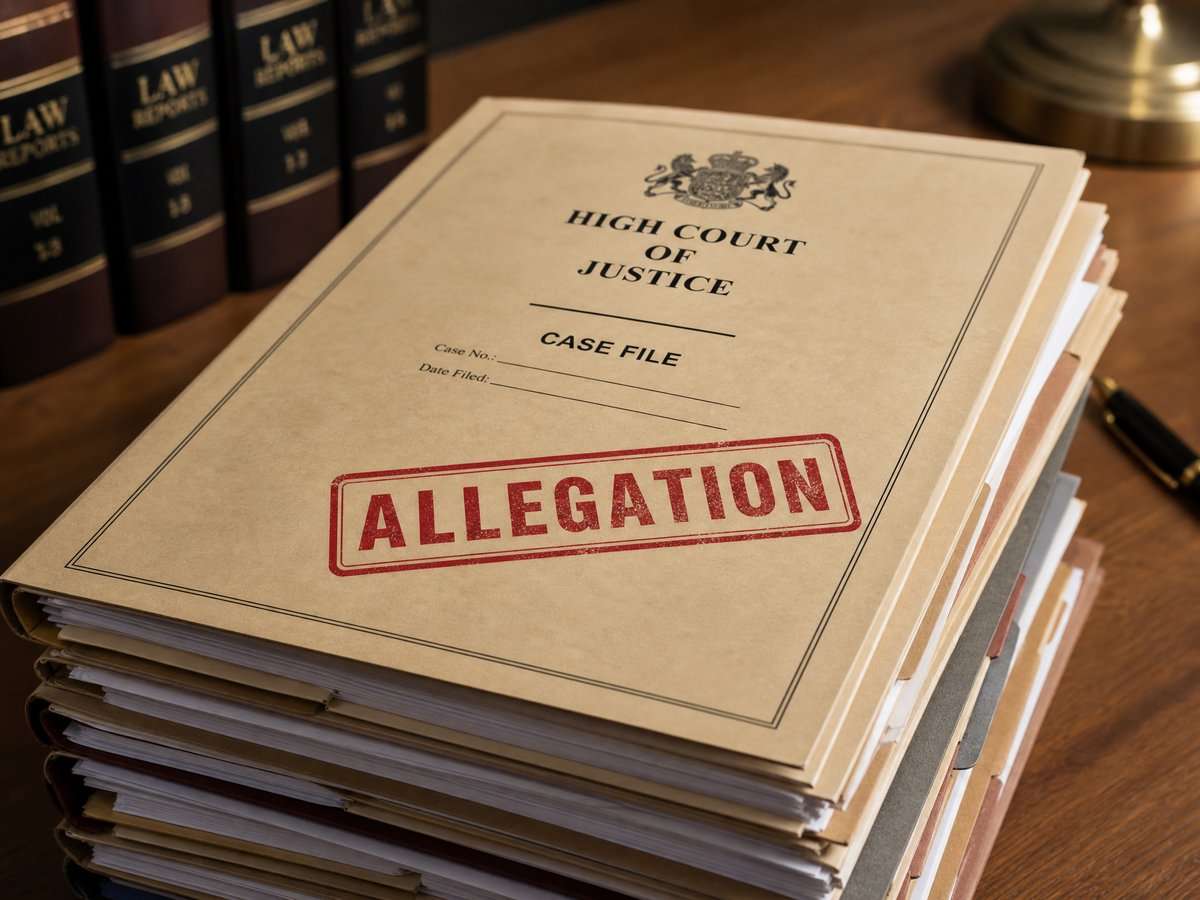
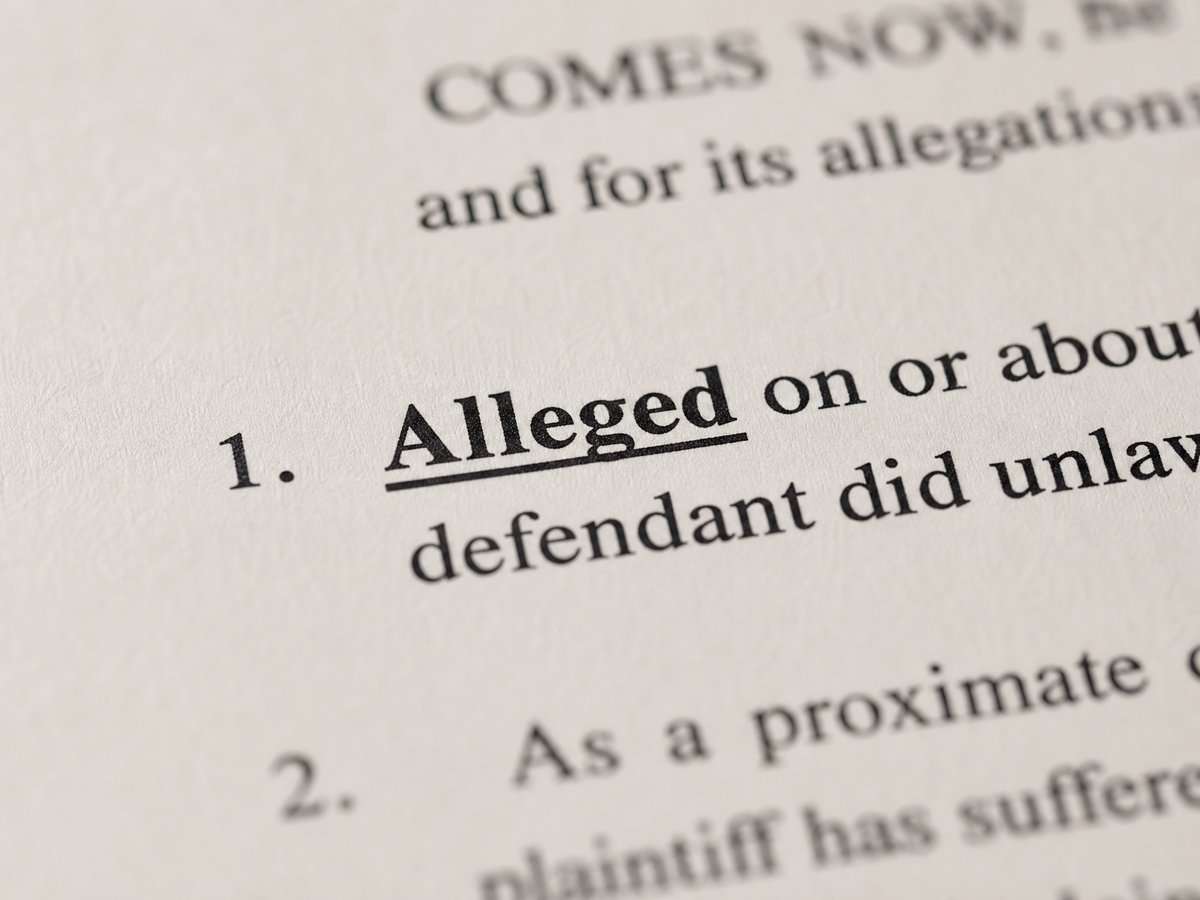
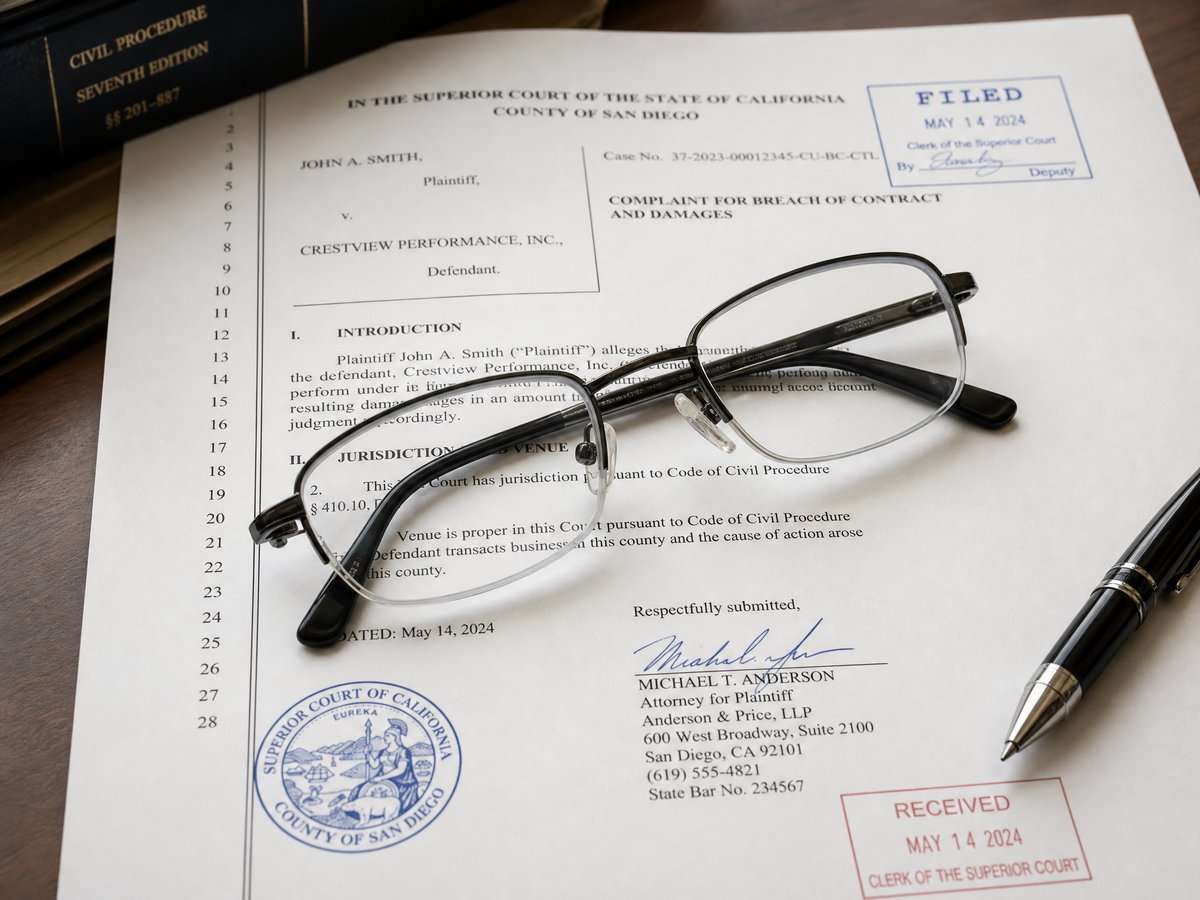
Transparency also depends on records access. The Supreme Court Rules index provides a roadmap to rules that govern judicial records, including where to find the operative procedures and recognized exceptions (official index of court rules on records access). When you review a file, it helps to separate categories of documents: a complaint or motion is a filing by a party that states allegations or requests; it is not a judicial finding. An order or judgment is the court’s decision on a question presented; it reflects what a judge actually ruled. Dockets and minute entries help trace when events occurred. Keeping these distinctions in mind can reduce confusion about what the court has—or has not—decided.
Why judicial control supports trust
Public confidence depends on both visibility and fairness. The judiciary’s media-coverage guidance explains that judges have authority to manage recording and coverage to protect the integrity of proceedings and the rights of participants. That authority includes setting conditions on equipment and placement, and limiting recording when necessary under the rules (guidance describing judicial discretion for coverage). Clear, publicly available standards help observers understand that case-by-case decisions flow from written, statewide rules rather than ad hoc preferences.
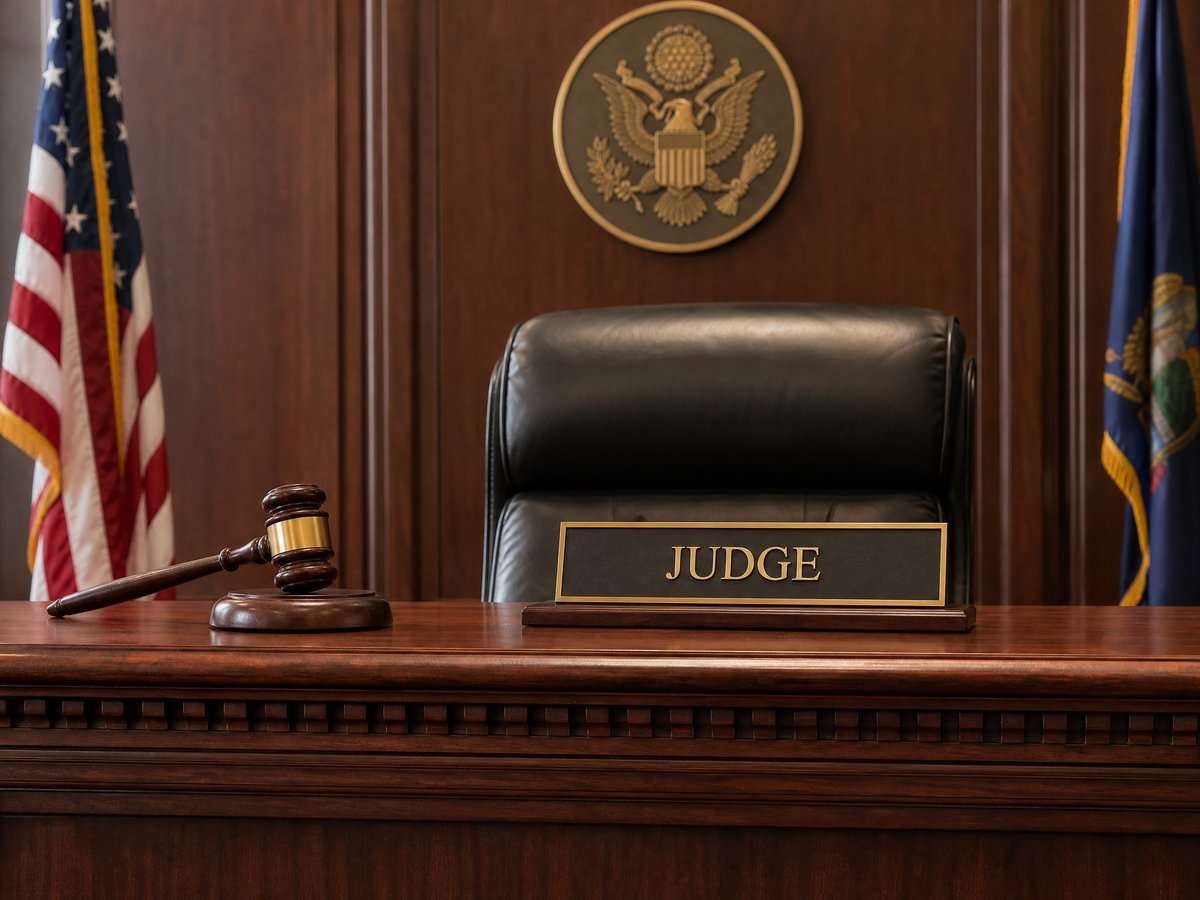
Access rules versus access experiences
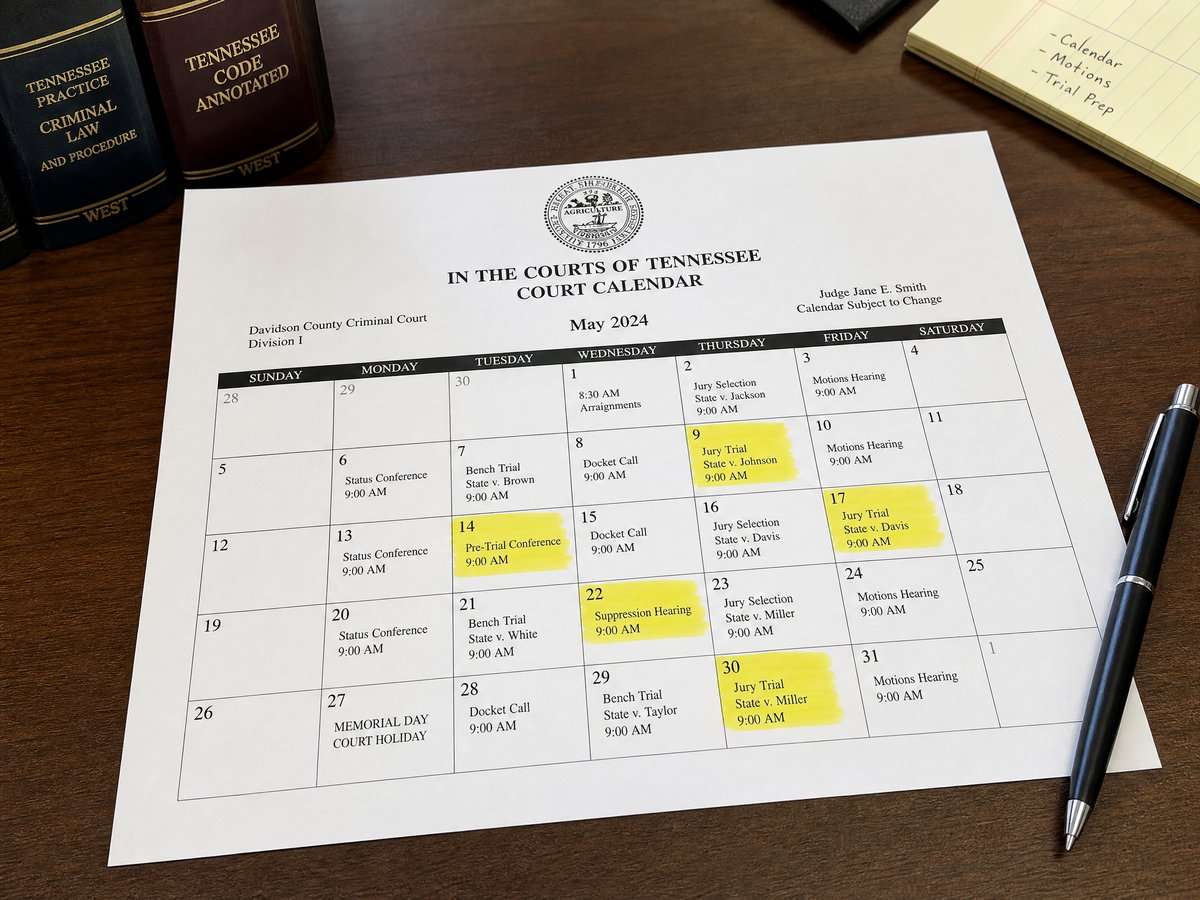
Even when rules are clear, real access can feel different because of ordinary logistics. Courthouse screening, full dockets, space constraints, and the need to avoid disruptions can affect where members of the public sit, how long they wait, or whether recording is feasible on a given day. Those circumstances do not change the rules, but they can color a person’s experience of “openness.” Planning ahead—arriving early, understanding that schedules can shift, and confirming whether equipment is allowed—can make the experience more consistent with expectations.
Putting the official sources to work
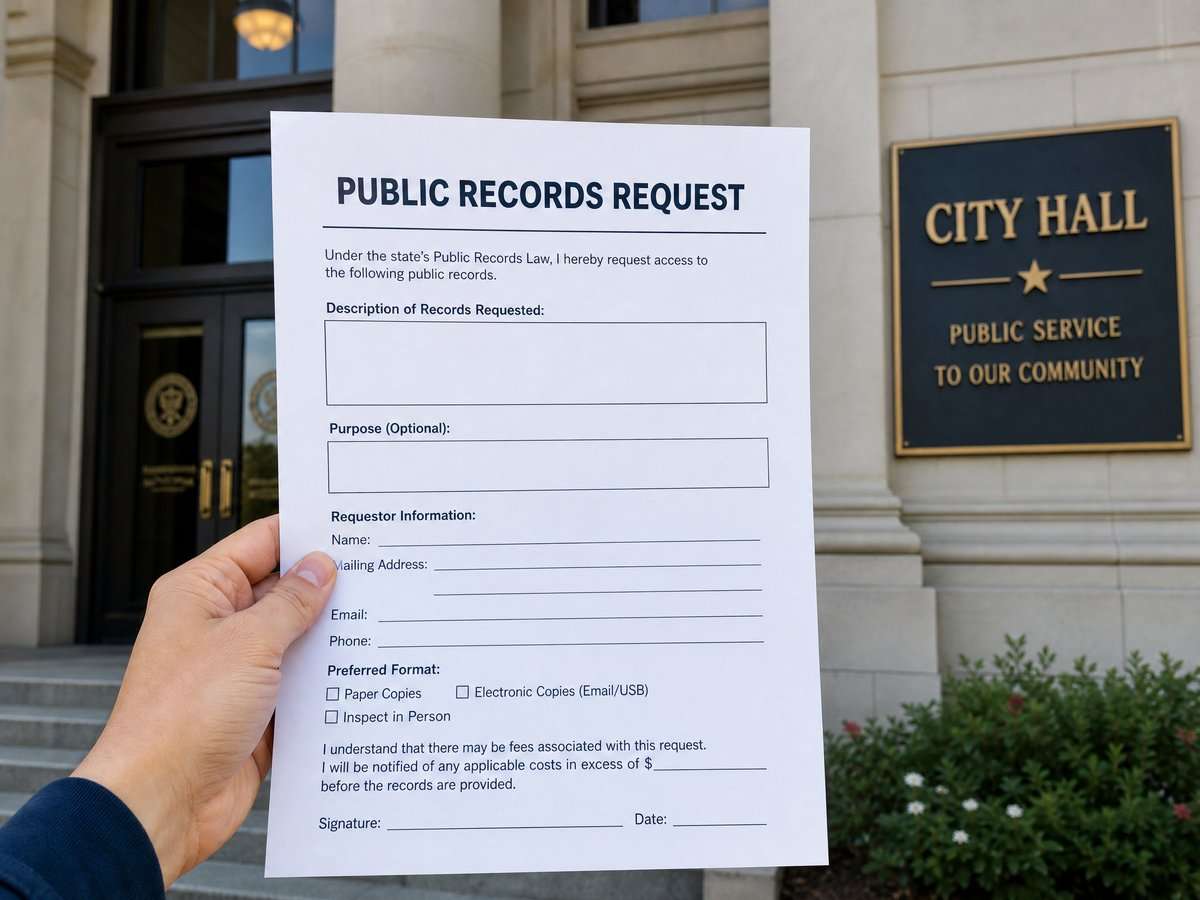
The best way to align expectations with reality is to start from the official sources and plan around them. Before attending a proceeding or seeking to record it, review the statewide guidance on news coverage and its conditions so you know how to make a request and what constraints may apply (Tennessee Courts guidance for media attendance and recording). When you need records, begin at the Supreme Court Rules index to locate the governing rules and understand any procedures and exceptions that may apply (Tennessee Supreme Court Rules index for judicial records access).
Building and maintaining public confidence
Open courts are not just a slogan; they are a set of operating commitments reflected in written rules and public-facing procedures. The availability of statewide guidance on recording, and a consolidated index of rules about records, equips the public and press to engage with the courts in ways that respect both transparency and other legal interests. It also gives judges and court staff shared reference points for decisions that inevitably must account for the facts and needs of individual cases. Separating rules from experiences helps set reasonable expectations. A crowded calendar or a denied recording request does not necessarily signal “closed courts” if the outcome follows the written framework. Conversely, knowing the official procedures can make it easier to ask informed questions through appropriate channels. Over time, repeated use of the published guidance and rules can make access more predictable—and predictability is a cornerstone of public trust.

Sources
- Tennessee Courts: media coverage of judicial proceedings (official guidance)
- Tennessee Supreme Court Rules index for court-record access resources (official)
This article provides general information, not legal advice. Court rules, records, and legal consequences depend on the facts, the forum, and current law; consult a qualified lawyer for advice about a specific situation.
General-information disclaimer: This article is provided for journalism and general information only. It is not legal advice and does not create an attorney-client relationship.