
For accountability reporting in Tennessee, a reliable reading file starts with a few primary sources that explain how courts and lawmakers operate and how professional conduct is enforced. The five resources below come directly from official state websites. They can help you locate appellate materials, understand lawyer discipline rules, follow legislation, navigate courtroom coverage protocols, and review the judiciary’s annual work.
1) Appellate case materials and tools
The statewide hub for appellate information is the Tennessee Courts’ appellate case resources page. This page consolidates links for the public to access materials related to appellate proceedings. When using it for accountability work:

- Start with the official materials linked there, and note the court, case title, and decision date before quoting or summarizing.
- Distinguish between filings or briefs (positions and allegations), court orders (directions and procedural rulings), and final opinions (authoritative appellate decisions).
- If you download documents, label them with the court, case number, and date to preserve context.
2) Lawyer discipline framework
Attorney regulation in Tennessee is governed by the Supreme Court’s rules. Supreme Court guidance on disciplinary enforcement sets out the framework for disciplinary enforcement. For reader files and newsroom SOPs:
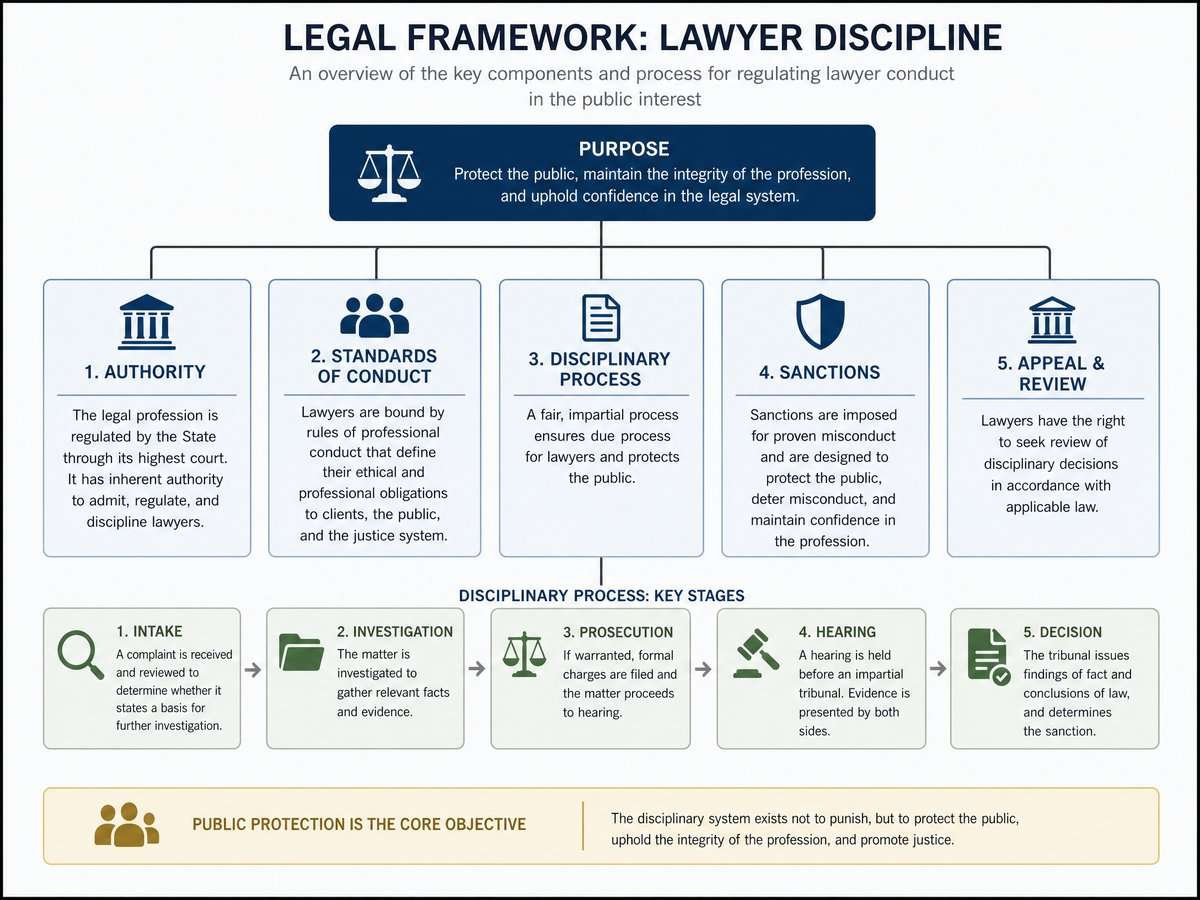
- Use the rule to understand the structure and processes that apply in disciplinary matters, including how enforcement is organized and what procedural steps are contemplated under the rule.
- When referencing discipline, quote the rule section you rely on and include the access date; rules are periodically amended.
- Keep regulatory materials separate from case-specific filings so you can clearly tell readers when you are citing a rule versus describing allegations in a disciplinary record.
3) Legislative tracking and calendars
Many court-impacting changes begin at the legislature. The Tennessee General Assembly’s public portal for bills and committees is the official gateway for bills, schedules, and committee information. For public-interest coverage:
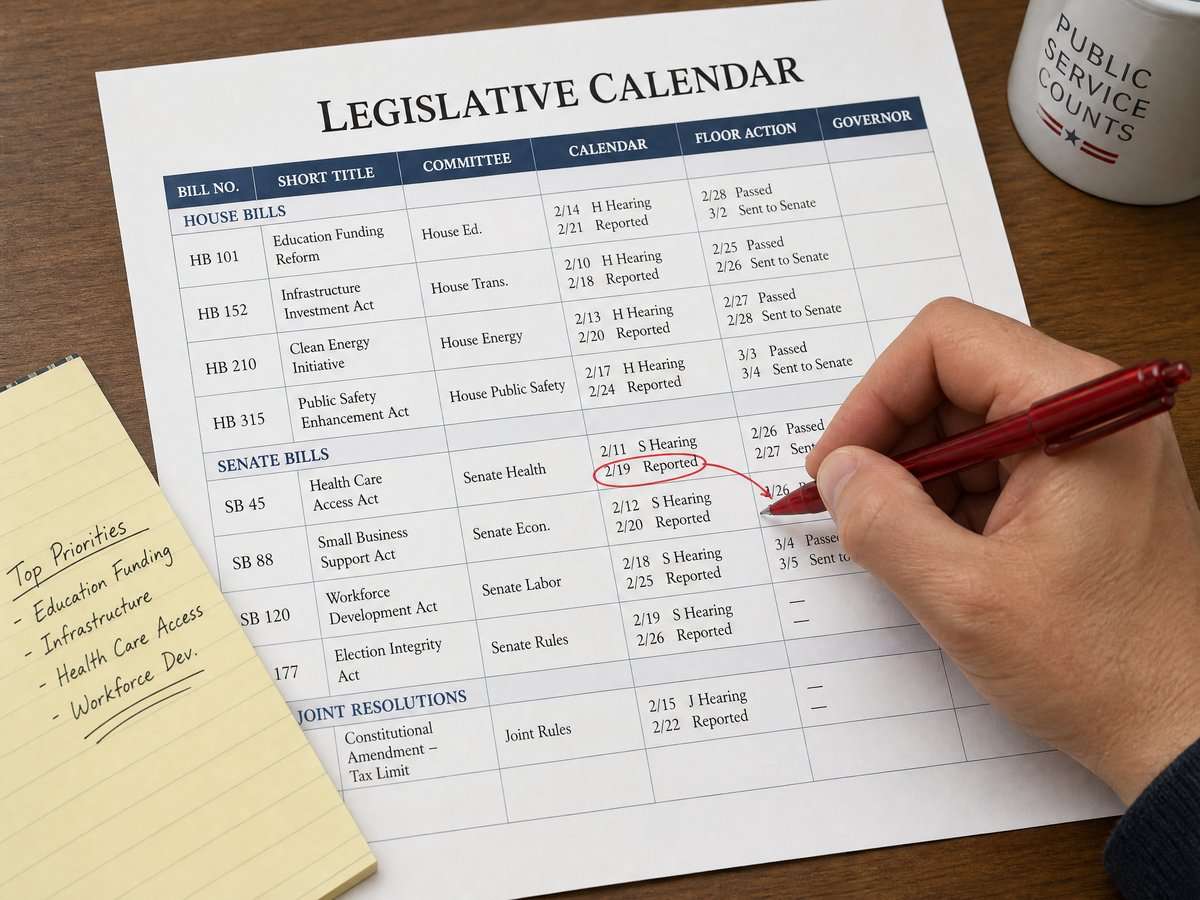
- Use the portal to locate bill text and to follow actions taken on measures over time.
- When citing a bill, identify the bill number, the version date, and the last recorded action to avoid confusing draft language with the most current text.
- Cross-check committee calendars against bill histories when reporting on upcoming hearings or past votes.
4) Rules for cameras and recording in court
Journalists should review the judiciary’s guidance before planning any coverage in courtrooms. The Tennessee Courts’ media coverage rules and resources explain how photographing, recording, or broadcasting is handled in Tennessee courts. Practical pointers:
Download the video transcript (PDF).

- Read the statewide rules and any linked forms or instructions about requests and limitations.
- Note that judges manage proceedings and may impose conditions consistent with the guidance; plan ahead and communicate early.
- Document your compliance steps in your reporting notes (request timing, approvals, and any limits) for transparency with editors and readers.
5) Annual overview of the judiciary’s work
For a year-by-year snapshot of court operations, consult the official 2025 Tennessee Judiciary Annual Report. This publication provides a statewide overview of the judiciary’s structure and activity for the fiscal year. How to use it:

- Orient new reporters to the court system’s organization and programs before diving into case-level stories.
- Use the report to frame trend questions and to identify which courts or programs to watch, then return to primary case materials for specifics.
- Cite the report title and fiscal year when referencing sections, and avoid extrapolating beyond what the publication states.
Working principles for reading primary sources
- Verify document type and posture: an allegation or brief states a party’s position; an order directs procedure; an opinion interprets and applies law.
- Check dates and versions on rules, opinions, and bills. If you quote language, capture the version date and where it appears.
- Preserve context by saving PDFs with descriptive filenames and keeping a simple source log (URL, date accessed, and a one-line description).
- Link to official sources with descriptive anchors so readers can evaluate primary documents themselves.
- Respect court and media-coverage rules in planning; protocol missteps can affect access.
Sources
- Tennessee Courts: appellate case resources
- Tennessee Supreme Court guidance on Rule 9 disciplinary enforcement
- Tennessee General Assembly public portal
- Tennessee Courts: media coverage rules and guidance
- 2025 Tennessee Judiciary Annual Report (FY2024–2025)
This article provides general information, not legal advice. Court rules, records, and legal consequences depend on the facts, the forum, and current law; consult a qualified lawyer for advice about a specific situation.
General-information disclaimer: This article is provided for journalism and general information only. It is not legal advice and does not create an attorney-client relationship.
Leave a Reply