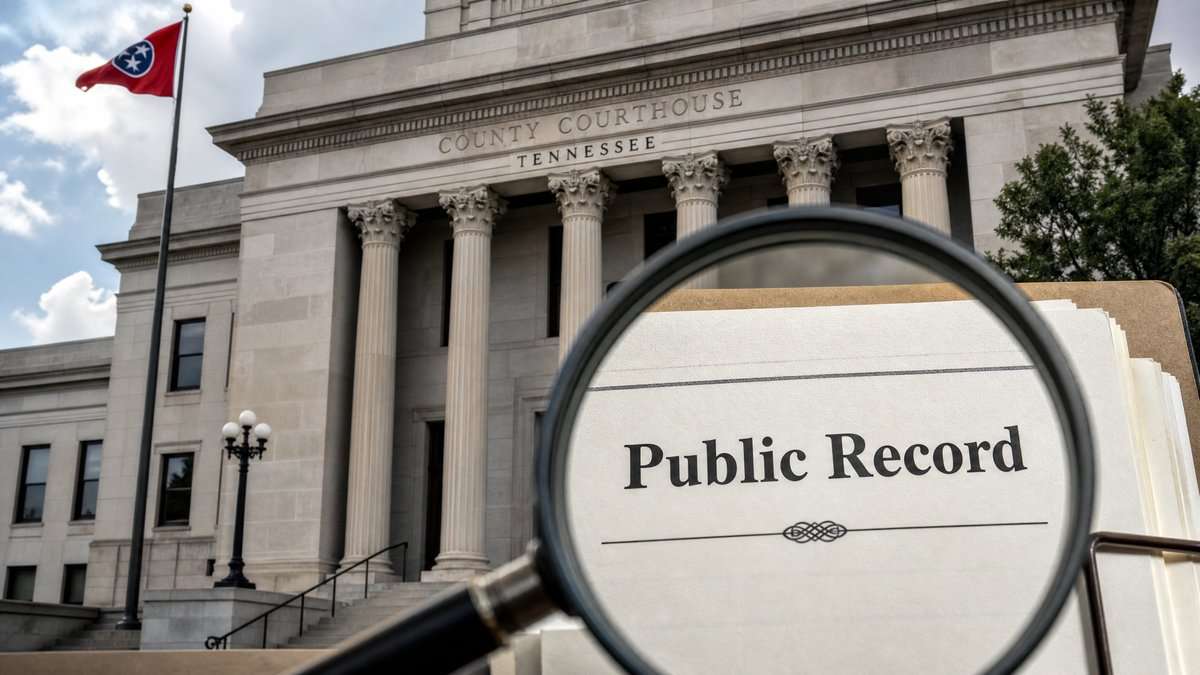
Allegations are not findings, and a filing is not a verdict. In Tennessee, responsible reporting from official sources depends on knowing what qualifies as a public record and how the state’s fair report privilege works. This guide outlines baseline principles so journalists can attribute information accurately and avoid blurring the line between accusations and adjudicated facts.
Public records are a starting point, not the last word
Tennessee’s Public Records Act provides access to many government records and sets procedures for requesting, inspecting, and receiving copies. The Act also recognizes that some records are confidential by law, and it allows agencies to redact exempt information from otherwise public records. For definitions, procedures, and limits, consult the Tennessee Public Records Act FAQs from the Office of Open Records Counsel.
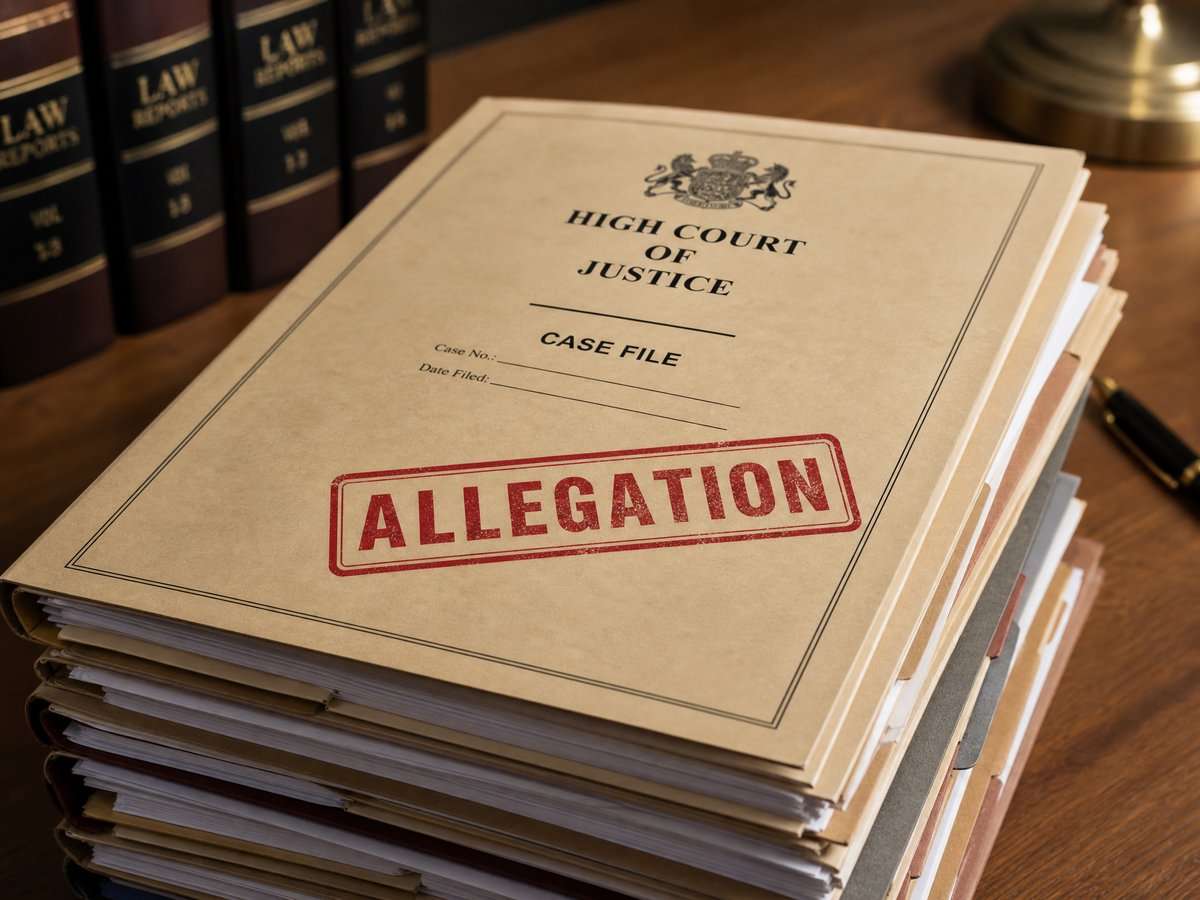
When a newsroom uses public records as sources, treat each document as a specific type of statement from a specific forum. An incident report may summarize observations. A complaint sets out allegations. An affidavit is a sworn statement by its affiant. A court order or final judgment is the court’s ruling. These categories carry different legal weight and should be reflected in how a story frames its facts.
The fair report privilege: protection for accurate accounts, with clear limits
In Tennessee, the fair report privilege generally protects fair and accurate media reports about official proceedings and public records. The privilege shields the report of what the official source says; it is not an endorsement of the underlying allegations.
The Tennessee Supreme Court has emphasized that reports based on nonpublic, unofficial interviews do not fall within the privilege. Coverage that relies on private conversations—rather than on public records or official proceedings—sits outside the privilege’s scope. See the Tennessee Supreme Court press release on nonpublic interviews and the fair report privilege.
The Court has also clarified that allegations of malice do not defeat the privilege where it otherwise applies to a fair and accurate account of an official proceeding or public record. The inquiry centers on whether the report accurately reflects the official source. See the Tennessee Supreme Court press release explaining malice and the fair report privilege.
These boundaries point to a practical approach: base coverage on public, official materials; attribute precisely; and summarize what those materials say with care. The privilege is not a substitute for close reading or clear labeling.
Attribution that keeps allegations separate from findings
Clear attribution helps readers understand what is alleged and what a court has decided. Editors can reinforce several conventions:
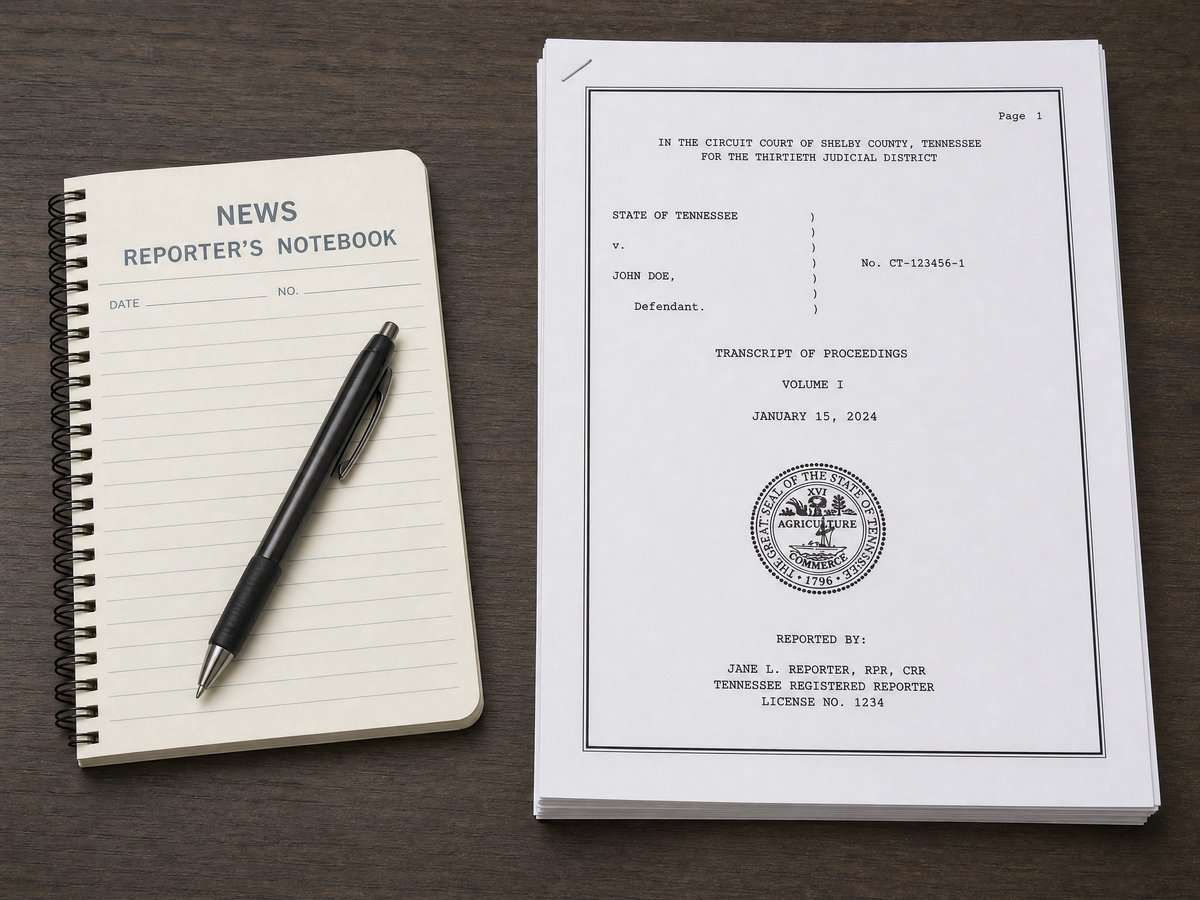
Download the video transcript (PDF).
- Name the document and forum. Phrases like “according to a complaint filed in [court]” or “a civil complaint alleges” distinguish accusations from rulings. For what is and is not a public record, see the Public Records Act FAQs maintained by the Office of Open Records Counsel.
- Reserve “the court found” for actual orders or judgments. If the document is a motion, brief, or affidavit, attribute to the filing party or affiant rather than to the court.
- Quote accurately and in context. When quoting from a filing, include enough context to preserve meaning. Signal omissions with ellipses and avoid implying that an allegation is a judicial finding.
- Update the frame as the case progresses. When a court later issues an order or verdict, explain how the new decision relates to previously reported allegations.
Reading court documents closely: practical cues
Many misstatements stem from misidentifying the document in hand. A quick, consistent review can help:
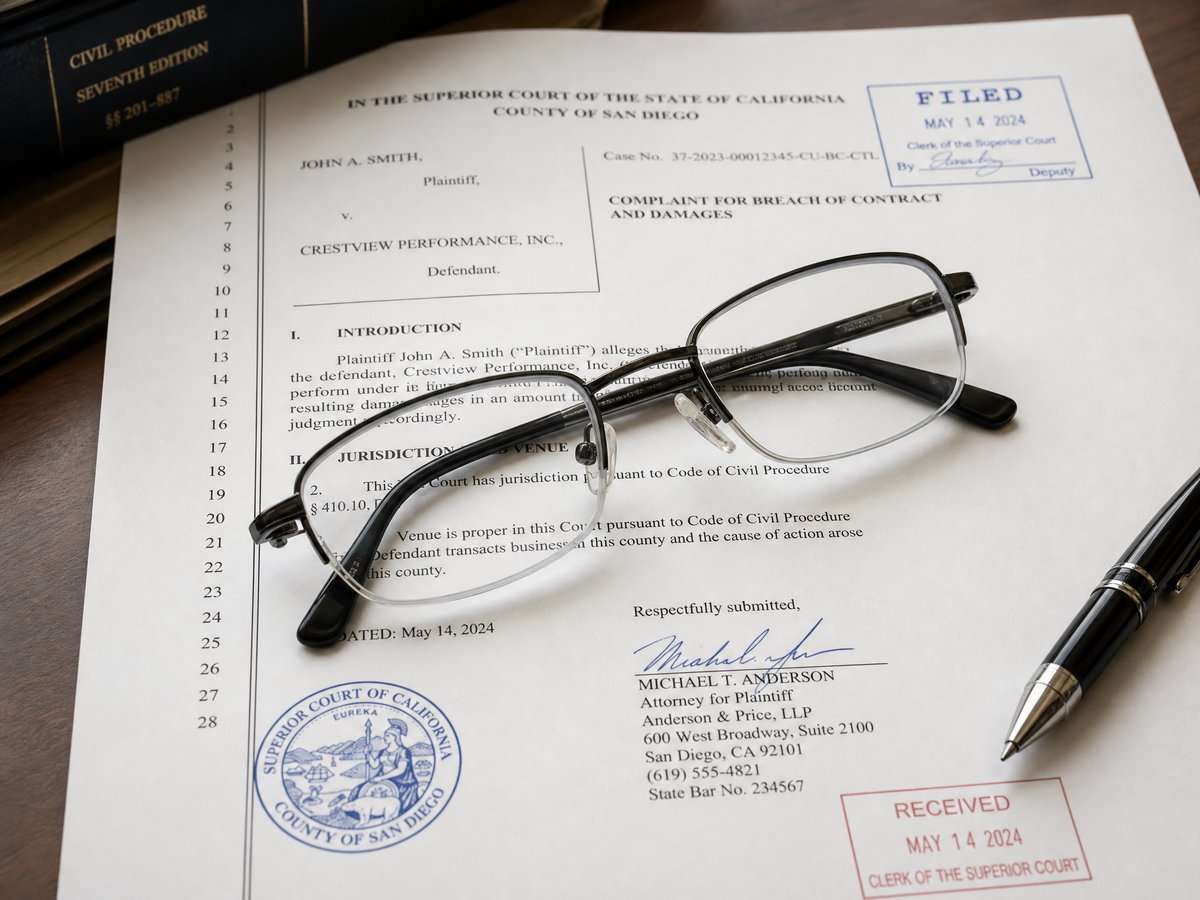
- Check the title and caption. A header usually identifies whether a document is a complaint, motion, affidavit, order, or judgment.
- Look for file stamps and dates. Timing matters. Ask whether the document reflects the current posture or an earlier stage.
- Scan the signature block and certificate. Is it signed by a party, lawyer, affiant, or judge? That helps you describe whose assertions you are relaying.
- Compare against the docket. The docket’s sequence helps you place the document in context and see whether later orders supersede earlier allegations.
- Note redactions and attachments. Redactions may reflect legal exemptions; attachments may contain the specific language you plan to quote.
A concise checklist for editors
- Identify the document type and confirm that it is a public record.
- Attribute statements to the correct source: party, affiant, agency, or court.
- Summarize fairly and accurately; avoid embellishment or implication.
- Do not rely on nonpublic interviews as the basis for fair-report coverage; focus on public, official sources (see the Tennessee Supreme Court’s press release on nonpublic interviews).
- Maintain clear language distinguishing allegations, charges, and findings.
- Update stories as official actions occur, such as new orders, dismissals, or judgments.
Access with care: requesting and handling public records
Using official documents starts with obtaining them lawfully. In Tennessee, agencies maintain records according to their functions, and the Public Records Act establishes how people may request access. Agencies may provide inspection and, where applicable, copies; they may also charge allowable costs for duplication. Certain categories of information are confidential by statute and may be redacted. For process details and limitations, see the Tennessee Public Records Act FAQs hosted by the Office of Open Records Counsel.
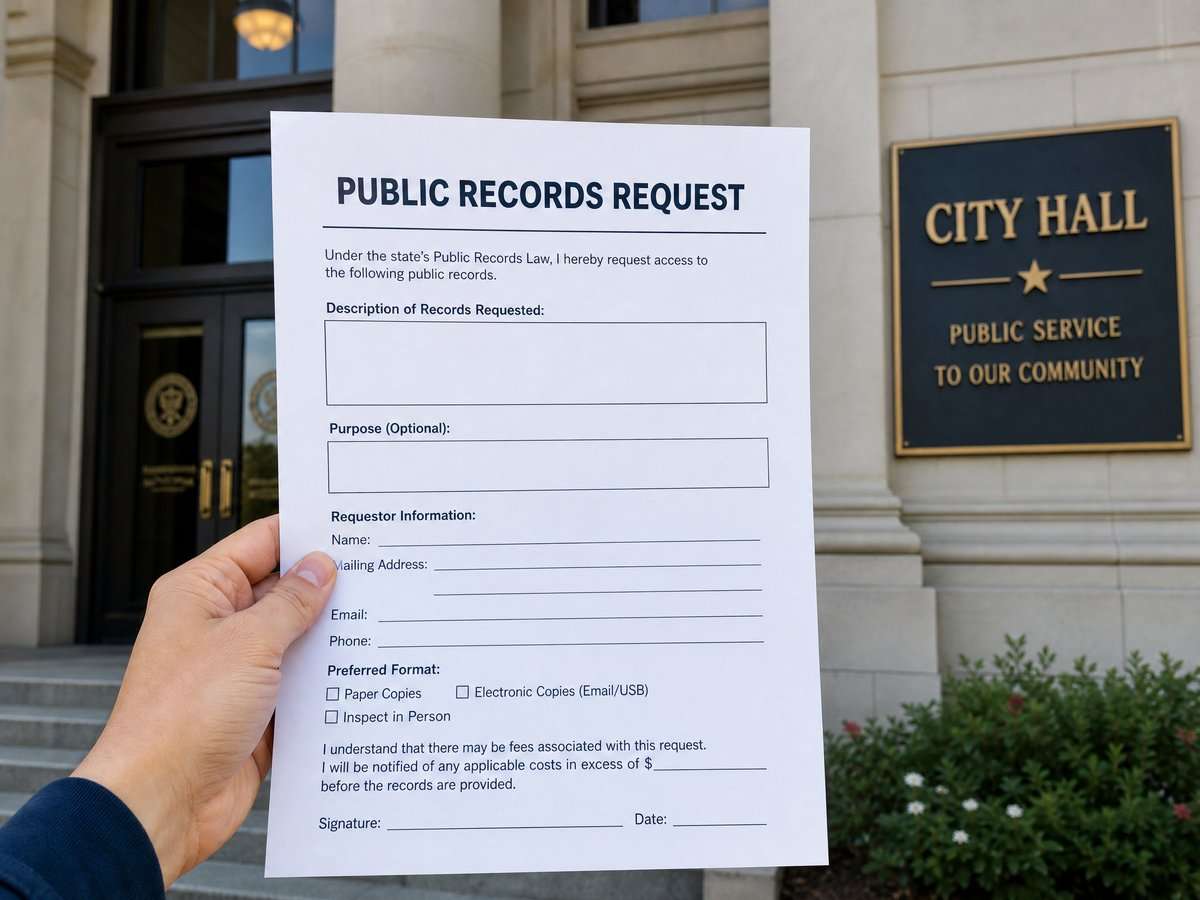
When you publish, consider linking to the public document or describing how it was obtained. If a record is partially redacted, tell readers that portions are withheld under an exemption. If an official denies access under a recognized exemption, explain that an exemption was cited and look for alternative official sources that can be reported accurately.
Finally, keep the fair-report contours in view. The Tennessee Supreme Court has explained that the privilege is not defeated by allegations of malice where it otherwise applies to a fair and accurate account of an official source, and that nonpublic interviews fall outside its protection. Accessible overviews are available in the Court’s press materials on malice and the fair report privilege in Tennessee and on limits for nonpublic interviews under the privilege.
Sources
- Tennessee Public Records Act FAQs (Office of Open Records Counsel)
- Tennessee Supreme Court press release: malice does not defeat fair report privilege
- Tennessee Supreme Court press release: privilege does not apply to nonpublic interviews
This article provides general information, not legal advice. Court rules, records, and legal consequences depend on the facts, the forum, and current law; consult a qualified lawyer for advice about a specific situation.
General-information disclaimer: This article is provided for journalism and general information only. It is not legal advice and does not create an attorney-client relationship.
Leave a Reply