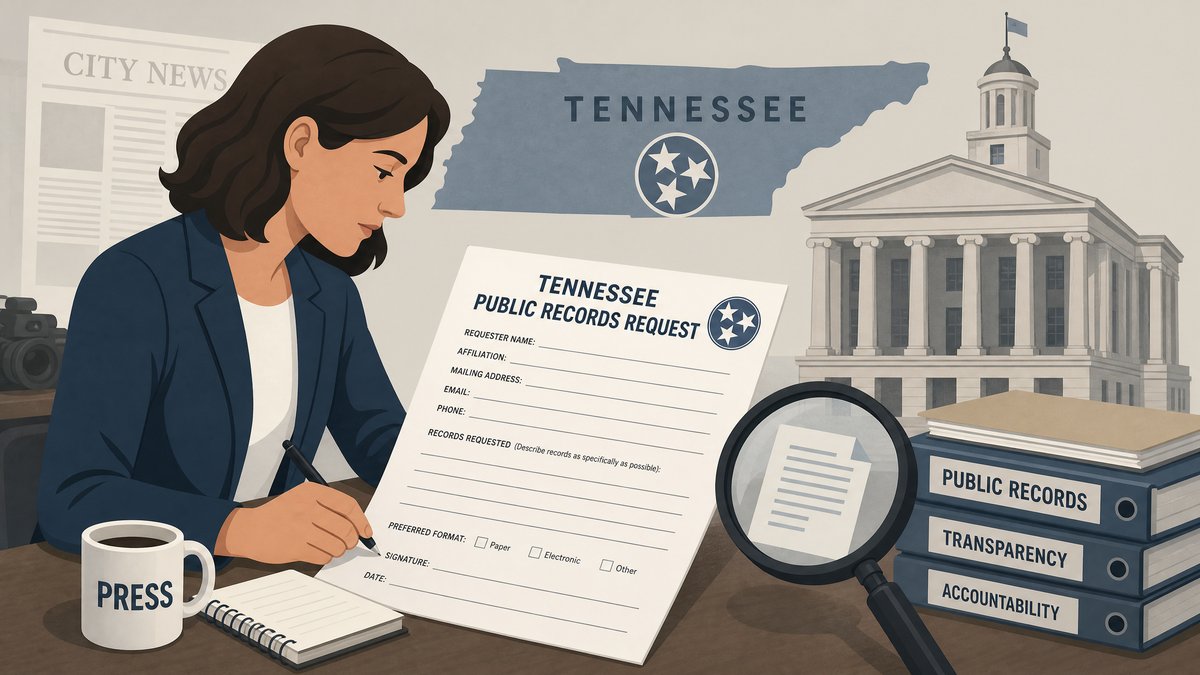
How to Make a Focused Tennessee Public-Records Request
In a democratic society, transparency and accountability are paramount. For the citizens of Tennessee, the Tennessee Public Records Act serves as a vital instrument in upholding these principles, granting individuals the right to inspect and copy public records. Understanding how to effectively utilize this act, particularly by crafting a focused public records request, is crucial for ensuring governmental entities uphold their obligations and for citizens to exercise their fundamental rights.
The Tennessee Public Records Act broadly defines public records to include all documents, papers, letters, maps, books, photographs, microfilms, electronic data, and other materials made or received by any governmental entity. This expansive definition ensures that a wide array of information is accessible to the public, fostering an informed citizenry.

Crafting a Focused Request: Precision is Key
While the right to access public records is clear, the responsibility lies with the requestor to make a sufficiently detailed request. A common misconception is that governmental entities are required to compile information or create new records in response to a request. This is not the case. Instead, requests must be specific enough to allow the governmental entity to identify and locate the particular records being sought. For instance, instead of asking for “all information about a project,” a focused request would specify “all emails, contracts, and meeting minutes related to the [Specific Project Name] between [Start Date] and [End Date].”
The emphasis on specificity is not merely bureaucratic; it ensures efficiency and prevents undue burden on governmental resources. By clearly articulating what records are desired, citizens facilitate a smoother and quicker response process, ultimately benefiting both parties.

Understanding Costs and Response Times
Accessing public records in Tennessee is generally designed to be accessible. Inspection of public records is typically free of charge. However, governmental entities are permitted to charge reasonable fees for copies of records. These charges are intended to cover the actual cost of materials and labor involved in producing the copies. Before fulfilling a request that involves charges, the governmental entity is obligated to provide the requestor with an estimate of these costs. This allows citizens to make informed decisions about proceeding with their request.
Governmental entities also have clear obligations regarding response times. Upon receiving a public records request, they must respond within seven business days. This response can take one of three forms: providing the requested records, denying the request with a clear legal basis for the denial, or providing a written explanation of the time reasonably necessary to produce the records. This structured response framework ensures that requests are not ignored and that citizens receive timely communication regarding their inquiries.

Who Can Request Public Records?
It is important to note that the rights granted under the Tennessee Public Records Act are specifically extended to citizens of Tennessee. Governmental entities may, therefore, require proof of identification to verify the requestor’s eligibility. This provision helps ensure that the act serves its intended purpose of empowering the state’s own citizens with access to their government’s records.

Important Considerations
This article provides general information about the Tennessee Public Records Act and should not be construed as legal advice. Readers should consult with a legal professional for specific guidance regarding their individual situations. The information presented is based on current statutes and policies, which are subject to change. It is crucial to ensure all citations to Tennessee Code Annotated are accurate and up-to-date at the time of publication.
Primary Sources
Note: This article provides public-interest journalism and general information about Tennessee legal processes. It is not legal advice. If you have a specific legal question, consult a qualified attorney.
Related reading: court and government records checklist.
Leave a Reply