Sealed Records, Protective Orders, and Why an Open Case Is Not Always an Open File
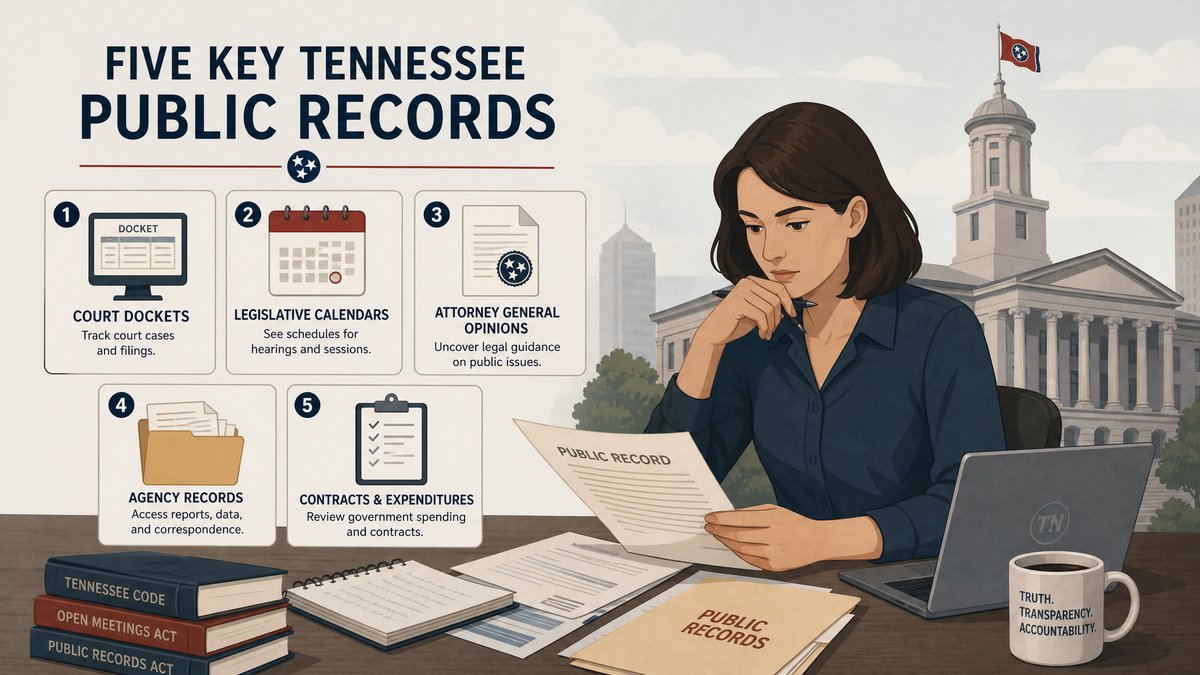
Open courts support transparency and public accountability. Court proceedings and many court records are generally accessible to the public, but that principle is not absolute. Sealed records and protective orders can limit disclosure of particular information. Understanding the distinction matters for readers, litigants, and journalists who want to report accurately from the public record.
The Presumption of Openness in Tennessee Courts
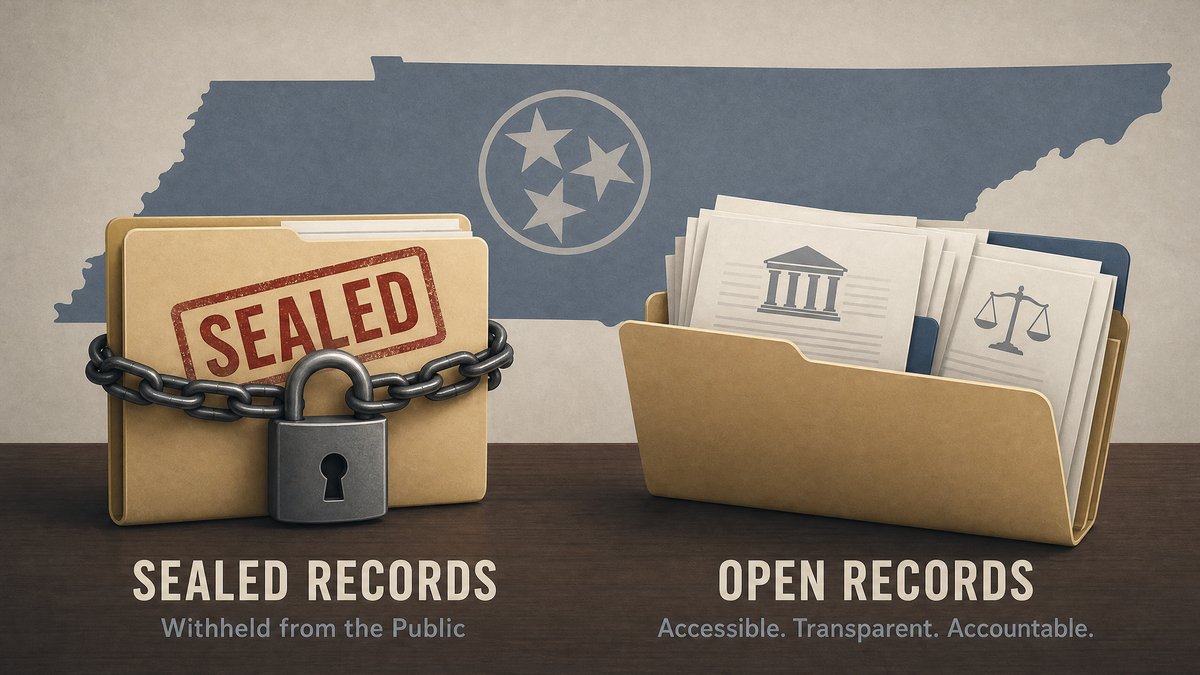
Tennessee Supreme Court Rule 34 establishes a strong presumption that court records are public. The rule gives the public a right to inspect records maintained by courts unless another statute, court rule, or court order provides otherwise. This default promotes public oversight of the justice system, but it does not make every document in every case broadly available for redistribution.

Rule 34 also recognizes limitations. A record may be protected from disclosure by law, rule, or court order. Those limits are an important part of a responsible review of any docket or filing.
Sealed Records: When Privacy Outweighs Public Scrutiny
A sealed record is a document or case material that a court has ordered to be kept confidential. Tennessee appellate Rule 15 addresses filing documents under seal and recognizes that trial-court sealing can carry into the appellate court unless the appellate court orders otherwise. Sealing requires an individualized court determination; it is not created merely because parties agree that material is confidential.
Courts may consider interests such as the protection of trade secrets, highly sensitive personal information, information about minors, safety concerns, and the integrity of an ongoing investigation. The central question is whether a sufficiently important interest outweighs public access and whether a less restrictive alternative can protect that interest.

Protective Orders: Safeguarding Information During Litigation
Protective orders serve a different function. They are commonly used during discovery to govern how parties handle sensitive information exchanged in litigation. Tennessee’s civil rules, like federal practice, allow courts to address information that could create annoyance, embarrassment, oppression, or undue burden if disclosed without safeguards.
A protective order can specify who may see confidential material, how it may be used, and how it must be returned or destroyed. It does not necessarily seal an entire case file. That distinction is essential: a document marked confidential in discovery and a document sealed from public court access are related but not identical concepts.

Allegations Versus Verified Facts
In legal journalism, a court filing may contain claims and accusations that have not been proved. Responsible reporting uses precise attribution: “the complaint alleges,” “the response denies,” or “the court found.” That language helps readers distinguish a party’s position from a judicial finding, especially where the underlying documents involve sensitive personal information or reputational harm.
A Practical Review Before Sharing
Before sharing a document, check the docket for sealing or access orders; retain any existing redactions; determine whether a protective order or other limitation applies; identify the document’s procedural context; and consider whether a narrow quotation or accurate summary would serve the public interest with less risk. If a filing appears sealed, restricted, or unusually sensitive, seek qualified legal and editorial review rather than treating public-interest reporting as a reason to disregard a court order.
Disclaimer
This article provides general information about legal topics and is not legal advice. For advice on a specific dispute, filing, or court order, consult a qualified attorney.

Sources
- Tennessee Rule 15: Filing Documents Under Seal
- Tennessee Supreme Court Rule 34: Public Access to Court Records
- Reporters Committee for Freedom of the Press: Tennessee Court-Record Access
Related reading: questions to ask before sharing court filings online.