Stop Legal Harassment

Court access · Free expression · Accountability

Tag: shield law

  • Tennessee’s Reporter Shield Law: What It Protects and Its Limits

    Tennessee’s Reporter Shield Law: What It Protects and Its Limits

    Tennessee’s Reporter Shield Law: What It Protects and Its Limits

    The ability of journalists to gather and disseminate information is crucial for a well-informed public. Tennessee Code Annotated § 24-1-208 contains a reporter-shield provision that protects certain newsgathering information and sources. The statute’s text matters because the protection is broad, but it is not absolute.

    What the statute protects

    Section 24-1-208 states that a person connected with or employed by the news media or press, or independently engaged in gathering information for publication or broadcast, generally may not be required by a court, grand jury, legislature, or administrative body to disclose information or its source obtained for publication or broadcast. The statute uses broad language, which can matter to both traditional news organizations and independent journalists. Whether a particular person or material falls within the statute depends on the circumstances and the statute’s requirements.

    Person seen from behind writing in a notebook at a wooden desk with a mug and lamp; a blurred silhouette gestures behind frosted glass.
    A person taking notes while a silhouetted figure speaks behind frosted glass evokes confidential conversations and the handling of sensitive notes.

    How the protection can be challenged

    The law also contains a procedure for a party seeking to overcome the protection. Under the statute, the party must make a strong showing, including that the information is clearly relevant to a specific probable violation of law, cannot reasonably be obtained through alternative means, and serves a compelling and overriding public interest. The statutory standard is demanding, and the precise application of the law may depend on the record before the court.

    The statutory procedure also makes timing important. A subpoena, discovery request, or court order can have short response deadlines. A reporter or editor should preserve the request, identify who has custody of the sought material, and obtain legal advice promptly rather than assume a general news-media label resolves the issue.
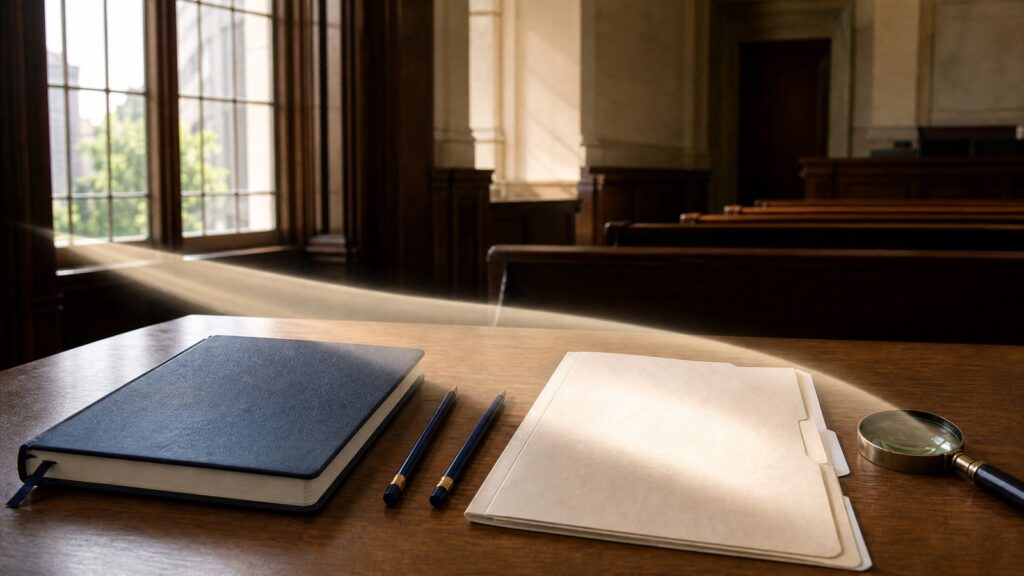
    Sunlit wooden desk in a courtroom setting with a closed black notebook, two pencils, a manila file folder and a magnifying glass.
    A notebook, file folder and magnifying glass on a sunlit courtroom desk, evoking questions about subpoenas and source protection.

    A defamation-related provision

    The statute includes a specific provision concerning the source of allegedly defamatory information when a defendant in a civil defamation action relies on the source as part of a defense. That provision illustrates why a newsroom should not treat any shield law as an automatic answer to every subpoena, discovery request, or lawsuit.

    Practical newsroom implications

    For a public-interest publication, the law supports careful source practices rather than casual promises. Editors should explain the limits of confidentiality before accepting sensitive information, preserve records securely, distinguish verified reporting from allegations, and seek legal review when a subpoena or discovery demand arrives. A shield-law question can involve deadline-sensitive procedure, so a specific dispute belongs with qualified counsel.

    Woman at a desk holding a pen over an open notebook, lamp and closed book nearby, silhouette behind a frosted divider and city lights outside.
    The staged interview scene evokes considerations about protecting confidential sources and the legal limits on source confidentiality discussed nearby.

    It is also wise to maintain a clear editorial record. Note what has been independently confirmed, which assertions come from documents or interviews, what information was offered on background or off the record, and whether a person was promised anonymity. These practices improve reporting even when no legal demand follows.

    Why the public should care

    Source protections can help reporters investigate matters that would otherwise remain hidden, but the public benefit depends on accurate reporting and responsible verification. The same reporting practices that reduce error—obtaining documents, seeking comment, identifying the basis for assertions, and correcting mistakes transparently—also make legal journalism more credible.

    Disclaimer

    This article provides general information about Tennessee’s reporter-shield law and is not legal advice. For advice about a particular subpoena, source, or dispute, consult a qualified attorney.
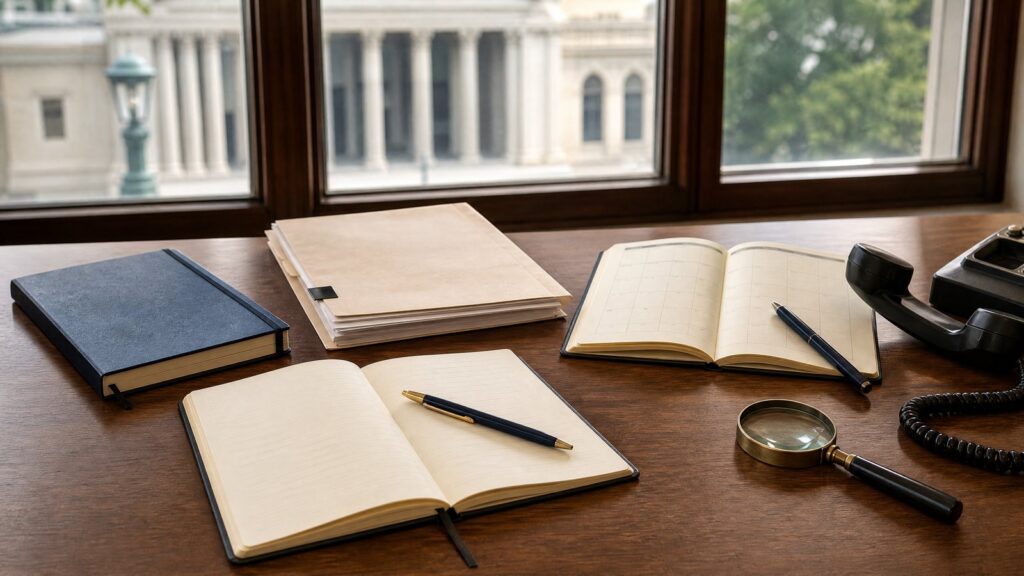
    Open notebooks, a closed journal, paper folders, pens, a magnifying glass and a landline phone on a wooden desk by a window.
    A desk with notebooks, folders, a magnifying glass and a telephone evokes themes of information handling, recordkeeping and legal limits.

    Sources

    Related reading: source protection and transparent legal journalism.
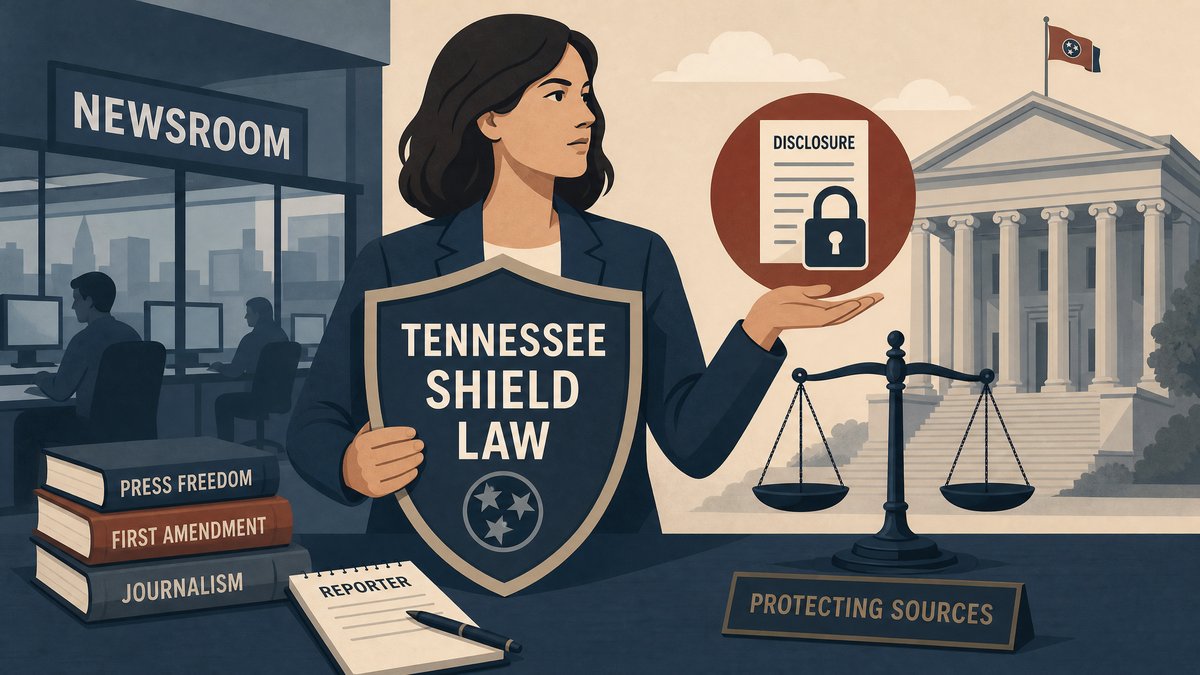
  • Corrections, Source Protection, and Transparent Legal Journalism

    Corrections, Source Protection, and Transparent Legal Journalism

    Corrections, Source Protection, and Transparent Legal Journalism

    Legal reporting influences public understanding of courts, government, and individual cases. That makes accuracy, transparent sourcing, and a meaningful corrections practice essential. These principles do not turn a newsroom into a court, and they do not replace legal representation; they help readers understand what is known, what is alleged, and what remains unresolved.

    Corrections Are Part of Accuracy

    Even careful reporting can contain mistakes. In legal journalism, a misspelled name, misstated hearing date, or imprecise description of an order can cause real confusion. A responsible correction should say what was wrong, provide the corrected information, and be placed where readers can find it. The Society of Professional Journalists’ Code of Ethics calls on journalists to acknowledge mistakes and correct them promptly and prominently.

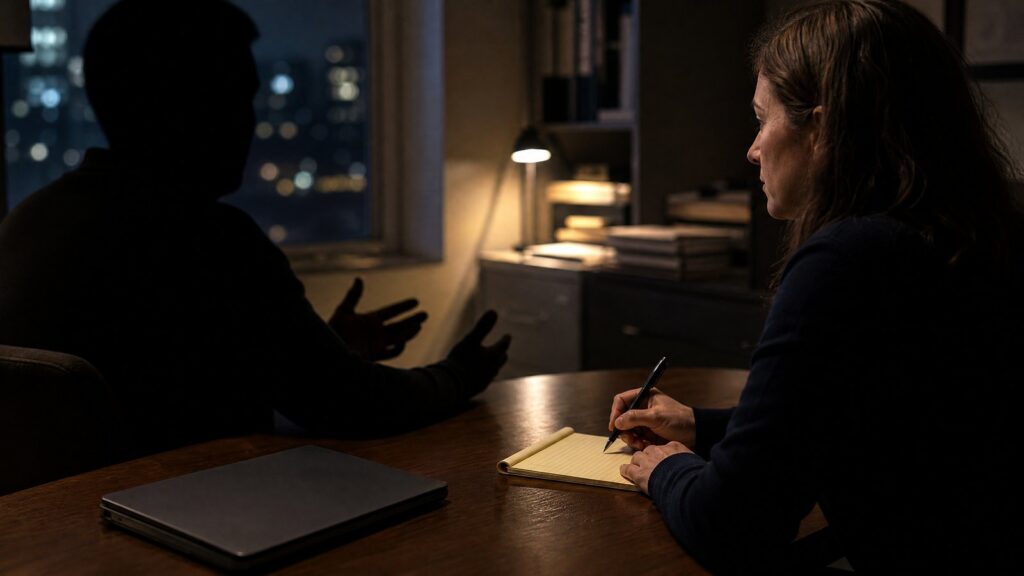
    Woman writing on a yellow notepad at a wooden table while a silhouetted person gestures across from her; closed laptop and lamp in a dim room.
    A person taking notes while another remains silhouetted in a dimly lit room, evoking the balance between source protection and transparency in journalism.

    A correction policy should distinguish between a factual correction, a clarification, and a post-publication update. It should preserve the original publication date, identify the date of the change when material, and avoid quietly rewriting an article in a way that obscures the public record.

    Source Protection and Tennessee Law

    Source protection is a core issue in investigative reporting, especially where individuals may fear retaliation for providing information. Tennessee’s reporter shield statute, Tenn. Code Ann. § 24-1-208, provides significant protection for persons engaged in gathering information for publication or broadcast. The law covers sources and certain information gathered for publication, but it has limits and exceptions. Whether the statute applies in a specific dispute depends on the facts and procedural setting.

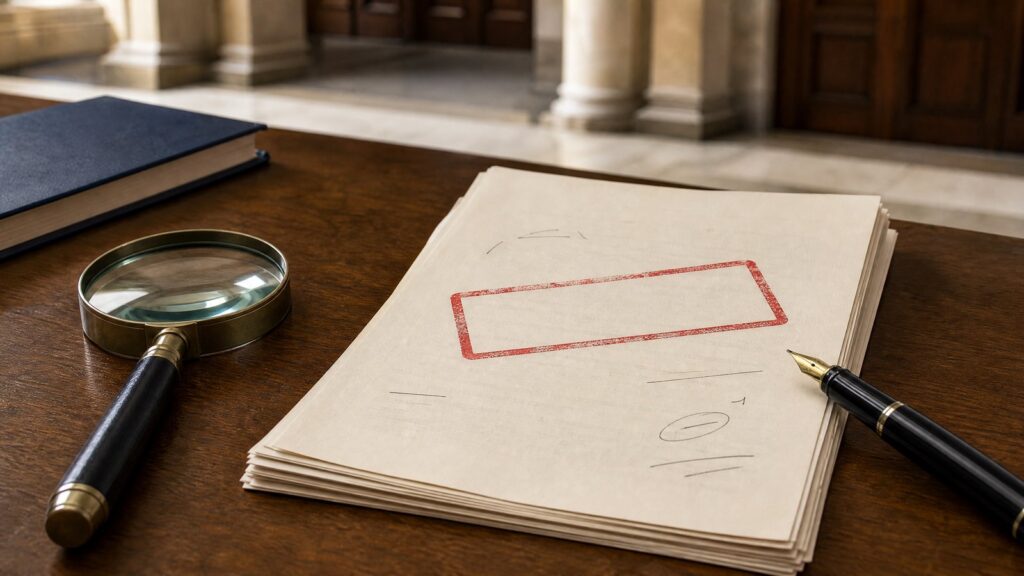
    Stack of papers with a red rectangular stamp, a magnifying glass, a black fountain pen and a closed book on a wooden desk, columns blurred behind
    A stack of stamped documents, a magnifying glass and a pen evoke editorial review and careful scrutiny relevant to corrections and source protection.

    For that reason, a newsroom should never promise absolute confidentiality casually. Before offering confidential treatment, it should understand what information it can responsibly protect, how it will store material, and when legal counsel may be necessary. Confidential sources should be used only when the public-interest value and the need for anonymity are clear.

    Transparency in Legal Reporting

    Transparency begins with attribution. Readers should be able to see whether a factual statement comes from a complaint, court order, transcript, public-record request, interview, or another source. Articles should distinguish between allegations, evidence, findings, and final legal conclusions. A complaint may allege conduct; it does not itself prove it. A dismissal may resolve a claim; it does not necessarily establish every factual assertion made during the case.

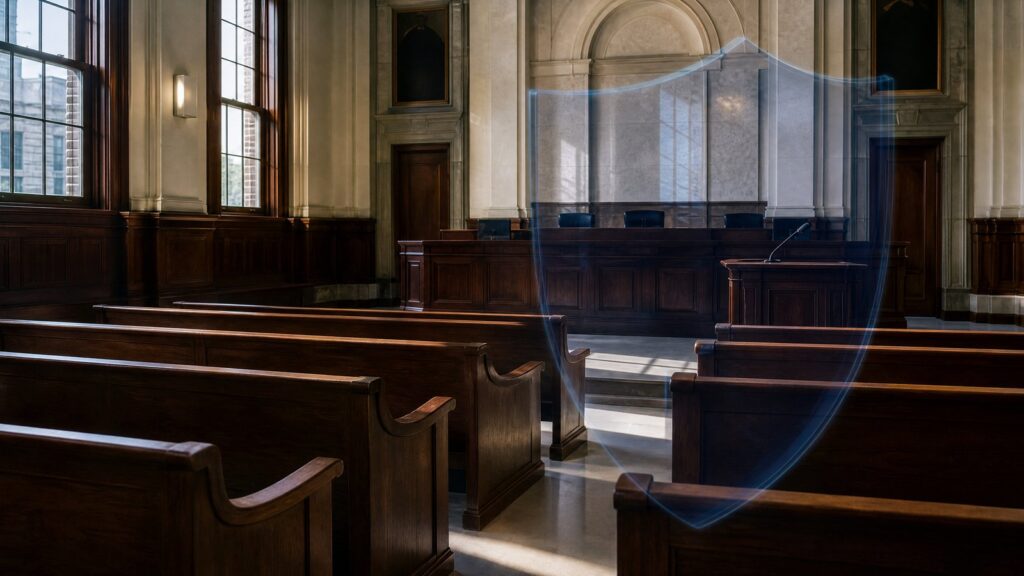
    Empty wood-paneled courtroom with rows of benches, raised bench and podium with microphone, tall windows, and a translucent shield-shaped graphic.
    A translucent shield graphic over an otherwise empty courtroom visually suggests themes of source protection, confidentiality, and legal transparency.

    Transparency also means explaining limits. Courts may seal records, restrict access to particular proceedings, or leave parts of a dispute unresolved. When reporting relies on anonymous sources, the story should describe why anonymity was granted without revealing the source’s identity. When a person or institution is the subject of material criticism, a newsroom should seek and fairly describe an opportunity to respond.

    A Practical Editorial Checklist

    • Link to or identify the primary court record whenever possible.
    • Use precise attribution, especially for allegations and procedural filings.
    • Correct material errors clearly and promptly.
    • State what remains unknown or unverified.
    • Explain why an anonymous source was necessary, if one is used.
    • Keep editorial independence separate from sponsorship, advocacy, or personal interests.

    These practices make legal journalism more useful and more fair. They also help readers evaluate reporting on its evidence rather than on rhetoric alone.

    Disclaimer

    This article provides general information about legal journalism practices and is not legal advice. It does not evaluate a particular dispute or create an attorney-client relationship.

    Person's hands typing on a laptop at a wooden desk with an open notebook, magnifying glass, checklist pad and desk lamp.
    Staged editorial workspace illustrating tools for drafting disclosure checklists and organizing notes about source protection and ethics.

    Sources

    Related reading: Tennessee reporter shield law.