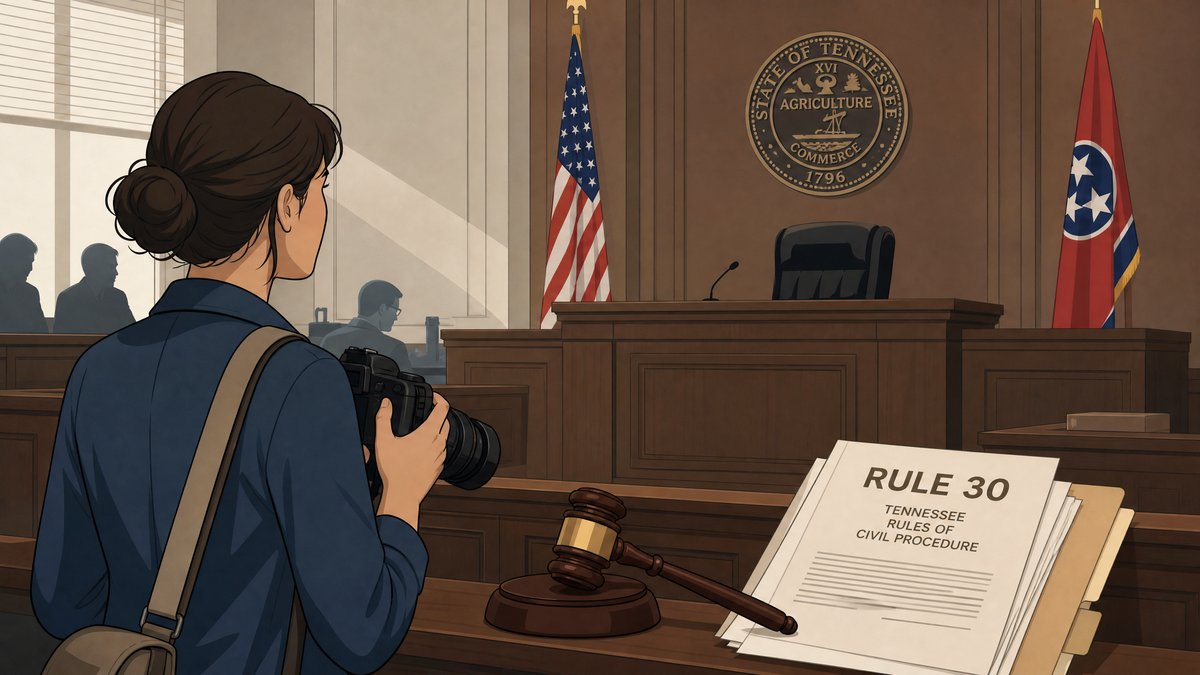
Public access to court proceedings is an important part of public confidence in the justice system. But attending an open proceeding and recording or broadcasting it are not the same thing. In Tennessee, Supreme Court Rule 30 governs media coverage of public judicial proceedings and sets a framework for when cameras, audio equipment, and other recording tools may be used.
What Rule 30 covers
Rule 30 addresses media coverage in Tennessee courts. It applies to coverage using television, radio, photographic, or recording equipment in public judicial proceedings. The rule aims to accommodate public information interests while protecting the court’s ability to control proceedings, preserve decorum, maintain safety, and ensure fair administration of justice.
A proceeding may include a trial, hearing, motion, appellate argument, or other matter held in open court that the public is entitled to attend. That does not create an unconditional right to record. The presiding judge retains authority over the courtroom and may impose limits consistent with the rule.
Planning a coverage request
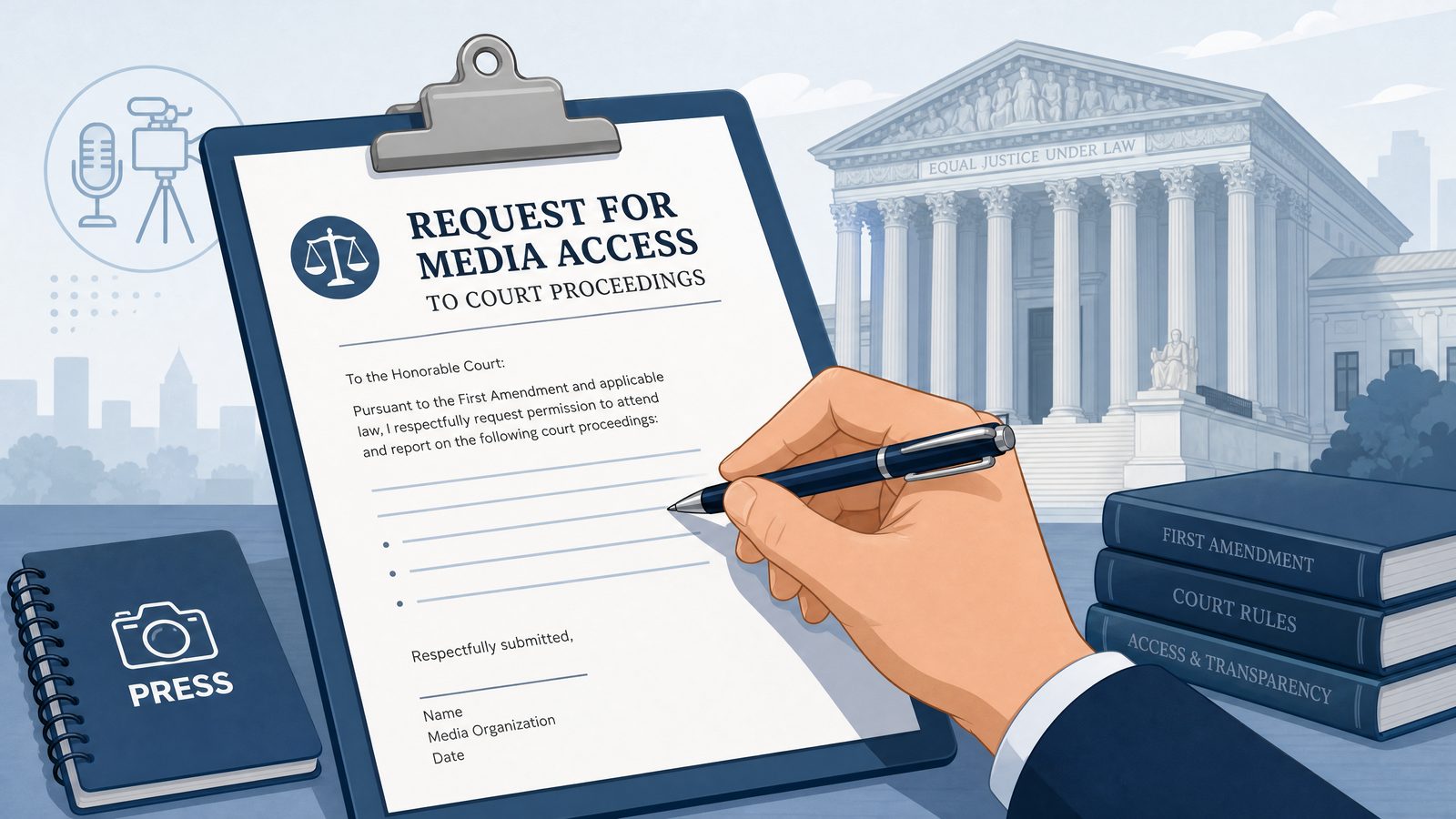
Rule 30 provides a formal request process. A written request for media coverage is ordinarily submitted to the presiding judge at least two business days before the scheduled proceeding, although the judge may waive that deadline. The clerk generally notifies the attorneys of record after a request is received. A newsroom should check the court’s current practices and any local procedures rather than assume that a single form or contact will work everywhere.
A clear request should identify the proceeding, date and time, type of coverage sought, outlet or project, and a contact person. Coverage teams should arrive prepared to follow equipment, placement, and pooling rules. The purpose is not merely administrative: orderly planning helps reduce disruption for parties, witnesses, jurors, court staff, and the public.
Important limits
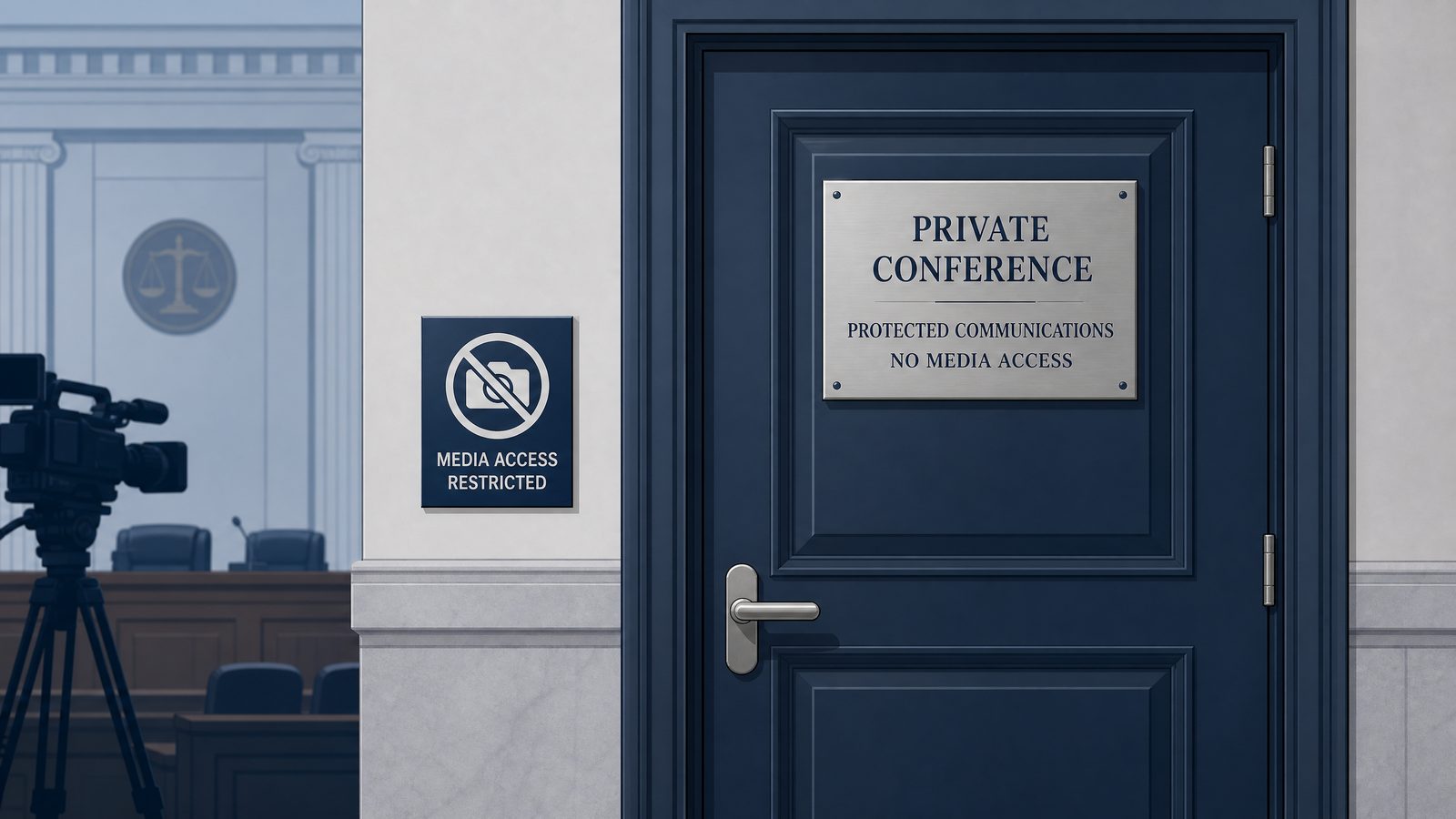
Rule 30 identifies situations in which coverage is restricted or prohibited. Media may not cover a proceeding that is closed to the public. The rule also bars coverage of jury selection and jurors during the proceeding. It protects certain private communications: there may be no audio pickup, recording, broadcast, or close-up video of conferences between attorneys and clients, co-counsel, counsel and the judge at the bench or in chambers, or judges in appellate proceedings.
The rule also includes special protections for minors and juvenile-court proceedings. Coverage of a minor witness, party, or victim is prohibited except as specified by the rule. In juvenile proceedings, notice and objection provisions can affect whether and how coverage may occur. Those safeguards reflect the additional privacy and fairness concerns that can arise when children and juvenile matters are involved.
Judicial discretion and written findings
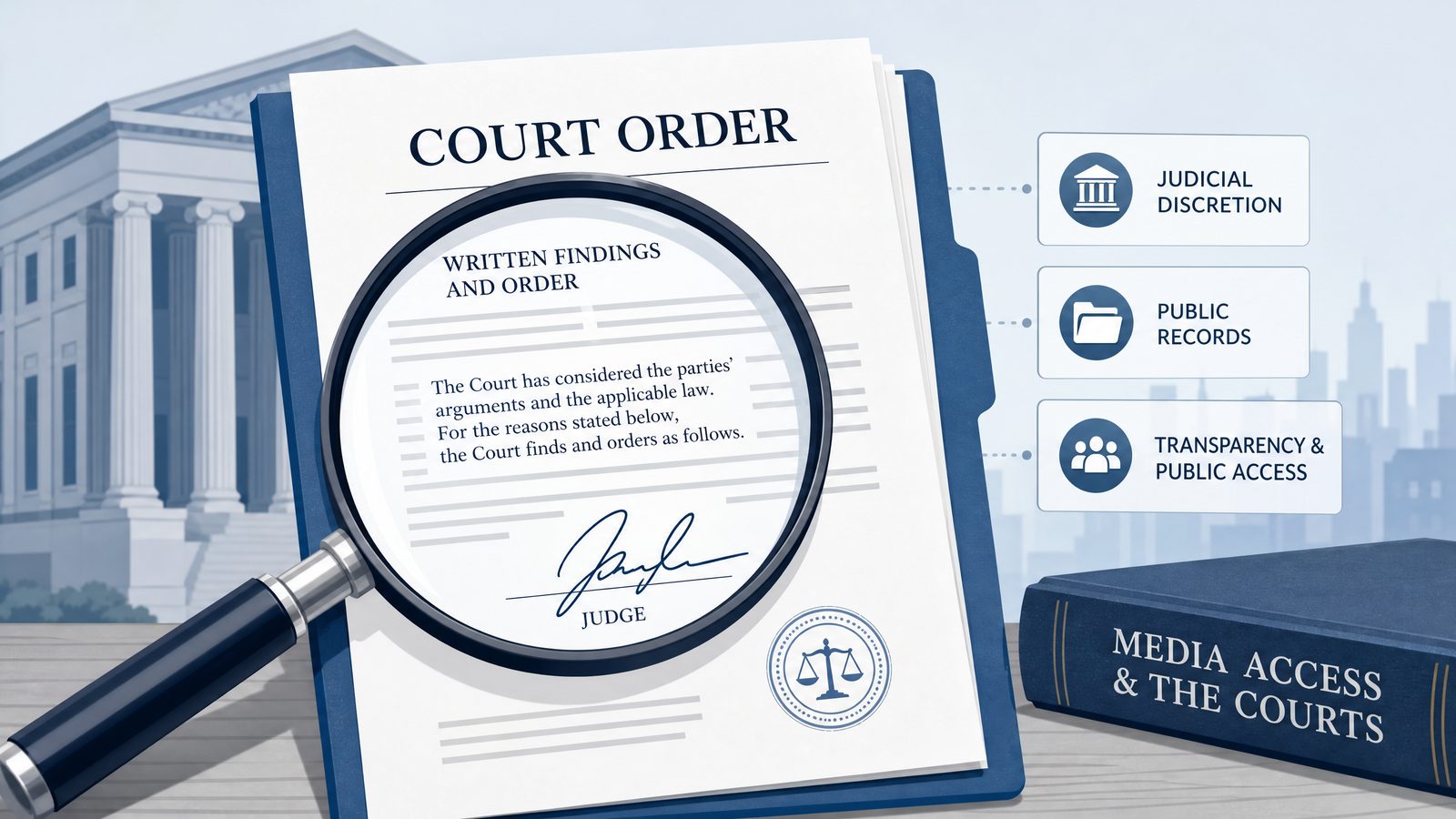
A judge may refuse, limit, terminate, or temporarily suspend coverage when necessary to control the proceeding, preserve decorum, protect safety, or ensure fair administration of justice. Rule 30 generally calls for an evidentiary hearing before coverage is denied or limited when one can be held without delaying or disrupting the proceeding. The party seeking a restriction bears the burden, and the court’s action must be supported by substantial evidence and written findings.
For the public, this means court-access questions are document questions. If coverage is restricted, the request, objections, hearing record, and order may explain what happened. Reporting should distinguish between an open courtroom, a permitted recording request, and an actual authorization to cover the proceeding.
Practical newsroom standard
The strongest court reporting is accurate, minimally disruptive, and transparent about its sources. Verify the status of the proceeding, follow the court’s instructions, protect minors and private communications, and link to the orders or public filings that support a story. Court-access rules make room for accountability reporting—but they also impose obligations on those who do it.
Primary source
Tennessee Supreme Court Rule 30: Media Guidelines.
Editorial note: This article provides general information about Rule 30. It is not legal advice or a substitute for the court’s current rules, orders, or directions in a particular case.
Related reading: public access to Tennessee appellate arguments and opinions.