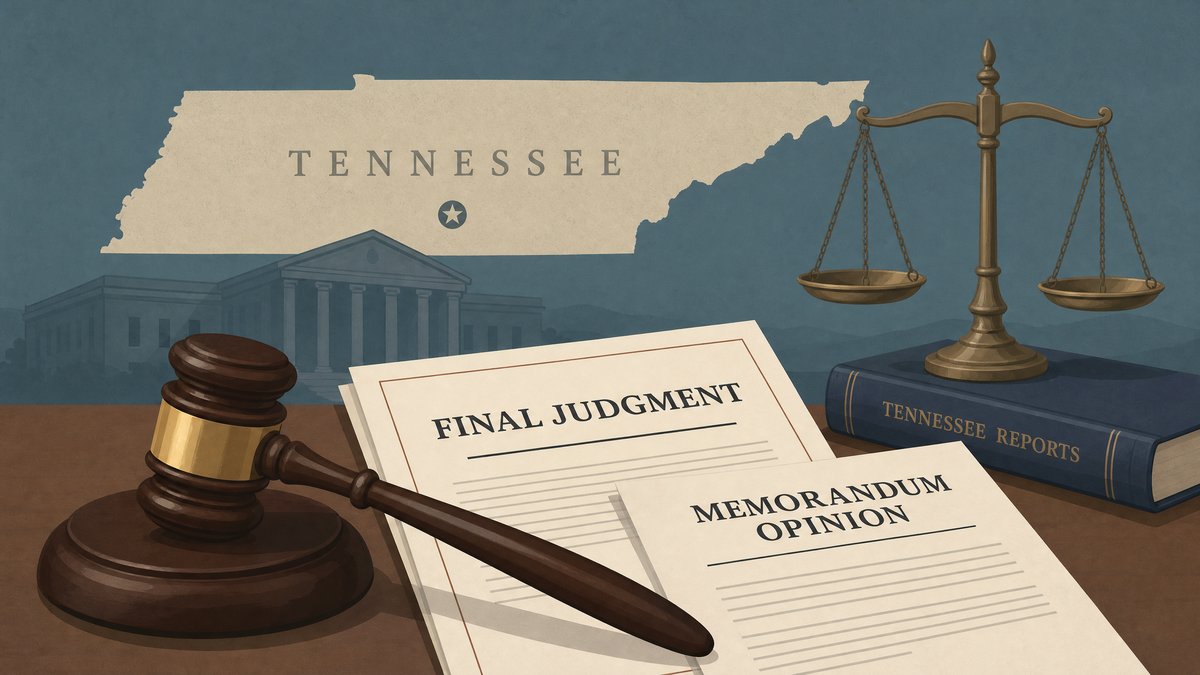
How to Read a Judicial Order Without Overstating What It Decides
A court order is an official act of the court, but its meaning depends on its wording, procedural posture, and scope. A careful reader does more than scan the result line. The goal is to identify what motion was decided, what standard the court applied, which issues remain unresolved, and whether the order makes factual findings or only addresses procedure.
Start With the Caption and the Motion
The caption identifies the court, case number, and parties. The first paragraphs often identify the motion before the court: a motion to dismiss, summary-judgment motion, discovery motion, request for a protective order, or a request to seal. That distinction is essential. An order denying a motion to dismiss, for example, may mean only that the claim can proceed at that stage. It does not necessarily decide that the allegations are true.

Similarly, a discovery order may require documents to be produced or may limit a subpoena. It is not usually a final decision about liability. Accurate coverage should name the precise motion and avoid substituting broader conclusions for the order’s actual result.
Identify the Standard the Court Applied
Orders often cite a legal standard. A court considering a motion to dismiss generally evaluates whether a pleading states a legally sufficient claim under the applicable rule; the court may accept certain well-pleaded allegations for that limited procedural purpose. A court considering summary judgment applies a different standard and may consider a record of affidavits, depositions, admissions, or other evidence. The standard tells readers what the order did—and what it did not do.
Separate Findings, Allegations, and Arguments
An order can describe allegations made by a party, arguments advanced by counsel, and findings made by the judge. Those categories should not be blurred. Look for language such as “the plaintiff alleges,” “the defendant argues,” “the court finds,” or “the record shows.” A judge’s quotation of an allegation is not necessarily an endorsement of it. A decision resolving a motion may also leave important factual disputes for a later hearing or trial.
Read the Disposition Carefully
The final section normally states what the court ordered: granted, denied, granted in part, dismissed with prejudice, dismissed without prejudice, stayed, remanded, or continued. Each phrase has consequences that vary by context. If the order dismisses only one count, one party, or one motion, the case may continue on other issues. If the order says it is not final, or if it directs further proceedings, that is a signal not to report the case as over.

A Reliable Reporting Method
- Link to the public order or quote the relevant passage exactly.
- State what motion was decided before describing the result.
- Use “alleged” for unproven factual claims and identify the speaker or filing.
- Check the docket for later orders, notices of appeal, or amended filings.
- Ask counsel or the court’s public-information office for clarification when appropriate, while making clear that their explanation does not replace the document.
Why Precision Matters
Judicial orders can affect people, institutions, and public confidence in the courts. Overstating an order can create a false impression that a court resolved facts it did not reach. Precise, document-led reporting better serves readers and reduces the risk of turning a procedural event into a misleading claim about guilt, liability, or credibility.
This article is general information about reading public court orders and is not legal advice. Individual orders should be interpreted in their procedural and factual context.

Related reading: holding, dicta, and procedural posture.
Official Tennessee Court Resources
For source material relevant to the procedural questions discussed above, consult the governing rule and the record in the particular case:
- Tennessee Rule of Civil Procedure 58: Entry of Judgment — explains when a court order or judgment becomes effective.
- Tennessee Rules of Civil Procedure — consult the governing rule for the motion or procedural issue at hand.
- Tennessee Rules of Appellate Procedure — a resource for assessing appellate procedure and review.